
If you've been searching for an air fryer fish taco recipe that actually delivers crispy, restaurant-quality results without the mess of deep frying, you're in the right place. The air fryer circulates superheated air around the fish at 400°F, creating a golden crust in 8 to 12 minutes with just a fraction of the oil. You get flaky, moist fish inside and a crunchy exterior that holds up under toppings, all without heating a pot of oil or dealing with lingering fry smell in your kitchen.
In our research, aggregate user reviews across major air fryer brands consistently report that fish tacos rank among the top five most-cooked recipes in the appliance. The USDA recommends cooking fish to an internal temperature of 145°F for food safety, and the air fryer's rapid convection makes hitting that target predictable and repeatable. Whether you're cooking for Taco Tuesday or a quick weeknight dinner, this recipe scales easily for two people or a family of six.
Let's break down every piece of the process so you nail it the first time.
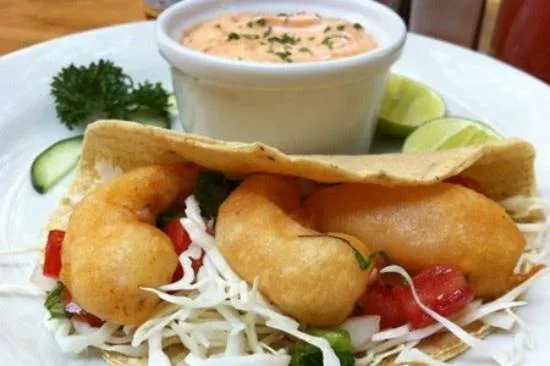
Image source: Wikimedia Commons / Jmao13 (CC BY-SA)
Quick Answer
An air fryer fish taco recipe uses convection heat at 400°F to crisp coated white fish in 8 to 12 minutes. Cod, mahi-mahi, and tilapia are the best fish choices because they hold together during cooking. A light coating of panko or beer batter gives the crunchiest results.
Serve on warmed corn tortillas with cabbage slaw, cilantro lime crema, and a squeeze of lime.
Why Air Fryer Fish Tacos Are the Weeknight Dinner You've Been Missing
Air fryer fish tacos solve the biggest problem with the deep-fried version: the hassle. No vat of oil to heat, monitor, and dispose of. No splatter on the stovetop.
No lingering smell in your curtains the next morning. The air fryer does the work in a compact basket with a light spritz of oil, and cleanup takes about two minutes.
The numbers back it up. A typical deep-fried fish taco runs 400 to 550 calories. The air fryer version comes in around 250 to 350 calories per taco, depending on your toppings.
That's roughly 40 to 50 percent less fat without sacrificing the crunch that makes a fish taco worth eating. For anyone watching their intake or cooking for kids, that gap matters.
Speed is the other win. From prep to plate, you're looking at 20 to 30 minutes total. The air fryer preheats in 3 minutes.
The fish cooks in a single batch for most households. While it's in the basket, you're warming tortillas and tossing together a quick slaw. Everything comes together at the same time.
If you already own an air fryer, you know it's one of the most versatile tools in the kitchen. Fish tacos are where it really shines. The circulating hot air hits every side of the fish evenly, which means you get consistent browning without flipping more than once.
The result tastes like something you'd order at a beachside taco stand in Ensenada, where the Baja fish taco tradition started. If you're working with a larger air fryer, something like a 9 qt model for big families, you can cook the full batch in one go without crowding the basket.
What Makes a Great Fish Taco (It's Not Just the Fish)
A great fish taco is a balance of four elements: the fish, the coating, the tortilla, and the toppings. Miss one and the whole thing falls flat. Get all four right and it's one of the best casual meals you can make at home.
The fish needs to be mild, flaky, and firm enough to hold its shape when you bite through it. It should taste clean, not fishy. The coating adds texture and flavor.
The tortilla is the vehicle, and it needs to be pliable enough to fold without cracking. The toppings bring freshness, acidity, and creaminess that cut through the richness of the fried coating.
Here's what each component contributes:
| Component | Role | What to Look For |
|---|---|---|
| Fish | Protein base, mild flavor | Firm white fish, 1-inch thick, no strong odor |
| Coating | Crunch and flavor | Crisp golden shell, adheres well, not greasy |
| Tortilla | Structure, subtle corn flavor | Warm, pliable, slightly charred edges |
| Toppings | Freshness, acid, cream | Bright lime, crunchy cabbage, cool crema |
The mistake most home cooks make is focusing entirely on the fish and treating everything else as an afterthought. A perfectly cooked piece of cod on a cold, stale tortilla with no sauce is a disappointment. Budget your prep time so the toppings and tortillas get the same attention as the protein.
Think of it like building a sandwich. The filling matters, but the bread and condiments are what make it craveable. In a fish taco, the crema and slaw are your condiments.
They add moisture, tang, and crunch that keep every bite interesting. A drizzle of air fryer-friendly sauce technique applies here too: make your crema ahead and let the flavors meld in the fridge while you cook.
Best Fish for Air Fryer Fish Tacos: What Actually Works
Not all fish survive the air fryer. Delicate species fall apart. Oily fish can overwhelm the coating.
The ideal candidate is a mild, firm-flesh white fish with enough structure to handle convection heat without flaking into the basket.
Cod is the most popular choice and for good reason. It's widely available, affordable, and has a clean, mild flavor that takes well to seasoning. A 1-inch cod fillet holds together beautifully in the air fryer and flakes into large, satisfying pieces when done.
It's the benchmark against which other options should be measured.
Mahi-mahi is the upgrade pick. It's firmer than cod with a slightly meatier texture, almost like chicken. It holds coatings exceptionally well and doesn't overcook as fast.
The tradeoff is price: mahi-mahi typically costs 30 to 50 percent more than cod per pound. If you're making tacos for a special occasion, it's worth the splurge.
Tilapia is the budget option. It's the mildest of the three and the most widely available frozen. The downside is that tilapia fillets are often thinner, sometimes only half an inch, which means they cook faster and can dry out if you're not watching the clock.
Reduce cook time by 2 to 3 minutes if your fillets are on the thin side.
Halibut is excellent but expensive. It's thick, firm, and has a sweet, clean taste. If you find it on sale, grab it.
Cut it into taco-sized portions about 2 to 3 inches wide so it cooks evenly.
Pacific rockfish (also sold as Pacific snapper) is a solid regional option, especially on the West Coast. It has a similar texture to cod and is often more sustainable. The Monterey Bay Aquarium Seafood Watch program rates several rockfish species as a "Best Choice" for sustainable seafood.
Here's a quick comparison:
| Fish | Texture | Flavor | Price Range | Best For |
|---|---|---|---|---|
| Cod | Flaky, tender | Mild | $ | Everyday cooking |
| Mahi-mahi | Firm, meaty | Mild-sweet | $$$ | Special occasions |
| Tilapia | Soft, delicate | Very mild | $ | Budget meals |
| Halibut | Thick, firm | Sweet, clean | $$$$ | When on sale |
| Pacific rockfish | Flaky, medium firm | Mild | $$ | Sustainable choice |
Whatever you buy, pat the fillets completely dry with paper towels before seasoning. Moisture is the enemy of a crispy coating. If you're using frozen fish, thaw it overnight in the refrigerator or under cold running water for 15 to 20 minutes.
Never cook fish straight from frozen in the air fryer. The exterior will overcook while the center stays cold and rubbery.
Image source: Bing (Web (fair-use with source credit))
The Coating Decision: Beer Batter, Panko, or Cornmeal Crust
The coating is where you get to put your stamp on the recipe. Each style produces a different texture and flavor, and none is wrong. It comes down to what you like and how much effort you want to put in.
Beer batter is the classic Baja choice. It's a simple mix of flour, beer, and a pinch of salt that creates a light, lumpy, wispy crust when it hits hot air. The carbonation in the beer introduces tiny air pockets that puff up during cooking, giving you that signature craggy, golden exterior.
The key is to keep the batter lumpy. Overmixing develops gluten and turns it gummy. A few small lumps are exactly what you want.
A basic beer batter ratio is 1 cup all-purpose flour to 1 cup beer, plus half a teaspoon of salt and a quarter teaspoon of baking powder. Use a light lager or pilsner. Dark beers can make the batter bitter.
The batter should coat the back of a spoon but still drip off easily. If it's too thick, add a splash more beer.
Panko breadcrumbs are the easiest option and produce the crunchiest result. Panko is a Japanese-style breadcrumb that's lighter and airier than standard breadcrumbs. It stays crispy longer, which matters when you're piling on wet toppings like salsa and crema.
Set up a simple dredging station: seasoned flour, then beaten egg, then panko. Press the panko firmly onto the fish so it adheres. A light spray of oil on both sides before it goes in the air fryer helps it turn deep golden.
Cornmeal crust sits between the two. It gives a slightly gritty, Southern-fried texture with a subtle corn flavor that pairs naturally with corn tortillas. Mix equal parts cornmeal and flour, season with salt, pepper, and a pinch of cayenne, then dredge the fish as you would for panko.
It's less crunchy than breadcrumbs but has more character than plain flour.
Here's how the three compare:
| Coating | Texture | Effort Level | Flavor Profile |
|---|---|---|---|
| Beer batter | Light, craggy, wispy | Medium | Malty, traditional Baja |
| Panko breadcrumbs | Extra crunchy, even | Low | Neutral, lets fish shine |
| Cornmeal crust | Gritty, rustic | Low | Corn-forward, Southern |
If you're cooking for kids or picky eaters, panko is the safest bet. It's familiar, universally liked, and hard to mess up. If you want the full Baja experience, go with beer batter.
It takes an extra five minutes to mix but the result is noticeably different and better.
One tip that applies to all three: season your coating, not just the fish. Salt and pepper in the flour or batter makes a dramatic difference. Add garlic powder, smoked paprika, or a squeeze of lime zest to match the flavor profile you're going for.
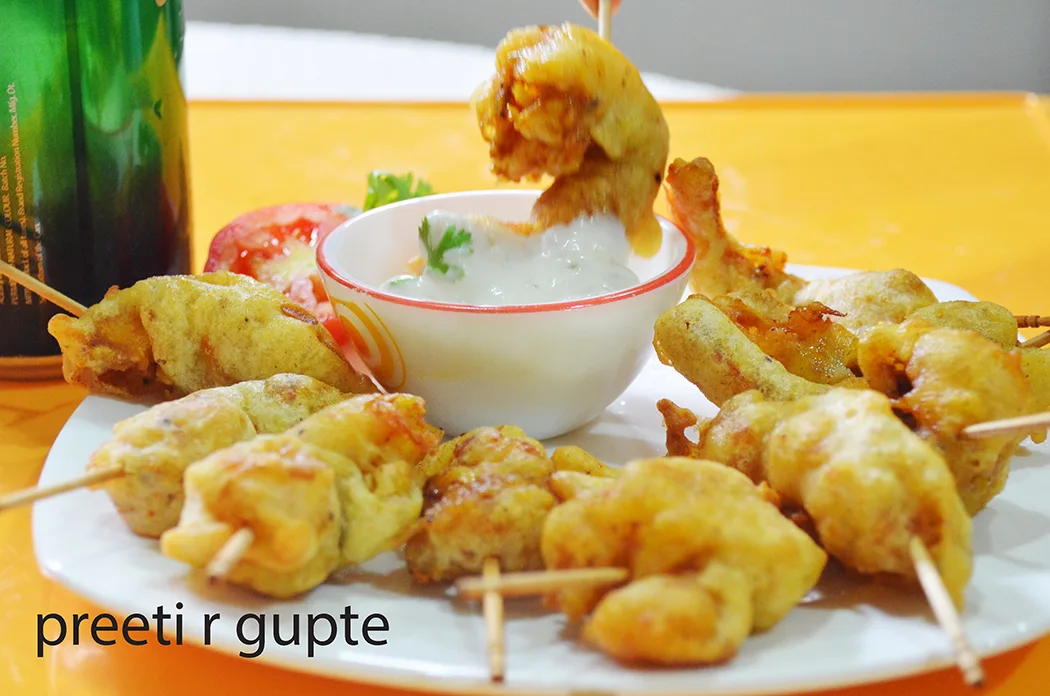
Image source: Wikimedia Commons / Preeti gupte rajesh (CC BY-SA)
Step-by-Step: Air Fryer Fish Taco Recipe
This recipe makes 8 tacos and serves 2 to 4 people. Total time is about 25 minutes, including prep. Start with the sauce and slaw first so they're ready when the fish comes out of the basket.
Ingredients:
For the fish:
- 1 lb white fish fillets (cod, mahi-mahi, or tilapia)
- 1 cup all-purpose flour
- 1 cup light beer (or 1 cup panko for breadcrumb version)
- 1 tsp salt
- 1/2 tsp black pepper
- 1/2 tsp garlic powder
- 1/4 tsp baking powder (batter version only)
- Avocado oil or olive oil spray
For the cilantro lime crema:
- 1/2 cup sour cream or Mexican crema
- 1/4 cup fresh cilantro, chopped
- 1 tbsp fresh lime juice
- 1 small garlic clove, minced
- Pinch of salt
For the slaw:
- 2 cups shredded green cabbage
- 1 tbsp lime juice
- 1 tbsp olive oil
- Pinch of salt
For serving:
- 8 street-size corn tortillas
- 1 avocado, sliced
- Lime wedges
- Hot sauce or salsa (optional)
Steps:
Make the crema. Stir together the sour cream, cilantro, lime juice, garlic, and salt. Refrigerate until serving. It keeps well for 3 to 4 days, so you can make it the night before.
Toss the slaw. Combine the shredded cabbage, lime juice, olive oil, and salt in a bowl. Let it sit for 10 to 15 minutes. The cabbage softens slightly and absorbs the dressing.
Prep the fish. Pat the fillets completely dry with paper towels. Cut them into taco-sized pieces, roughly 2 to 3 inches wide. Season lightly with salt and pepper on both sides.
Set up your coating station. For beer batter, whisk together the flour, salt, pepper, garlic powder, baking powder, and beer until just combined. Lumps are fine. For panko, set up three shallow dishes: seasoned flour, beaten egg, and panko mixed with salt and garlic powder.
Coat the fish. Dip each piece into the batter or dredge through the flour-egg-panko sequence. Let excess drip off. Place coated pieces on a plate or wire rack.
Preheat the air fryer. Set it to 400°F and let it run for 3 minutes. Preheating matters. It ensures the coating starts crisping immediately instead of steaming.
Arrange fish in the basket. Place pieces in a single layer with space between them. Do not stack or overlap. Work in batches if needed. Spray lightly with oil on both sides.
Cook for 8 to 12 minutes. Flip once at the halfway mark. The fish is done when the coating is deep golden and the internal temperature reaches 145°F. Thicker fillets need the full 12 minutes. Thin tilapia pieces may be done in 7 to 8.
Warm the tortillas. While the fish rests for 1 minute, heat the tortillas. A dry cast-iron skillet over high heat for 30 to 60 seconds per side gives the best results. You want slight char spots and a pliable texture. Alternatively, wrap them in a damp paper towel and microwave for 30 seconds.
Assemble and serve. Layer each tortilla with slaw, a piece of fish, avocado slices, a drizzle of crema, and a squeeze of lime. Serve immediately while everything is warm.
The entire process moves fast once you start cooking. That's why prepping the toppings first is non-negotiable. If you're waiting on the crema while the fish sits in the basket, the fish will overcook.
Mise en place isn't just a chef thing. It's the difference between a great taco night and a stressful one.
If your air fryer has a smaller basket, you may need to cook the fish in two batches. Keep the first batch warm in a 200°F oven on a wire rack while the second batch cooks. This prevents the dreaded soggy-bottom situation that happens when you stack hot fish on a cold plate.
Image source: Bing (Web (fair-use with source credit))
How to Build Cilantro Lime Crema and the Best Toppings
The crema is what separates a good fish taco from a forgettable one. It adds fat, acid, and freshness in every bite. The base is simple: sour cream or Mexican crema, lime juice, cilantro, garlic, and salt.
That's it. Stir it together in under two minutes and refrigerate until you're ready to assemble.
Mexican crema is thinner and tangier than sour cream. If you can find it, use it. It drizzles better and has a more authentic flavor.
Sour cream works perfectly fine as a substitute. Just add an extra squeeze of lime to brighten it up.
For a chipotle variation, blend in one to two teaspoons of adobo sauce from a can of chipotle peppers. It adds smokiness and a gentle heat that pairs beautifully with mild white fish. You can also fold in a minced chipotle pepper itself if you want visible flecks and more kick.
Toppings that belong on a fish taco:
- Shredded green cabbage (not red, it bleeds color)
- Diced white onion, rinsed in cold water to sharp the bite
- Sliced avocado or a quick guacamole
- Pico de gallo or diced tomato with cilantro and lime
- Pickled red onions for extra tang
- Crumbled cotija cheese for a salty finish
- Fresh lime wedges, always
Toppings to skip:
- Lettuce (wilts instantly under hot fish)
- Sour cream straight from the bottle (make the crema instead)
- Shredded cheddar (wrong flavor profile entirely)
- Canned salsa (fresh takes the same amount of time and tastes ten times better)
The slaw deserves special attention. Toss it early so the salt draws out some moisture and the cabbage softens. You want it slightly wilted, not raw and squeaky.
A pinch of sugar in the dressing balances the lime's acidity if your limes are particularly tart.
Image source: Bing (Web (fair-use with source credit))
Air Fryer Settings, Timing, and Cook Temps That Won't Dry Out Your Fish
Temperature and timing are where most air fryer fish taco attempts go wrong. Too hot and the coating burns before the fish cooks through. Too cool and you get a pale, soggy crust with overcooked fish.
The sweet spot is 400°F for 8 to 12 minutes, depending on thickness.
The USDA Food Safety and Inspection Service recommends cooking fish to an internal temperature of 145°F. An instant-read thermometer is the most reliable way to check. Insert it into the thickest part of the fillet.
If you don't have a thermometer, the fish should flake easily with a fork and look opaque all the way through.
Key variables that affect cook time:
- Fillet thickness. A 1-inch cod piece takes about 10 minutes. A half-inch tilapia fillet takes 7 to 8. A 1.5-inch halibut steak may need 12 to 14.
- Air fryer wattage. Most models run between 1400W and 1800W. Higher wattage means faster cooking. If your air fryer runs hot, check the fish a minute early.
- Basket overcrowding. Fish pieces should not touch each other. Crowding traps steam and prevents browning. Cook in batches if necessary.
- Starting temperature. Room-temperature fish cooks more evenly. If your fillets are fridge-cold, add 1 to 2 minutes to the cook time.
The flip matters. Turn the fish once, at the halfway point. Use tongs, not a fork. A fork pierces the coating and lets moisture escape, which leads to a soggy spot.
Handle the fish gently and only flip once. Repeated flipping knocks off the coating.
If you're using a basket-style air fryer, give the basket a gentle shake at the flip to prevent sticking. Oven-style air fryers with flat trays are even easier since the fish sits on a perforated surface with airflow from all directions. If you're using a model like the Instant Vortex, the even heat distribution makes it especially forgiving for delicate fish fillets.
Image source: Bing (Web (fair-use with source credit))
How to Toast Corn Tortillas So They Don't Crack or Fall Apart
A cold, stiff corn tortilla will crack the moment you fold it. A properly warmed tortilla is pliable, slightly charred, and smells like toasted corn. Getting this right is arguably as important as the fish itself.
Best method: dry skillet. Heat a cast-iron or heavy-bottomed skillet over high heat for 2 minutes. Place the tortilla directly on the dry surface, no oil. Cook for 30 to 60 seconds per side until you see light char spots and the tortilla becomes flexible.
Stack warmed tortillas in a clean kitchen towel or tortilla warmer to trap steam and keep them soft.
Second best: open flame. If you have a gas burner, use tongs to hold the tortilla directly over the flame for 10 to 15 seconds per side. You'll get authentic char marks and a smoky flavor. This is the method most taco stands in Baja California use.
Quick fix: microwave. Wrap 4 to 6 tortillas in a damp paper towel and microwave for 30 seconds. They'll be warm and pliable but won't have any char or toasted flavor. It works in a pinch.
Double-stacking trick. Place two corn tortillas together for each taco. The extra layer prevents tearing when you bite through the fish and toppings. This is standard practice at most taquerias and it makes a noticeable difference.
Never microwave tortillas without the damp towel. They'll dry out, crack, and become inedible within seconds. And don't skip the warming step entirely.
A room-temperature tortilla straight from the package will ruin an otherwise perfect taco.
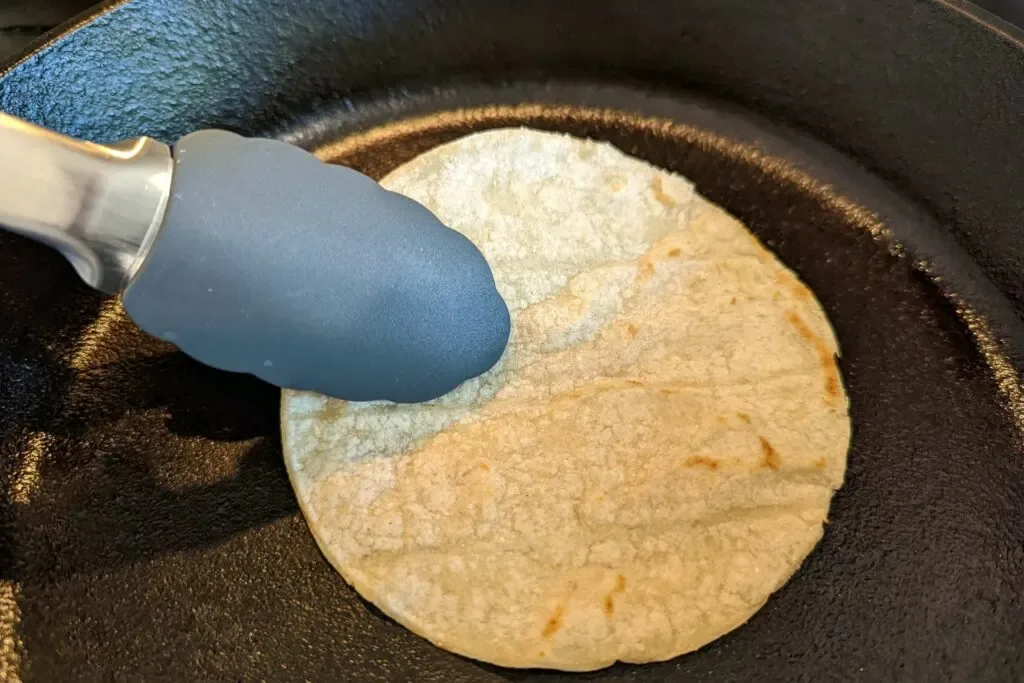
Image source: Bing (Web (fair-use with source credit))
Common Mistakes That Ruin Air Fryer Fish Tacos
Even a straightforward recipe can go sideways if you hit one of these pitfalls. Here are the most common errors and how to avoid them.
Overcrowding the basket. This is the number one mistake. When fish pieces are touching, steam gets trapped between them and the coating turns soggy instead of crispy. Leave at least half an inch of space around each piece.
If your basket is small, cook in two batches. It adds 10 minutes but the texture difference is dramatic.
Skipping the preheat. A cold air fryer basket means the fish sits in lukewarm air for the first few minutes. The coating steams instead of crisping. Always preheat for 3 minutes at 400°F before loading the fish.
Not drying the fish. Wet fish won't hold a coating. The batter or breadcrumbs slide right off. Pat every fillet thoroughly dry with paper towels before seasoning.
Spend an extra 60 seconds here and the coating will stick perfectly.
Overcooking. Fish goes from perfectly flaky to dry and rubbery in about 90 seconds at 400°F. Set a timer. Check at the 8-minute mark for thin fillets.
Pull the fish as soon as it hits 145°F internally. Carryover cooking will add another 2 to 3 degrees while it rests.
Using too much oil spray. A light mist is all you need. Drenching the fish in oil before it goes in the basket causes drips, smoke, and a greasy coating. One to two spritzes per side is enough.
The air fryer does the rest.
Forgetting to season the coating. Plain flour or unseasoned panko tastes like nothing. Add salt, pepper, and garlic powder to every layer: the flour, the batter, and the breadcrumbs. Seasoned fish with an unseasoned crust is a letdown.
Letting the fish sit too long after cooking. Air-fried fish is best eaten within 2 to 3 minutes of coming out of the basket. The coating starts to soften the moment it contacts moisture from the toppings. Assemble quickly and serve immediately.
Adapting the Recipe: Gluten-Free, Dairy-Free, and Swaps
This recipe adapts well to most dietary restrictions without sacrificing the core experience.
Gluten-free: Swap the all-purpose flour for a gluten-free all-purpose blend (Bob's Red Mill 1-to-1 works well). Use a certified gluten-free beer or substitute sparkling water for the batter. For panko, use gluten-free breadcrumbs or crush up gluten-free rice cereal for a similar crunch.
Check that your tortillas are certified GF if cross-contamination is a concern.
Dairy-free: Replace the sour cream in the crema with coconut cream or a dairy-free yogurt. Add extra lime juice to compensate for the missing tang. Skip the cotija cheese or use a dairy-free alternative.
The fish and coating are naturally dairy-free, so the only adjustments are in the toppings.
Low-carb: Skip the tortilla entirely and serve the fish over a bed of cabbage slaw in a bowl. You still get all the flavor and texture without the corn. Lettuce wraps are another option, though they're harder to eat neatly.
Spicy version: Add cayenne pepper or chipotle powder to the coating. Mix hot sauce into the crema. Top with pickled jalapeños or a habanero salsa.
The mild fish can handle a lot of heat without getting lost.
Kid-friendly: Use the panko coating (it's the most familiar texture), skip the hot sauce, and let kids build their own tacos with their favorite toppings. A build-your-own taco bar keeps everyone happy and makes weeknight dinners feel like an event.
How Air Fryer Fish Tacos Compare to Deep Fried, Grilled, and Oven Baked
Each cooking method produces a different result. Here's how they stack up for fish tacos specifically.
Air fryer vs. deep fryer. Deep frying at 350°F to 375°F in a full pot of oil gives the most traditional result: an evenly browned, shatteringly crisp crust. But it requires quarts of oil, careful temperature monitoring, and a serious cleanup. The air fryer gets you 85 to 90 percent of the way there with a teaspoon of oil and a 2-minute cleanup.
The crust is slightly less uniform but still genuinely crispy.
Air fryer vs. oven baking. Baking fish on a sheet pan at 425°F takes 15 to 20 minutes and produces a softer, less crispy coating. The air fryer's circulating hot air creates browning on all sides simultaneously, which an oven can't replicate. If you only have an oven, use the broiler for the last 2 minutes to add some color.
Air fryer vs. grilling. Grilling adds smoky char that the air fryer can't duplicate. It's the best method for mahi-mahi and other firm fish. But grilling requires outdoor equipment, preheating time, and more attention.
The air fryer wins on convenience and consistency, especially on weeknights or in apartments without outdoor space.
| Method | Crispiness | Oil Used | Cleanup | Best For |
|---|---|---|---|---|
| Air fryer | High | 1 tsp | 2 min | Weeknight convenience |
| Deep fryer | Highest | 2+ quarts | 15 min | Authentic Baja texture |
| Oven baked | Medium | 1 tbsp | 5 min | No air fryer available |
| Grilled | Medium-high | 1 tbsp | 10 min | Smoky flavor, outdoor cooking |
The air fryer's real advantage is the ratio of effort to result. You get a crispy, golden fish taco with minimal oil, minimal mess, and minimal active cooking time. For a busy household, that's the method that actually gets made on a Tuesday night.
Meal Prep, Leftovers, and Make-Ahead Strategy
Fish tacos aren't the most obvious meal prep candidate, but the components hold up well when stored separately.
Make ahead: The crema keeps for 3 to 4 days refrigerated. The slaw can be tossed 2 hours ahead and actually improves as it sits. Pico de gallo is best made fresh but holds for 24 hours in the fridge.
You can also season and cut the fish up to 12 hours ahead, stored covered in the refrigerator.
Cook day-of: The fish itself should be cooked fresh. Air-fried fish loses its crispness within 30 minutes as the coating absorbs moisture from the air. Plan to cook the fish while you warm the tortillas and set out the toppings.
Reheating leftovers: If you have leftover cooked fish, reheat it in the air fryer at 350°F for 3 to 4 minutes. This restores some of the crunch. Microwaving turns the coating rubbery and should be avoided.
Reheat only the fish, not the assembled taco.
Scaling up: For a crowd, double the recipe and cook in batches. Keep finished fish warm on a wire rack in a 200°F oven while subsequent batches cook. A standard 5 to 6 quart air fryer handles about 4 to 5 fillet pieces per batch.
Larger models, like a 9 qt air fryer for large batches, can handle nearly double that.
Taco bar setup: For parties, set out the fish, tortillas, slaw, crema, avocado, lime wedges, and hot sauce in separate bowls. Let everyone build their own. It's interactive, reduces plating work, and accommodates different preferences easily.
Frequently Asked Questions
Can I use frozen fish for air fryer fish tacos?
Thaw it first. Cooking fish straight from frozen in the air fryer causes the exterior coating to burn while the center stays raw and cold. Thaw fillets overnight in the refrigerator or under cold running water for 15 to 20 minutes.
Pat them completely dry before coating.
What temperature should I set the air fryer for fish tacos?
400°F is the sweet spot. It's hot enough to crisp the coating quickly without overcooking the fish. Cook for 8 to 12 minutes depending on fillet thickness, flipping once at the halfway mark.
The fish is done at an internal temperature of 145°F per USDA guidelines.
Why does my coating fall off in the air fryer?
The fish was too wet, the coating wasn't pressed on firmly enough, or the basket was overcrowded. Pat fillets bone-dry before dredging. Press panko or breadcrumbs firmly onto the fish.
Give each piece space in the basket so air can circulate and set the coating on all sides.
Are air fryer fish tacos healthy?
They're significantly lighter than the deep-fried version. Air fryer fish tacos run about 250 to 350 calories per taco versus 400 to 550 for deep-fried. You're using a teaspoon of oil instead of quarts.
The fish itself is lean protein, and the cabbage slaw and crema add minimal calories for maximum flavor.
Can I make these in an oven instead of an air fryer?
Yes. Place coated fish on a wire rack set over a sheet pan. Bake at 425°F for 15 to 20 minutes, flipping halfway.
The coating won't be quite as crispy since an oven doesn't circulate air the same way. Broil for the last 2 minutes to add color and crunch.
What's the best tortilla for fish tacos?
Street-size corn tortillas (4 to 4.5 inches) are the traditional Baja choice. They have a subtle corn flavor that complements the fish. Warm them on a dry skillet or over an open flame until pliable with slight char spots.
Double-stack them to prevent tearing when you bite in.