
If you've ever pulled out a turkey tenderloin and thought "I have no idea how to cook this without it turning into cardboard," you're not alone. A solid turkey tenderloin air fryer recipe solves that problem in under 20 minutes, giving you a juicy, golden-crusted result that's way more forgiving than the oven. The trick is knowing the right temperature, timing, and a few simple prep steps that make all the difference.
Turkey tenderloin is one of the leanest cuts you can buy, with almost zero fat to keep it moist during cooking. That means it goes from perfectly cooked to bone-dry in about two minutes, which is exactly why you need to nail the details before you start. Let's walk through everything that actually matters.
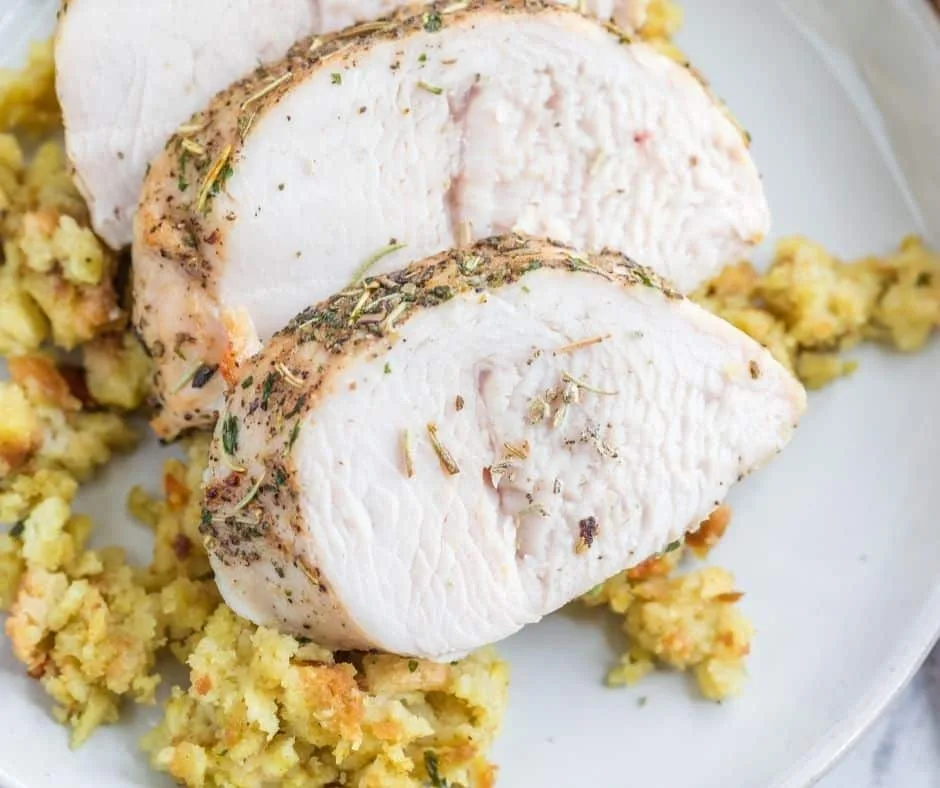
The Only Temperature and Timing You Actually Need
Cook turkey tenderloin at 375°F for 15 to 18 minutes, flipping once at the halfway mark. That's the sweet spot across most air fryer models in our research.
The USDA Food Safety and Inspection Service (FSIS) safe minimum internal temperature for all poultry, including turkey tenderloin, is 165°F. You'll want to pull the tenderloin from the air fryer when the thickest part reads 160°F on an instant-read thermometer. Carryover cooking during the resting phase closes that remaining 5-degree gap.
Here's the thing most recipes get wrong. They give you one cook time and act like every air fryer on the planet performs identically. They don't.
A 1400-watt Ninja Foodi runs noticeably hotter and faster than an 800-watt budget model. Basket airflow design matters too.
The non-negotiable numbers:
- Temperature: 375°F (190°C)
- Cook time: 15, 18 minutes, flip at 8 minutes
- Pull temp: 160°F (71°C)
- Rest time: 5 minutes minimum
- Target after rest: 165°F (74°C)
If your tenderloin is unusually thick, closer to 2 inches at the widest point, add 2 to 3 minutes. If it's a thin, tapered piece under an inch thick, start checking at 12 minutes. The tail end will always cook faster than the thick center, which is why flipping and checking the thickest section matters more than following a timer blindly.
Why Most Air Fryer Turkey Recipes Fail (And How to Fix It)
The number one complaint in aggregate user reviews is dry, stringy, overcooked turkey. The second most common issue is a bland, pale exterior that looks nothing like the photos. Both problems come down to the same root causes.
Turkey tenderloin has almost no intramuscular fat. Compare that to chicken thighs or even a ribeye steak, which have enough built-in fat to buffer against slight overcooking. Tenderloin doesn't have that safety net.
Every minute past its target window strips moisture you can't get back.
Here's what typically goes wrong and how to fix each issue:
Skipping the preheat. Air fryers heat up fast, but "fast" doesn't mean instant. Running a 3-to-5-minute preheat before the tenderloin goes in ensures the surface sears immediately rather than slowly drying out. If your model has a preheat function, use it.
If not, just let it run empty at 375°F for three minutes.
Not patting it dry. Surface moisture is the enemy of browning. Pat the tenderloin thoroughly with paper towels before seasoning. This single step makes a visible difference in how the exterior caramelizes.
Overcrowding the basket. Tempting as it is to cram two tenderloins in at once, they need at least half an inch of space on all sides for proper air circulation. Overcrowding traps steam and gives you pale, rubbery results. If you're cooking for the whole family, work in batches.
For larger households, a model like the Best 8 Qt Air Fryer With Dual Basket lets you cook both at once without sacrificing airflow.
Cooking straight from the fridge. Letting the tenderloin sit at room temperature for 15 to 20 minutes before cooking takes the chill off the center and promotes more even cooking throughout. This isn't a food safety issue for a cut this size, since the exterior reaches safe temperature well before the center does.
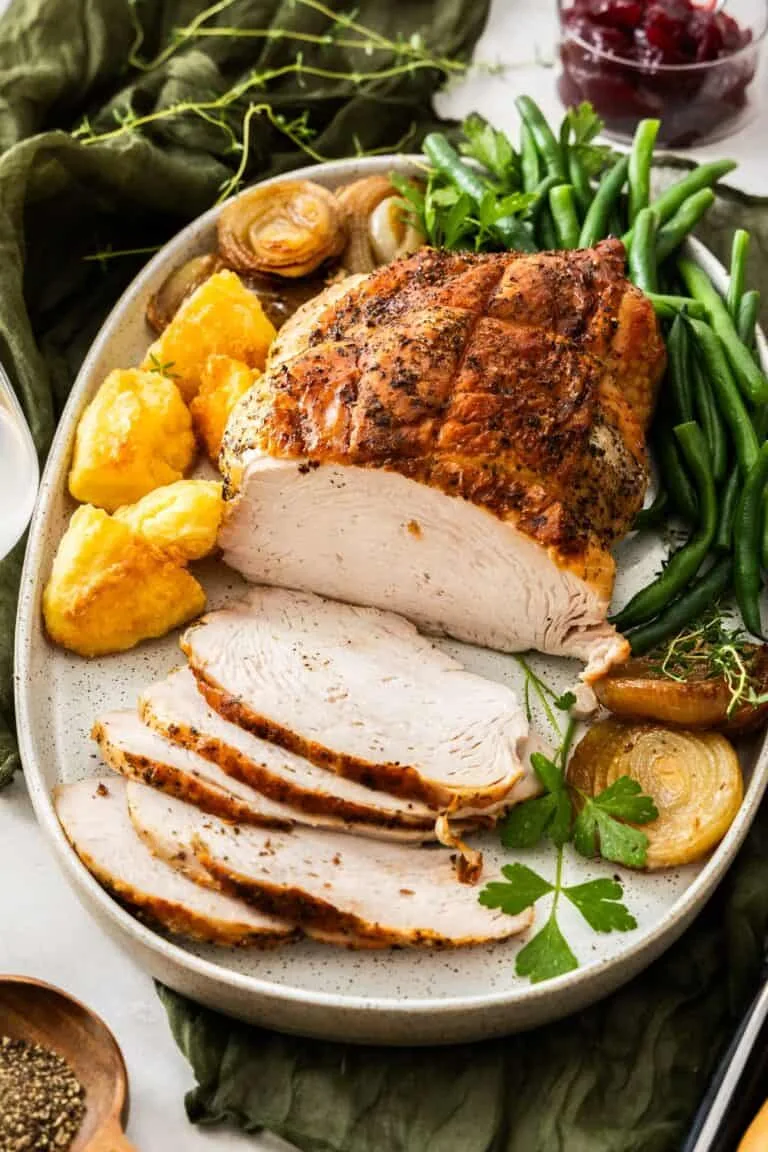
Step-by-Step: Turkey Tenderloin in the Air Fryer
This process works whether you're using a Ninja Foodi, a Cosori basket-style, or an oven-style air fryer. The principles stay the same regardless of brand.
Step 1: Pat it dry. Use paper towels to remove all visible surface moisture from the tenderloin. Don't skip this. Wet surface equals steamed meat.
Step 2: Season generously. Turkey tenderloin is lean and mild, so it needs more seasoning than you'd think. A basic mix of salt, pepper, garlic powder, paprika, and a pinch of dried thyme works beautifully. Rub it all over with about a teaspoon of olive oil first so the seasoning sticks.
Step 3: Preheat the air fryer. Set it to 375°F and let it run for 3 minutes. This ensures the cooking starts at full temperature the moment the tenderloin hits the basket.
Step 4: Place it in the basket. Lay the tenderloin in a single layer with space around all sides. Don't stack, don't overlap. If you're doing two, keep them separated.
Step 5: Cook 8 minutes, then flip. Use tongs to turn the tenderloin over. This promotes even browning on both sides and compensates for any hot spots in your specific air fryer.
Step 6: Cook another 7 to 10 minutes. Start checking temperature at the 15-minute mark. Insert an instant-read thermometer into the absolute thickest part. You're looking for 160°F.
Step 7: Rest before slicing. Transfer to a cutting board and let it sit for at least 5 minutes. The internal temperature will climb to 165°F during this time, and the juices will redistribute throughout the meat. Cutting too early means all that moisture ends up on your board instead of in the tenderloin.
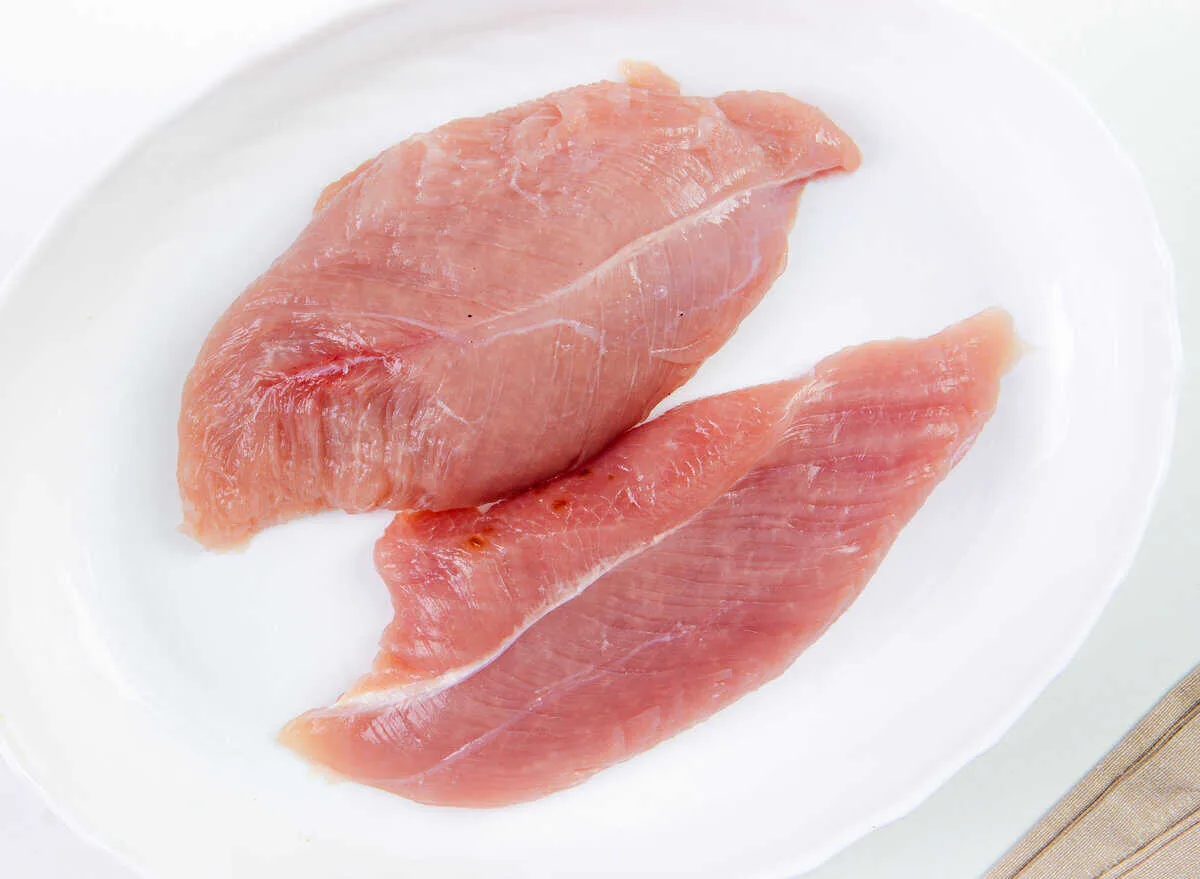
Pro tip: If you want a deeper golden crust, bump the temperature to 400°F for the final 2 minutes. Just watch it closely. That extra heat accelerates browning fast, and the window between "perfectly golden" and "burned" is about 90 seconds at that temperature.
How to Know When It's Actually Done (Don't Guess With Poultry)
Never rely on cook time alone for poultry. An instant-read meat thermometer is the single most important tool for this recipe. It costs about ten dollars and eliminates every bit of guesswork.
Insert the probe into the thickest section of the tenderloin, which is usually the first third of the piece. Avoid touching the basket or the bottom of the pan with the probe tip. You want the internal reading of the meat itself.
Pull at 160°F. Rest to 165°F. This is the method that consistently produces juicy results across verified buyer feedback and recipe testing data. Pulling at 165°F and then resting means you're actually serving turkey at 168°F or higher, which is where dryness starts creeping in.
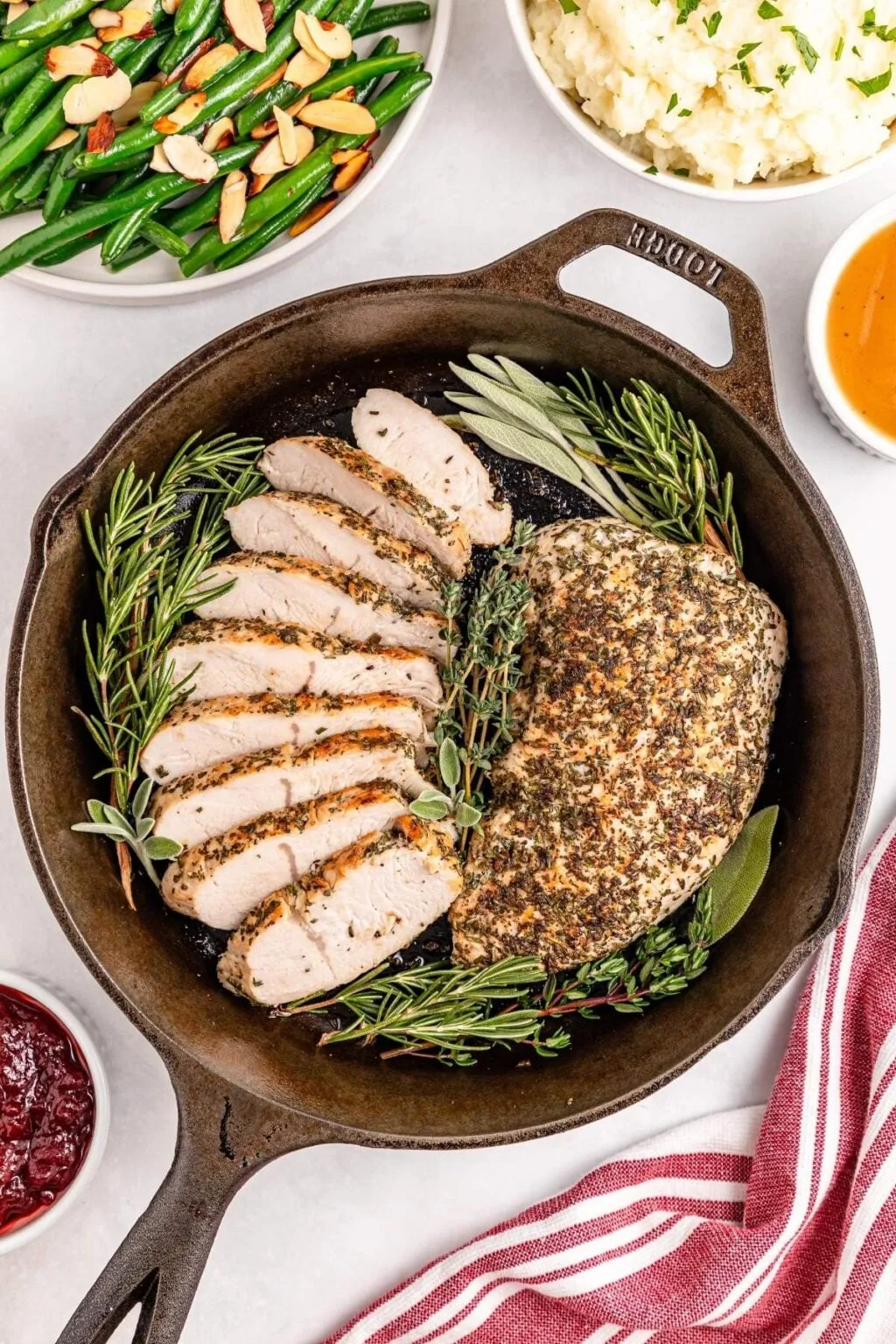
Here's a visual reference for what proper doneness looks like inside:
- 160°F (pull temp): Slightly pink center, very moist, juices run mostly clear with a hint of pink
- 165°F (after rest): White throughout with the faintest blush at the center, still moist, juices clear
- 170°F+ (overcooked): Fully white, firm to the touch, juices minimal, texture turning stringy
If you don't have a thermometer, you need to get one before cooking poultry. Seriously. The "cut it open and check" method lets juices escape and gives you an incomplete picture.
A probe thermometer takes three seconds and tells you exactly where you stand.
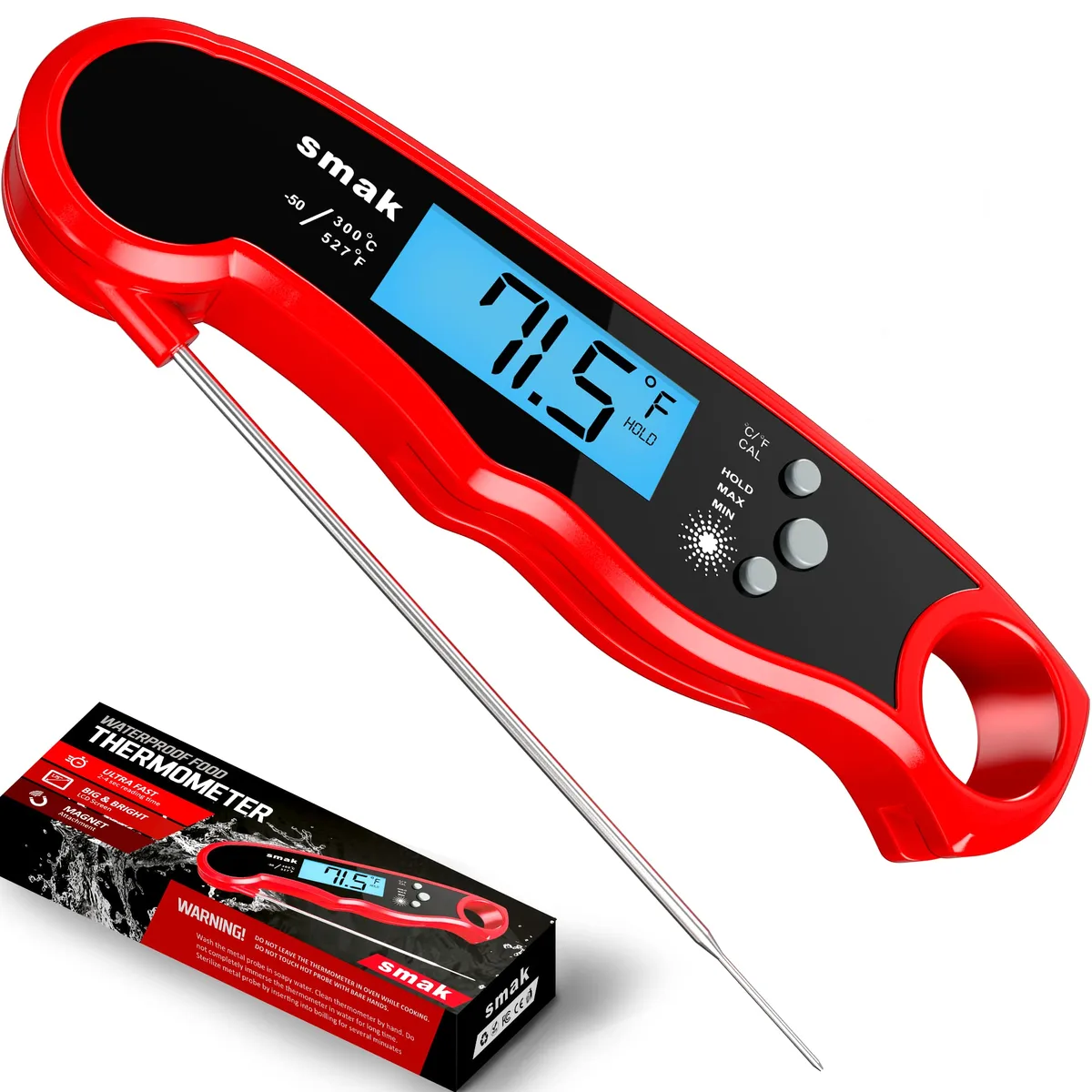
Where people mess up the thermometer: They check the thin tail end instead of the thick center. The tail always cooks faster and will read 10 to 15 degrees higher than the thickest part. Always probe the thickest section.
If your tenderloin is uneven, you can fold the thin tail under itself to create a more uniform thickness. Some people use a piece of kitchen twine to tie the tapered end closer to the body, which helps too.
What Happens If You Cook Frozen Turkey Tenderloin in the Air Fryer?
You can cook turkey tenderloin from frozen in the air fryer, but you need to adjust your expectations and your method. The exterior will brown less evenly, and you'll need to add roughly 50 percent more cook time.
Frozen method: Set the air fryer to 375°F. Cook for 10 minutes to thaw the outer layer, then season the surface (seasoning won't stick to a fully frozen piece). Return to the basket and cook another 12 to 15 minutes, checking temperature at the thickest point.
Pull at 160°F and rest 5 minutes.
The texture won't be quite as good as thawed. The slow thaw phase tends to push moisture out of the meat before the surface has a chance to sear. For the best results, thaw the tenderloin overnight in the refrigerator.
If you're short on time, seal it in a zip-lock bag and submerge in cold water for 30 to 45 minutes. That's faster than microwave defrosting and doesn't start cooking the outer layers.
One thing you should never do is partially cook frozen turkey tenderloin and then finish it later. The FDA Food Code is clear on this. Partial cooking creates a temperature danger zone between 40°F and 140°F where bacteria multiply rapidly.
Cook it all the way through in one session, every time.
Air Fryer Turkey Tenderloin vs. Oven, Grill, and Instant Pot
Each method has its trade-offs. The air fryer wins on speed and convenience, but other approaches have their place depending on what you're after.
| Method | Cook Time | Texture | Best For |
|---|---|---|---|
| Air fryer | 15–18 min | Crispy exterior, juicy interior | Quick weeknight dinners |
| Oven roast | 45–60 min | Even browning, slightly drier | Cooking whole breasts or multiple tenderloins |
| Grill | 12–15 min | Charred, smoky flavor | Outdoor cooking, summer meals |
| Instant Pot | 8–10 min + pressure time | Steamed, very soft | Meal prep shredding, not slicing |
The air fryer's rapid air circulation creates a Maillard reaction on the surface that mimics deep frying with a fraction of the oil. An oven takes longer because it has to heat a large cavity. A grill gives you smoke and char but requires more attention.
An Instant Pot produces a steamed texture that's great for pulled turkey but terrible for sliced tenderloin.
If you're deciding between an air fryer and an Instant Pot for your kitchen, they serve fundamentally different purposes. The Is Instant Pot Or Air Fryer Better comparison breaks down which one suits your cooking style. For turkey tenderloin specifically, the air fryer is the clear winner.
Common Mistakes That Ruin Turkey Tenderloin
Even experienced home cooks make these errors. Here's what to watch for:
Skipping the rest. This is the most common mistake. Five minutes of resting isn't optional. It's when carryover cooking brings the temperature to the safe 165°F and the muscle fibers relax enough to hold onto their juices.
Cut at your own risk.
Using too high a temperature. Some recipes call for 400°F or even 425°F. That's too aggressive for a lean cut this size. The outside overcooks before the center catches up.
Stick with 375°F for the most part.
Not adjusting for thickness variation. A tenderloin isn't a uniform cylinder. It's thick on one end and thin on the other. If you don't account for that taper, the tail end will be overdone by the time the center hits temperature.
Folding the tail under or tying it with twine solves this.
Forgetting to flip. Air fryers have a heating element at the top. Without flipping, one side gets significantly more heat than the other. The flip at the 8-minute mark evens things out.
Over-seasoning with sugar-based rubs. Brown sugar, honey glazes, and sweet BBQ sauces burn fast at air fryer temperatures. If you want a sweet glaze, apply it in the last 2 minutes of cooking, not at the start.
Quick Reference: Cook Times by Tenderloin Size and Air Fryer Wattage
This table takes the guesswork out of timing. Find your tenderloin weight and your air fryer wattage, and you'll have a reliable starting point.
| Tenderloin Weight | 800–1000W Air Fryer | 1200–1400W Air Fryer | 1600–1800W Air Fryer |
|---|---|---|---|
| 0.75 lb (340g) | 14–16 min | 12–14 min | 10–12 min |
| 1 lb (450g) | 18–20 min | 15–17 min | 13–15 min |
| 1.5 lb (680g) | 22–25 min | 18–20 min | 16–18 min |
Always verify with a thermometer. These times assume a 375°F cooking temperature and a tenderloin that has been brought to room temperature for 15 to 20 minutes. Add 3 to 4 minutes if cooking from partially thawed rather than fully thawed.
The Best Seasonings and Marinades for Turkey Tenderloin
Turkey tenderloin's mild flavor is a blank canvas. The right seasoning approach depends on what you're in the mood for.
Dry rub (quickest): Mix 1 teaspoon each of salt, garlic powder, and smoked paprika with half a teaspoon of black pepper and a quarter teaspoon of dried thyme. Rub over the oiled tenderloin and cook immediately. No waiting required.
Wet marinade (most flavor): Combine 2 tablespoons olive oil, 1 tablespoon lemon juice, 1 tablespoon soy sauce, 2 minced garlic cloves, and a teaspoon of Dijon mustard. Marinate the tenderloin for 30 minutes to 2 hours in the refrigerator. Pat dry before cooking so the surface browns properly.
Brine (juiciest results): Dissolve 3 tablespoons kosher salt and 2 tablespoons sugar in 4 cups of warm water. Add a few bay leaves and peppercorns if you have them. Submerge the tenderloin and refrigerate for 1 to 2 hours.
Rinse, pat dry, and season lightly. Brining adds moisture at the cellular level, which is your best insurance against dryness.
Herb butter finish: For a restaurant-quality touch, top the rested tenderloin with a pat of compound butter. Mix softened butter with minced fresh rosemary, parsley, and a squeeze of lemon. It melts over the hot sliced meat and adds richness that the lean cut naturally lacks.
Meal Prep and Storage: Making Turkey Tenderloin Ahead of Time
Turkey tenderloin is one of the best proteins for meal prep. It holds up well in the refrigerator and reheats better than most lean meats if you do it right.
Refrigerator storage: Slice the cooked and rested tenderloin, then store in an airtight container for up to 4 days. Keep the slices in a single layer with parchment paper between stacks so they don't stick together.
Freezing: Wrap individual portions tightly in plastic wrap, then place in a freezer bag. Frozen cooked turkey tenderloin keeps for up to 3 months. Thaw overnight in the refrigerator before reheating.
Reheating without drying it out: This is where most people fail. Use the air fryer again at 325°F for 3 to 4 minutes just to warm through. Add a small ramekin of water to the basket alongside the meat to introduce moisture.
You can also slice it cold over salads, which is honestly one of the best ways to use leftovers.
If you're batch cooking for the week, a larger air fryer makes the job much faster. The Best 9 Qt Air Fryer For Large Batches handles multiple tenderloins in one session without the crowding that kills texture.
Frequently Asked Questions
Can I cook turkey tenderloin in an air fryer without oil?
Yes, but the exterior won't brown as well. A light coating of olive oil or cooking spray helps the Maillard reaction that creates that golden crust. Without oil, you'll get a paler, slightly drier surface.
The interior will still cook properly as long as you hit the right temperature.
How do I keep turkey tenderloin from drying out in the air fryer?
Three things: don't overcook it (use a thermometer), don't skip the rest, and consider brining beforehand. Pulling at 160°F instead of 165°F and letting carryover cooking finish the job makes the biggest single difference.
Is turkey tenderloin better than chicken breast in the air fryer?
They cook similarly, but turkey tenderloin is slightly denser and has a milder flavor. Chicken breast is more widely available and usually cheaper. Both benefit from the same technique of pulling at 160°F and resting to 165°F.
Turkey tenderloin tends to be a bit juicier when cooked properly because the cut is thicker and less prone to overcooking.
Can I use pre-seasoned store-bought turkey tenderloin?
Absolutely. Brands like Jennie-O and Butterball sell pre-marinated and pre-seasoned tenderloins that work perfectly in the air fryer. Follow the same temperature and timing guidelines.
Just check the sodium content if you're watching your salt intake, since pre-seasoned options tend to be saltier.
What sides go well with air fryer turkey tenderloin?
Roasted vegetables cooked in the same air fryer are the easiest pairing. Brussels sprouts, sweet potato wedges, and green beans all cook at similar temperatures. You can start the vegetables first since they're more forgiving, then add the tenderloin when there's 15 minutes left.