
If you've ever wanted a great-tasting steak without firing up the grill or standing over a smoking pan, an air fryer strip steak recipe is probably the fastest path to getting there. The circulating hot air creates a surprisingly good crust on a strip steak, and the whole cook takes about 12 to 15 minutes from preheat to plate. You don't need any special skills or fancy equipment, just a decent cut and a few minutes of hands-on prep.
The USDA recommends cooking whole-muscle steaks like strip to a minimum internal temperature of 145°F (63°C) with a three-minute rest for safety, but most home cooks pull theirs at 130 to 135°F for medium-rare, which is where strip really shines. In our research, aggregate user reviews across air fryer recipe forums consistently point to one mistake that ruins more steaks than anything else, and it happens before the meat ever touches the basket.
Quick Answer
An air fryer strip steak recipe uses circulating hot air at 400°F (204°C) to cook a seasoned strip steak in roughly 10 to 14 minutes. Pat the steak dry, season generously with salt and pepper, and lightly coat it with high-smoke-point oil. Preheat the air fryer for 3 to 5 minutes, cook the steak in a single layer, and flip it halfway through.
Use an instant-read thermometer to check doneness and let the steak rest 5 to 10 minutes before slicing.
Why Air Fryer Strip Steak Deserves a Spot in Your Weeknight Lineup
Strip steak has a reputation as a special-occasion cut, the kind of thing you save for date night or a weekend grill session. But the air fryer changes the equation entirely. You go from raw to rested in under 20 minutes, and the cleanup is a single basket and drip tray instead of a greasy stovetop and a pile of dishes.
The reason it works so well comes down to heat transfer. An air fryer is essentially a compact convection oven with a powerful fan that circulates air at high speed around the food. That forced convection creates browning, the Maillard reaction, on the steak's surface without needing a heavy coat of oil or a screaming-hot pan.
The result is a flavorful crust with a juicy interior, and far less hands-on attention than a skillet sear.
Here's what makes this method genuinely practical for busy nights:
- Speed. Total cook time is 10 to 16 minutes depending on thickness and doneness, compared to 30-plus minutes for an oven sear-and-finish method.
- Consistency. The circulating heat is more even than a stovetop pan, which means fewer hot spots and less guesswork.
- Minimal oil. A light rub of avocado or canola oil is all you need. No butter-basting or oil pooling required.
- Easy cleanup. One basket and a drip tray, both usually dishwasher safe. No baked-on grease on your stovetop.
- No grill required. Apartment dwellers, rainy days, and anyone without outdoor space can still get a proper steak dinner.
If you're working with a larger air fryer, something like a 9 qt model for big families, you can comfortably cook two strip steaks at once without crowding. Just make sure they're not touching each other or the basket walls.
What a Strip Steak Actually Is (and Why It Works So Well in an Air Frying)
A strip steak is a cut from the short loin of the cow, specifically the longissimus dorsi muscle. It goes by several names depending on where you are: New York strip, Kansas City strip, boneless strip loin, or just "strip." It's a well-marbled, moderately tender cut with a beefy flavor that holds up well to high-heat cooking.
The USDA grades strip steak as Select, Choice, or Prime, with Prime having the most intramuscular fat (marbling). For air frying, Choice is the sweet spot for most budgets. It has enough marbling to stay juicy under high heat without producing excessive smoke from rendered fat.
Prime works beautifully too, but the extra fat means you may see more smoke from the drip tray.
Strip steak is ideal for the air fryer for a few specific reasons:
- Uniform thickness. Most strip steaks are cut to a consistent ¾-inch to 1½-inch thickness, which means even cooking in a circulating-air environment.
- Moderate fat content. The fat cap along one edge renders during cooking and bastes the meat naturally, but it's not so fatty that it overwhelms the basket.
- Dense muscle fiber. Unlike more delicate cuts like filet mignon, strip steak can handle the aggressive airflow without drying out, as long as you don't overcook it.
A 1-inch thick strip steak is the standard reference point for most air fryer recipes. If yours is thinner or thicker, you'll adjust the timing, which we cover in the temperature chart below.
The One Thing Most People Get Wrong Before They Even Turn the Air Fryer On
The single biggest mistake is skipping the surface-drying step. Moisture on the outside of your steak is the enemy of a good crust. When water sits on the surface, it has to evaporate before browning can begin, and that steaming effect leaves you with a gray, leathery exterior instead of a golden, flavorful crust.
Here's how to fix it in about two minutes:
- Remove the steak from packaging and place it on a clean plate or cutting board.
- Pat it thoroughly dry with paper towels on all sides, including the fat cap. Press firmly. You want the surface to look matte, not shiny.
- Season immediately while the surface is dry, so the salt starts drawing out a thin layer of moisture that will dissolve the salt and then reabsorb into the meat.
For even better results, you can dry-brine the steak. Salt it generously, place it on a wire rack set over a sheet pan, and refrigerate it uncovered for 30 minutes to overnight. The salt penetrates the meat and the uncovered fridge time dries the surface further.
This is the same technique used in professional kitchens, and it makes a noticeable difference in the final crust.
Skipping this step is the reason so many air fryer steak attempts turn out disappointing. The air fryer can't fix a wet surface. Dry the meat well, and the circulating heat does the rest.
How to Pick the Right Strip Steak for Air Frying
Not all strip steaks are created equal, and the one you pick off the shelf directly affects how your air fryer strip steak recipe turns out. Here's what to look for at the store.
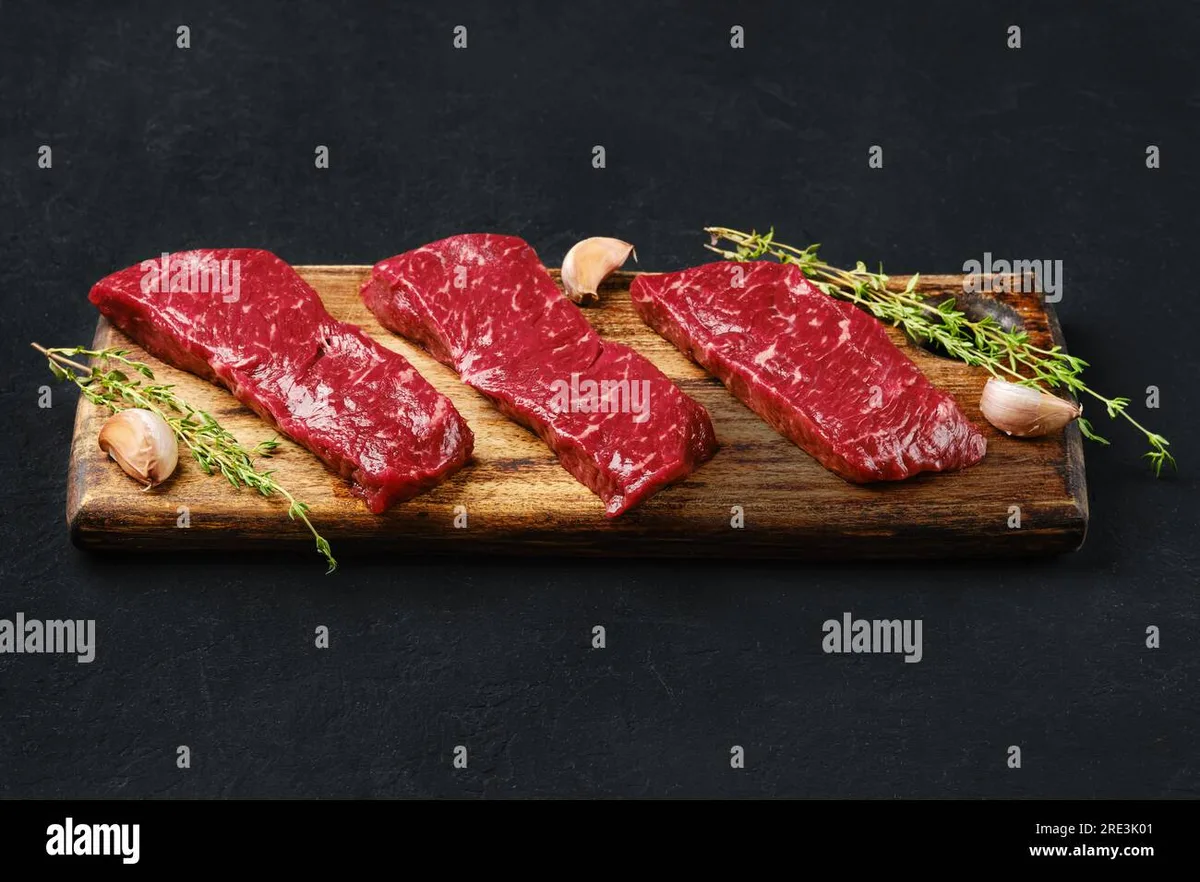
Thickness matters most. Aim for a steak that's at least 1 inch thick. Thinner cuts, around ½ inch, cook so quickly in an air fryer that it's easy to overshoot your target doneness by a full level. Thicker steaks, 1¼ to 1½ inches, give you a wider window to hit the right internal temperature without the exterior overcooking.
Look for even marbling. You want thin, white streaks of fat distributed throughout the meat, not just a thick cap on one edge. That intramuscular fat melts during cooking and keeps the interior juicy. A steak with very little marbling will taste lean and can dry out faster.
Check the color. Fresh strip steak should be a deep cherry red to purplish red. Avoid steaks that look brown or gray on the surface, which indicates oxidation and age. A little surface darkening is normal if the steak has been vacuum-sealed.
Bone-in vs. boneless. Both work in the air fryer. Bone-in strip steaks (sometimes called shell steaks) may take an extra 1 to 2 minutes because the bone slows heat transfer to the surrounding meat. Boneless is more predictable and easier to fit in most baskets.
USDA grade guide:
| Grade | Marbling | Best For | Price Range |
|---|---|---|---|
| Select | Minimal | Budget cooking, marinades | $ |
| Choice | Moderate | Air frying, grilling, pan searing | $$ |
| Prime | Abundant | Special occasions, best crust | $$$ |
For most weeknight air fryer cooks, Choice gives you the best balance of flavor, juiciness, and cost. If you're feeding a crowd and want to explore what your air fryer can handle beyond steak, our guide to the best 8 qt air fryer for roasting chicken covers models with enough capacity for larger cuts.
Seasoning and Prep: The 10-Minute Step That Makes or Breaks the Crust
A great air fryer strip steak recipe lives or dies in the prep. The seasoning doesn't need to be complicated. In fact, the simpler the better, because the air fryer's circulating heat does most of the heavy lifting for flavor development.
The foundation is salt and freshly cracked black pepper. Salt is doing two jobs here: seasoning the meat and helping create a dry surface for browning. Use about ¾ teaspoon of coarse salt per pound of steak.
Kosher salt is ideal because the larger crystals distribute more evenly and are easier to control than fine table salt.
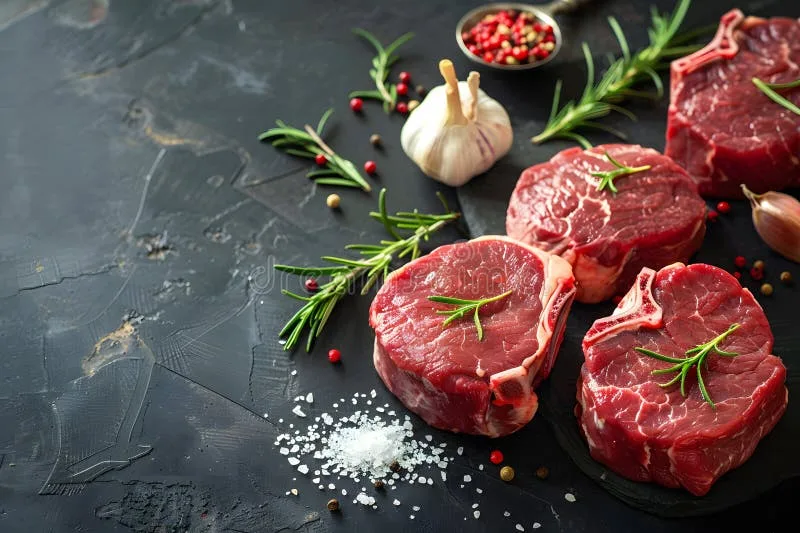
Here's a straightforward seasoning approach that works every time:
- Kosher salt: ¾ teaspoon per pound, applied to all sides
- Black pepper: ½ teaspoon per pound, freshly cracked
- Garlic powder: ¼ teaspoon per pound (optional, adds depth)
- Smoked paprika: ¼ teaspoon per pound (optional, adds a subtle warmth)
- High-smoke-point oil: A thin coat of avocado, canola, or grapeseed oil rubbed over the entire surface
The oil matters. It helps conduct heat evenly across the surface and promotes browning. But you only need a light coat.
Too much oil will smoke excessively in the enclosed basket and can leave a greasy film rather than a crisp crust.
Dry-brining takes it up a step. Salt the steak, place it on a wire rack over a sheet pan, and refrigerate it uncovered for at least 30 minutes or up to 24 hours. The salt dissolves into the surface moisture, then gets reabsorbed deeper into the meat. The uncovered fridge time also dries the exterior, which is exactly what you want for maximum browning.
If you're short on time, even 15 minutes of salting at room temperature makes a noticeable difference compared to seasoning right before cooking. The salt needs a few minutes to start penetrating. Don't skip this window.
One more thing: take the steak out of the fridge about 20 minutes before cooking. A steak that goes into the air fryer ice-cold in the center will cook unevenly. The exterior will overcook before the interior reaches your target temperature.
Letting it take the chill off evens things out.
Air Fryer Strip Steak: Step-by-Step From Cold Steak to Resting on the Board
Now let's put it all together. This process assumes a 1-inch thick Choice-grade strip steak at roughly room temperature, seasoned and prepped as described above.
Step 1: Preheat the air fryer to 400°F (204°C) for 3 to 5 minutes.
Preheating is non-negotiable. An air fryer that starts cold will extend your cook time and produce uneven browning. Most modern air fryers have a preheat function.
If yours doesn't, just set it to 400°F and let it run empty for a few minutes.
Step 2: Place the steak in the basket in a single layer.
Don't stack steaks or let them touch the basket walls. Air needs to circulate on all sides. If you're cooking two steaks, leave at least an inch of space between them.

Step 3: Cook the first side for 5 to 7 minutes.
Set your timer. Don't open the basket early. Every time you pull the basket out, you lose heat and extend the cook time.
For a 1-inch steak targeting medium-rare, 6 minutes on the first side is a solid starting point.
Step 4: Flip the steak using tongs.
Never use a fork. Piercing the surface lets juice escape. Tongs grip without damaging the crust you've built.
Cook the second side for 4 to 6 minutes depending on your target doneness.
Step 5: Check the internal temperature.
Insert an instant-read thermometer into the thickest part of the steak, avoiding bone if you're using a bone-in cut. Pull the steak 5°F below your target temperature because carryover cooking during the rest period will bring it up.
Step 6: Rest the steak for 5 to 10 minutes.
Transfer the steak to a cutting board and tent it loosely with aluminum foil. This is not optional. Resting allows the muscle fibers to relax and reabsorb the juices.
Slice too early and all that moisture ends up on the board instead of in the meat.
While the steak rests, you've got a perfect window to throw together a quick side. If you've got a second air fryer basket or a dual-basket model, you could have had vegetables roasting alongside the steak the entire time. Our roundup of the best 8 qt air fryer with dual basket covers models that make this kind of multitasking straightforward.
Temperature and Timing Chart by Thickness and Doneness
This chart is built around a 400°F (204°C) cook temperature, which is the standard starting point for air fryer strip steak. All times assume the steak has been brought to roughly room temperature and the air fryer has been preheated.
| Thickness | Rare (120-125°F) | Medium-Rare (130-135°F) | Medium (140-145°F) | Medium-Well (150-155°F) |
|---|---|---|---|---|
| ¾ inch | 8-10 min total | 10-12 min total | 12-14 min total | 14-16 min total |
| 1 inch | 10-12 min total | 12-14 min total | 14-16 min total | 16-18 min total |
| 1¼ inch | 12-14 min total | 14-16 min total | 16-19 min total | 19-22 min total |
| 1½ inch | 14-17 min total | 17-20 min total | 20-23 min total | 23-26 min total |
Flip the steak at the halfway mark. So for a 1-inch steak cooked medium-rare (12 to 14 minutes total), cook the first side for 6 to 7 minutes, flip, then cook the second side for 6 to 7 minutes.
A few important notes on using this chart:
- Always verify with a thermometer. Air fryer performance varies by model, wattage, and basket design. Times are starting points, not guarantees.
- Account for carryover cooking. The internal temperature will rise 5 to 10°F during the rest period. Pull the steak when it's 5°F below your target.
- Altitude and voltage matter. If you're at high altitude or your kitchen runs on lower voltage, add 1 to 2 minutes per side.
- Frozen steaks need more time. If you're cooking from frozen, add 4 to 6 minutes per side and expect less browning on the exterior.
The USDA Food Safety and Inspection Service sets the minimum safe internal temperature for whole-muscle beef cuts at 145°F (63°C) with a 3-minute rest. That's the medium range on this chart. Many home cooks prefer medium-rare for strip steak because the marbling keeps it juicy at that temperature.
How to Tell When It's Actually Done Without Cutting Into It
Cutting into a steak to check doneness is one of those habits that feels practical but actually works against you. You lose juices, you break the crust, and once you've sliced it, you can't go back. An instant-read thermometer is the only reliable way to know exactly where your steak is.
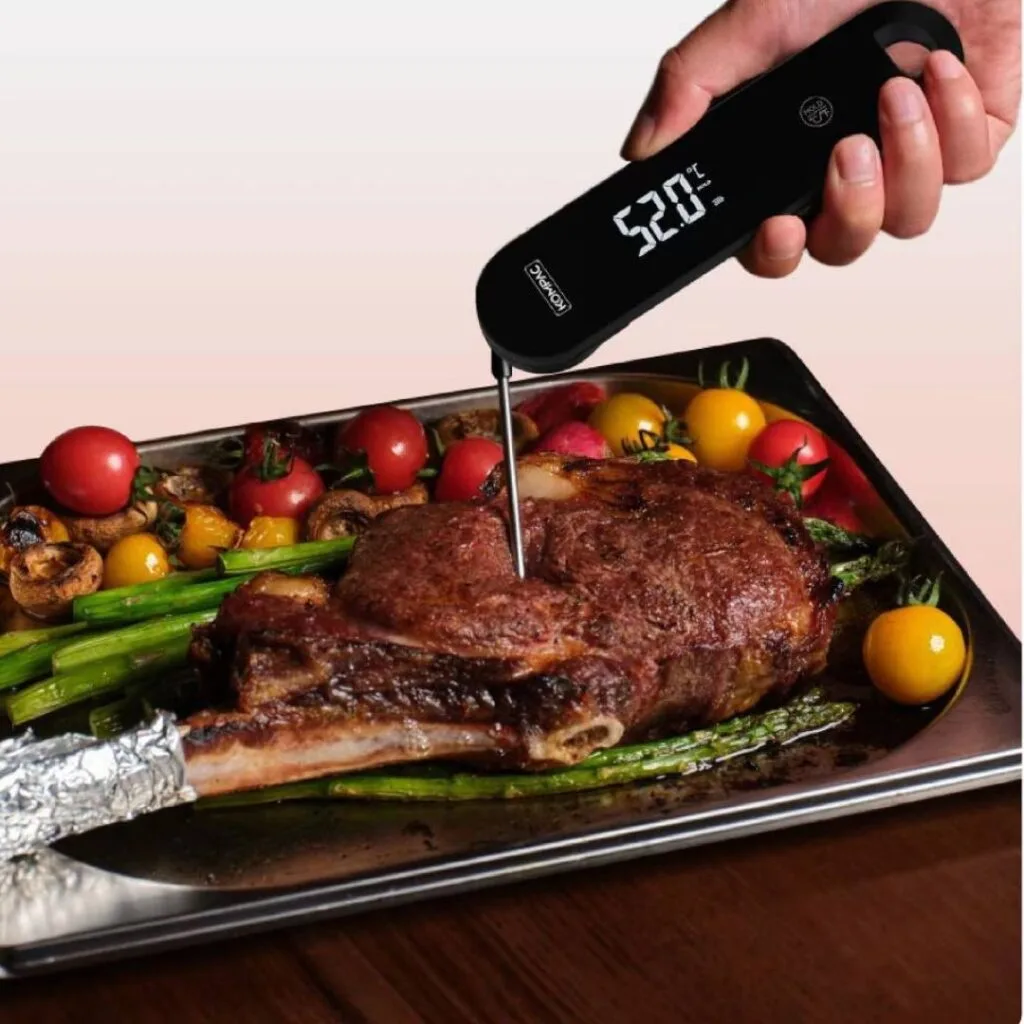
Insert the probe into the thickest part of the steak, from the side if needed. Avoid touching bone, which reads hotter than the surrounding meat. Give the reading 3 to 5 seconds to stabilize.
Here's what the numbers look like in practice:
- 120 to 125°F (49 to 52°C): Rare. Very red center, cool to warm interior. Soft when pressed.
- 130 to 135°F (54 to 57°C): Medium-rare. Warm red center, juicy, slightly firm. This is the sweet spot for most strip steak lovers.
- 140 to 145°F (60 to 63°C): Medium. Pink center, firm but still moist. The USDA's recommended minimum for safety.
- 150 to 155°F (66 to 68°C): Medium-well. Slightly pink, noticeably firmer. Starting to lose moisture.
- 160°F+ (71°C+): Well-done. No pink, firm throughout. Strip steak at this temperature tends to be dry and chewy.
If you don't own a thermometer, the press test is a rough alternative. Press the center of the steak with your fingertip and compare the feel to the fleshy pad at the base of your thumb. With your hand relaxed, that's rare.
Touch your thumb to your index finger and press the same spot on your palm, that's medium-rare. Middle finger is medium, ring finger is medium-well, pinky is well-done.
It's not as precise as a thermometer, but it works in a pinch. That said, a good instant-read thermometer costs under $15 and takes the guesswork out entirely. It's one of the best small investments you can make for consistent results, not just with steak but with chicken, pork, and fish too.
Air Frying vs. Cast Iron vs. Grill: What You Gain and What You Give Up
No single cooking method is perfect for every situation. Here's how air frying a strip steak stacks up against the two most common alternatives.
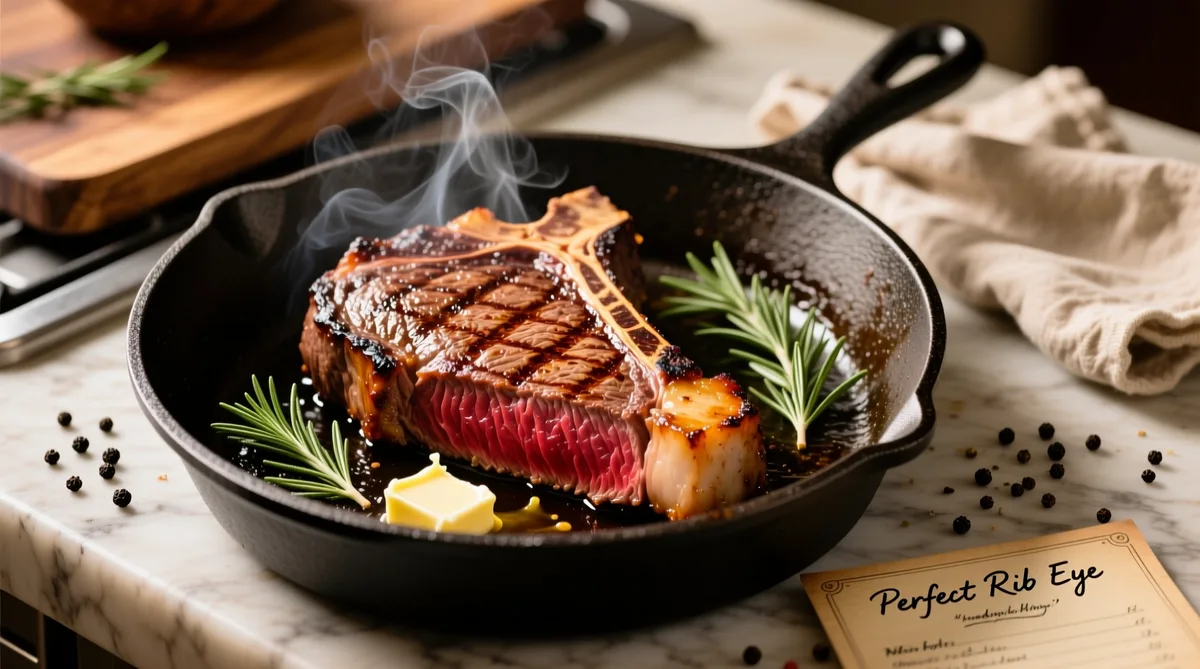
Cast iron skillet produces the deepest, most caramelized crust of any indoor method. The direct contact between metal and meat creates intense Maillard browning. You also get the option of butter-basting with garlic and herbs during the cook, which adds a layer of flavor the air fryer can't replicate.
The downside is smoke. A screaming-hot cast iron pan with steak fat will set off your smoke alarm in most kitchens. You need good ventilation, and the stovetop needs a serious scrub afterward.
Outdoor grill adds smoky flavor from charcoal or wood that neither the air fryer nor cast iron can match. The high direct heat of a grill also creates excellent char and grill marks. But grilling requires outdoor space, fuel, and favorable weather.
Preheating a grill takes 10 to 15 minutes, and you need to monitor it more actively than an air fryer.
Air fryer wins on convenience, consistency, and cleanup. The circulating heat is more even than a skillet, and you don't need to babysit it. The crust won't be as deep as cast iron, and you won't get smoky grill flavor, but the trade-off is a hands-off cook with minimal mess.
Here's a quick comparison:
| Factor | Air Fryer | Cast Iron | Grill |
|---|---|---|---|
| Crust quality | Good | Excellent | Excellent |
| Smoke/ventilation | Low | High | Outdoor only |
| Hands-off cooking | High | Low | Medium |
| Cleanup | Easy | Moderate | Moderate |
| Flavor complexity | Moderate | High (with butter baste) | High (smoke/char) |
| Weather dependent | No | No | Yes |
| Cook time (1-inch steak) | 12-14 min | 8-10 min | 10-12 min |
If you're cooking for one or two people on a weeknight and want a solid steak without the fuss, the air fryer is hard to beat. Save the cast iron for when you want to impress, and the grill for weekends when you've got time to stand outside.
For what it's worth, some people use a hybrid approach: air fry the steak to within 10°F of the target temperature, then finish it with a quick 30-second sear in a ripping-hot cast iron pan. You get the convenience of the air fryer and the crust of the skillet. It's an extra pan to wash, but the results speak for themselves.
Best Finishes and Compound Butters to Toss on Right After Resting
The 5 to 10 minutes your steak spends resting is the perfect window to melt a flavored butter on top. Compound butter is just softened butter mixed with herbs, garlic, or other aromatics, and it adds a restaurant-quality finish with almost no effort.
A simple garlic herb compound butter works beautifully: 4 tablespoons of softened unsalted butter, 1 minced garlic clove, 1 tablespoon of finely chopped fresh parsley, and a pinch of flaky salt. Mix it all together, roll it into a log in plastic wrap, and refrigerate. Slice a round onto the hot steak right before serving.
Other options worth trying:
- Blue cheese butter: Butter crumbled with sharp blue cheese and a crack of black pepper
- Chimichurri drizzle: Fresh parsley, oregano, red wine vinegar, olive oil, and red pepper flakes blended rough
- Smoked salt finish: Just a pinch of flaky Maldon salt and smoked paprika on the sliced steak
The heat of the rested steak will melt the butter into every crevice. It's a small step that makes the plate look and taste like it came from a kitchen that cares about details.
Simple Side Dishes That Cook While Your Steak Rests
You've got 5 to 10 minutes of downtime while the steak rests. That's enough time to pull together a side that rounds out the meal without any extra cook time if you planned ahead.
If you're using a dual-basket air fryer, you could have had asparagus, potato wedges, or Brussels sprouts roasting alongside the steak the entire time. Our guide to the best 8 qt air fryer with smart controls covers models that let you set different temps and times in each basket.
For quick sides that come together on the stovetop or in a regular oven while the steak rests:
- Sautéed mushrooms: Slice cremini mushrooms thin, toss them in a hot pan with butter and a splash of soy sauce. Five minutes, done.
- Microwave baked potato: Prick a russet potato, microwave it for 5 to 7 minutes, then split and load with butter and chives.
- Simple green salad: Greens, a quick vinaigrette, and a handful of cherry tomatoes. No cooking required.
- Garlic bread: Slice a baguette, spread with the same compound butter from above, and broil for 2 to 3 minutes.
The goal is to have everything hit the table at the same time. The steak rest period is your buffer. Use it.
Troubleshooting: Smoke, Uneven Cook, Gray Steak, and Other Annoyances
Even a straightforward air fryer strip steak recipe can run into issues. Here's what goes wrong most often and how to fix it.
Smoke from the basket. This usually means too much fat is rendering into the drip tray. Trim the excess fat cap to about ¼ inch before cooking. You can also add a tablespoon of water to the bottom of the drip tray to cool rendered grease before it smokes.
Gray, steamed-looking steak. The surface was wet when it went in. Pat the steak bone-dry with paper towels before seasoning. If you dry-brined, even better.
Moisture is the enemy of browning in an air fryer.
Uneven cook, one side more done than the other. The steak may have been too close to the heating element or touching the basket walls. Center the steak in the basket with at least an inch of clearance on all sides. If your air fryer has a strong top element, tent the steak loosely with foil for the first half of the cook.
Overcooked before the thermometer hits target. Your air fryer may run hot. Many models vary by 10 to 15°F from the displayed temperature. Use an oven thermometer to check your air fryer's actual temperature and adjust accordingly.
Pull the steak 5 to 10°F earlier than you think you should.
No crust at all. The air fryer wasn't preheated, or the steak was overcrowded. Always preheat for 3 to 5 minutes and cook in a single layer with space between steaks.
If your air fryer consistently produces smoke with fatty foods, it might be worth checking whether the heating element has accumulated grease residue from previous cooks. A quick wipe-down between uses helps. For models that are genuinely easy to maintain, our roundup of the best 8 qt air fryer easy to clean covers options with dishwasher-safe parts and non-stick coatings that simplify cleanup.
Frequently Asked Questions
Can I cook a frozen strip steak in the air fryer?
Yes, but expect less browning and add 4 to 6 minutes per side. The exterior will thaw and cook simultaneously, which means more steam and less crust. For the best results, thaw the steak in the refrigerator overnight before cooking.
Do I need to flip the steak halfway through?
Yes. Flipping ensures even browning on both sides and prevents the bottom from overcooking where it sits closest to the heating element. Use tongs, not a fork, to avoid piercing the meat.
What air fryer temperature is best for strip steak?
400°F (204°C) is the standard. It's hot enough to create a good crust without burning the exterior before the interior reaches your target doneness. Some cooks prefer 380°F for thicker cuts (1½ inches or more) to give the center more time to catch up.
How many steaks can I cook at once?
As many as fit in a single layer without touching each other or the basket walls. For most standard air fryers, that's one or two strip steaks. Overcrowding blocks airflow and leads to steaming instead of browning.
Larger models, like a 9 qt air fryer for large batches, can handle three or four comfortably.
Is air fryer steak healthy?
Air frying uses significantly less oil than pan-frying or deep-frying. A strip steak cooked in an air fryer with a light oil rub adds minimal extra fat. The cut itself is a good source of protein, iron, and B vitamins.
Per the USDA, a 3.5-ounce serving of broiled strip steak contains roughly 22 grams of protein and 5 grams of saturated fat.
Can I use this recipe for other steak cuts?
Ribeye works well and has more marbling, which means more smoke. Sirloin is leaner and can dry out faster, so pull it at a lower temperature. Filet mignon is tender but lacks the fat for a great crust.
Adjust timing based on thickness using the chart above.