
Pollock is one of the most affordable, mild-tasting white fish you'll find in any freezer aisle, and your air fryer is the fastest way to turn it into a crispy, golden dinner. If you've been scrolling through pollock fish recipes air fryer searches wondering whether it actually works, the answer is a solid yes. Pollock's thin fillets cook in under 12 minutes, and the air fryer's circulating heat gives you a crunchy coating with a fraction of the oil deep frying demands.
A 4 oz serving of Alaska pollock delivers roughly 20 grams of protein for only about 100 calories, and the Food and Drug Administration lists it as a "Best Choice" fish for low mercury. It's also one of the most sustainable options out there, with the Marine Stewardship Council certifying the Alaska pollock fishery as responsibly managed. Whether you're cooking from frozen or working with fresh fillets, here's everything you need to know to nail it every time.
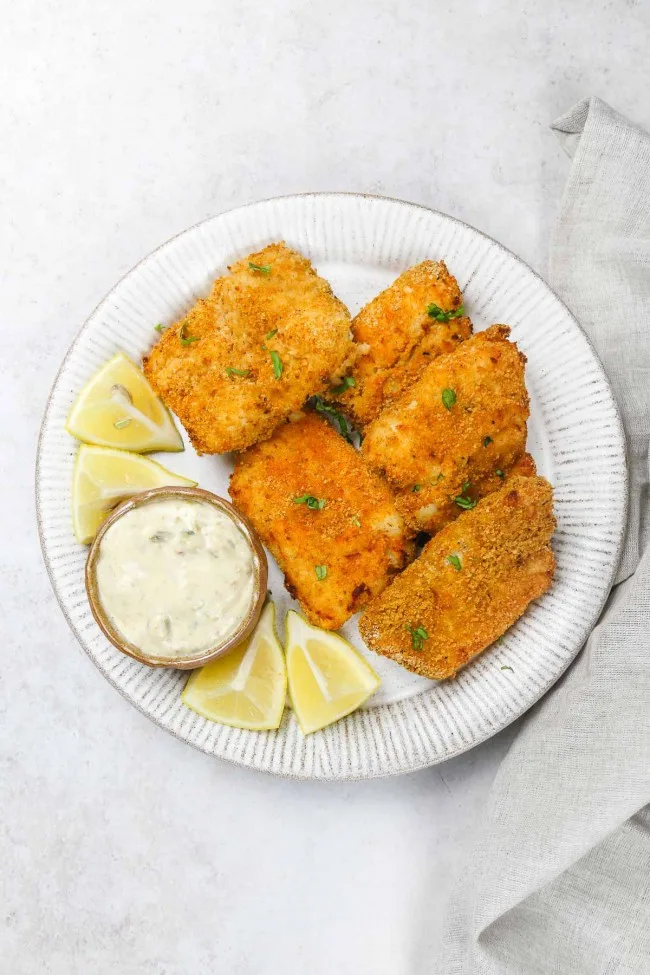
Image source: Bing (Web (fair-use with source credit))
Quick Answer
Pollock cooks beautifully in the air fryer in 8 to 16 minutes depending on whether it's fresh or frozen. Set your air fryer between 375°F and 400°F. Pat fillets dry, season or bread them, and arrange in a single layer with no overlap.
The FDA recommends cooking all fish to an internal temperature of 145°F. Pollock's mild flavor and low price make it one of the best white fish choices for air fryer cooking.
Pollock in the Air Fryer: What to Expect Before You Start
Pollock is a lean, mild-flavored white fish with delicate, flaky flesh. It's thinner than cod or haddock, which means it cooks fast, but it also means it can dry out just as quickly if you're not paying attention. That's actually what makes it perfect for the air fryer.
The short cook window works in your favor as long as you keep an eye on it.
One thing you'll notice right away is that pollock doesn't have a strong fishy taste. If you've got picky eaters at the table, or kids who turn their nose up at salmon, pollock is your best friend. It takes on whatever seasoning or coating you pair it with, so it's incredibly versatile.
Expect fillets to be about half an inch to one inch thick. Store-bought frozen pollock fillets are usually pre-portioned into 4 to 6 oz pieces, which is a solid single serving. If you're buying fresh, look for firm, translucent flesh with no strong odor.
A slight ocean smell is normal. Anything ammonia-like means it's past its prime.
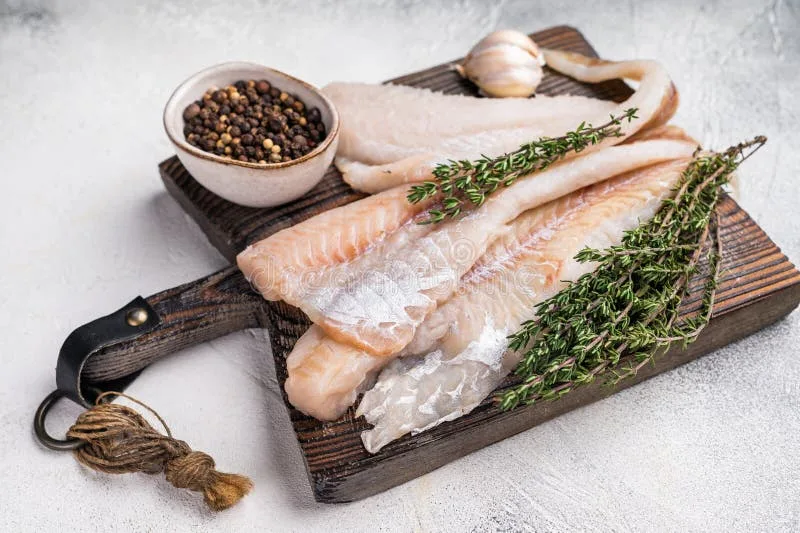
Image source: Bing (Web (fair-use with source credit))
The air fryer will give you a noticeably crispier result than oven baking, especially with breaded fillets. You won't get the exact same crunch as deep frying, but you'll get surprisingly close with a light spray of oil and the right coating. Most aggregate user reviews across air fryer pollock recipes report the best results at 380°F to 400°F with a cook time between 8 and 14 minutes.
How to Cook Frozen Pollock in the Air Fryer (No Thaw Needed)
This is where the air fryer really shines. You can cook frozen pollock straight from the package with zero thawing, and it turns out great. That's a genuine weeknight game changer when you forgot to pull something out of the freezer that morning.
Here's the step-by-step process:
- Preheat your air fryer to 400°F for 3 minutes. Not every model requires preheating, but it makes a real difference in how evenly the fish cooks.
- Remove fillets from packaging. If they're stuck together, don't force them apart while fully frozen. Let them sit for 2 to 3 minutes until you can separate them without tearing.
- Pat the surface dry with paper towels. This is the single most important step. Frozen pollock releases moisture as it cooks, and excess water is what makes coatings go soggy instead of crispy.
- Lightly spray both sides with cooking oil. An oil mister gives you more control than aerosol spray and prevents the breading from getting blown off by the air circulation.
- Season or bread as desired. For plain seasoned fillets, a mix of garlic powder, paprika, salt, and pepper works perfectly. For breaded, see the coating section below.
- Arrange in a single layer in the air fryer basket. No overlapping. Leave at least half an inch between fillets for proper airflow.
- Cook at 400°F for 12 to 14 minutes, flipping once at the halfway mark. Frozen fillets on the thicker side may need the full 14 minutes.
- Check for doneness. The fish should be opaque all the way through and flake easily with a fork. Internal temperature should hit 145°F.
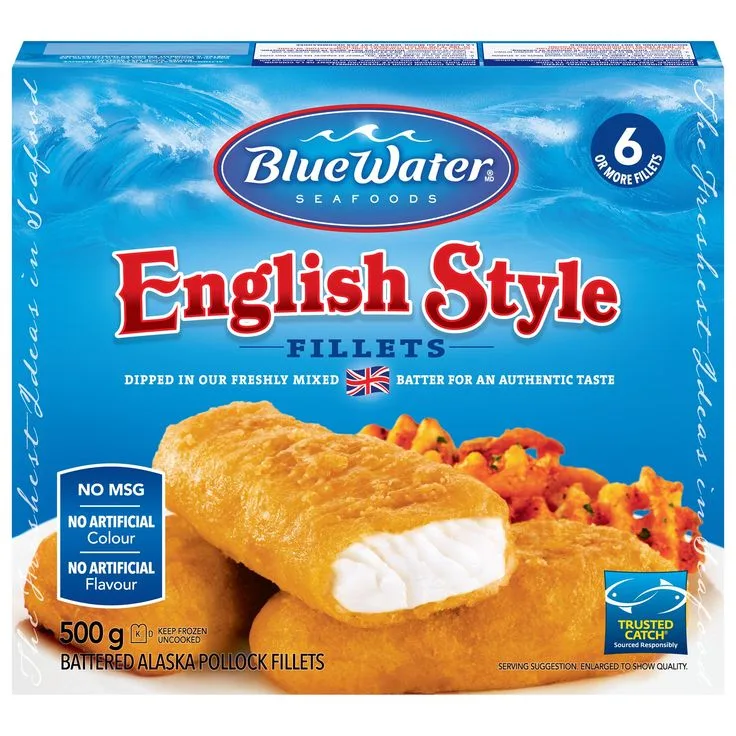
Image source: Bing (Web (fair-use with source credit))
If you're using store-bought frozen breaded pollock, like Gorton's or Captain Highliner, the process is even simpler. Skip the seasoning and breading steps entirely. Just spray the basket, add the fillets, give them a light oil mist on top, and cook at 400°F for 12 to 15 minutes.
Flip halfway. The pre-applied breading is designed for oven cooking, but the air fryer actually crisps it up better.
One common mistake is cooking frozen pollock at too low a temperature. Below 375°F, the fillets tend to steam in their own moisture rather than crisp up. Keep it at 400°F and trust the timing.
How to Cook Fresh or Thawed Pollock Fillets in the Air Fryer
Fresh or properly thawed pollock cooks faster than frozen, so you'll need to dial back the time by a few minutes. The tradeoff is that fresh fillets take coatings better since there's less surface moisture competing with your breading.
Thawing method: If your pollock is frozen and you want to thaw it, the safest approach is to move it from the freezer to the refrigerator the night before. That slow thaw keeps the texture intact. In a pinch, you can seal the fillets in a zip-lock bag and submerge them in cold water for 30 to 45 minutes.
Never use hot water or the microwave, as both start cooking the outer layer and give you uneven results.
Cooking process for fresh or thawed pollock:
- Preheat the air fryer to 380°F for 3 minutes.
- Pat fillets completely dry with paper towels. Even fresh pollock has surface moisture that will work against crispiness.
- Season or coat the fillets. A simple seasoning of salt, pepper, garlic powder, and a squeeze of lemon works beautifully. For breaded fillets, use the dredging method described in the next section.
- Spray the basket lightly with oil or use a parchment air fryer liner to prevent sticking.
- Place fillets in a single layer with space between each one.
- Cook at 380°F for 8 to 10 minutes, flipping once at the 4 to 5 minute mark. Thinner fillets may be done in as few as 7 minutes.
- Check internal temperature with an instant-read thermometer. You're looking for 145°F at the thickest part.
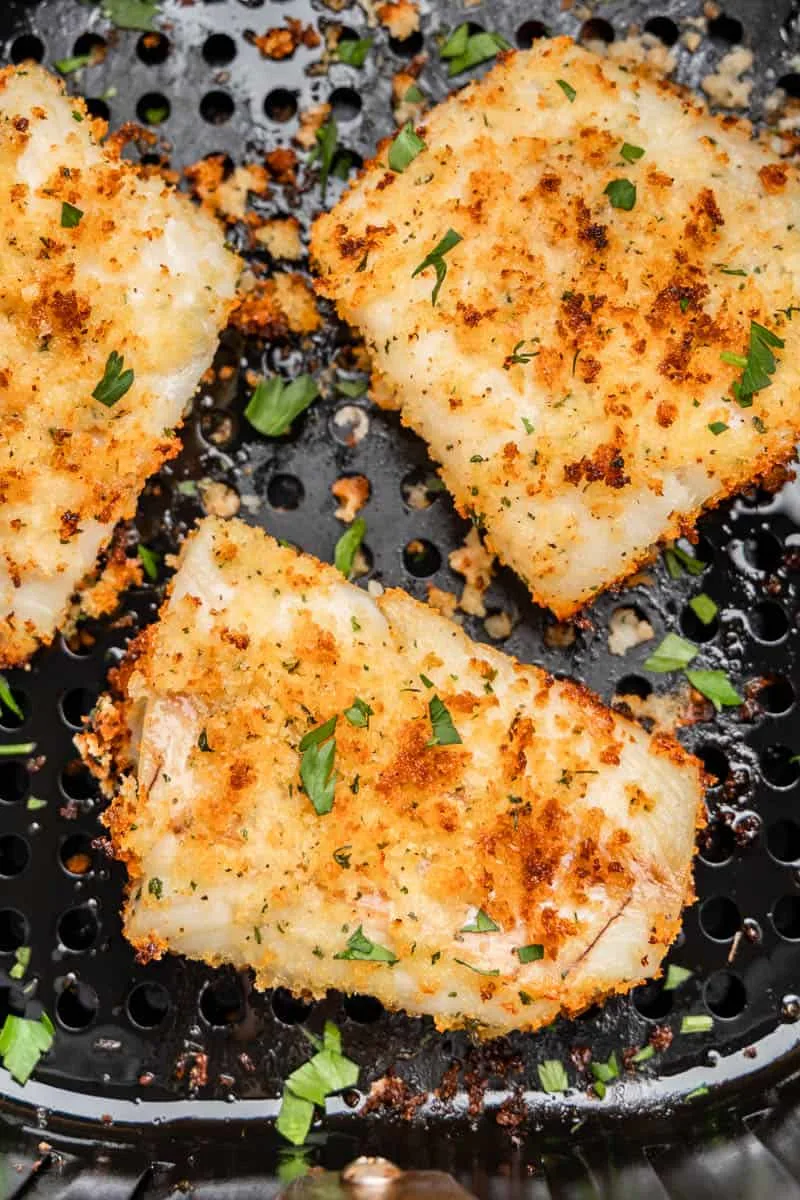
Image source: Bing (Web (fair-use with source credit))
The lower temperature compared to frozen cooking gives you a little more control and reduces the risk of the outside drying out before the center is done. If you're working with particularly thin fillets, around half an inch or less, start checking at 7 minutes. Pollock goes from perfectly cooked to overcooked fast, and there's not much margin for error.
For a simple herb butter finish, melt a tablespoon of butter with minced garlic and fresh dill, then drizzle it over the fillets right when they come out of the air fryer. The residual heat wilts the herbs and soaks the butter into the fish without making it greasy.
If you're looking for an air fryer that handles frozen seafood especially well, models with strong airflow and a wide temperature range make a noticeable difference. Our research on the Best 8 Qt Air Fryer For Frozen Foods covers several options that excel at exactly this kind of cooking.
The Best Coatings and Seasonings for Air Fryer Pollock
The coating you choose can take pollock from basic to genuinely craveable. Since pollock has such a mild flavor, it's a blank canvas. Here are the coatings and seasonings that work best in the air fryer, based on aggregate recipe testing and user feedback.
Panko Breadcrumb Coating
Panko is the gold standard for air fryer fish. The coarse, flaky Japanese-style breadcrumbs create an extra-crispy crust that holds up well under the air fryer's circulating heat. Mix panko with a little grated Parmesan, garlic powder, and smoked paprika for a coating that's flavorful and crunchy.
The Classic Dredge
This three-step method gives you the most reliable, evenly coated result:
- Step 1: Lightly dust the fillet in all-purpose flour. Shake off the excess. This gives the egg something to grip.
- Step 2: Dip into beaten egg. Let the excess drip off.
- Step 3: Press into your breadcrumb or panko mixture. Coat both sides evenly.
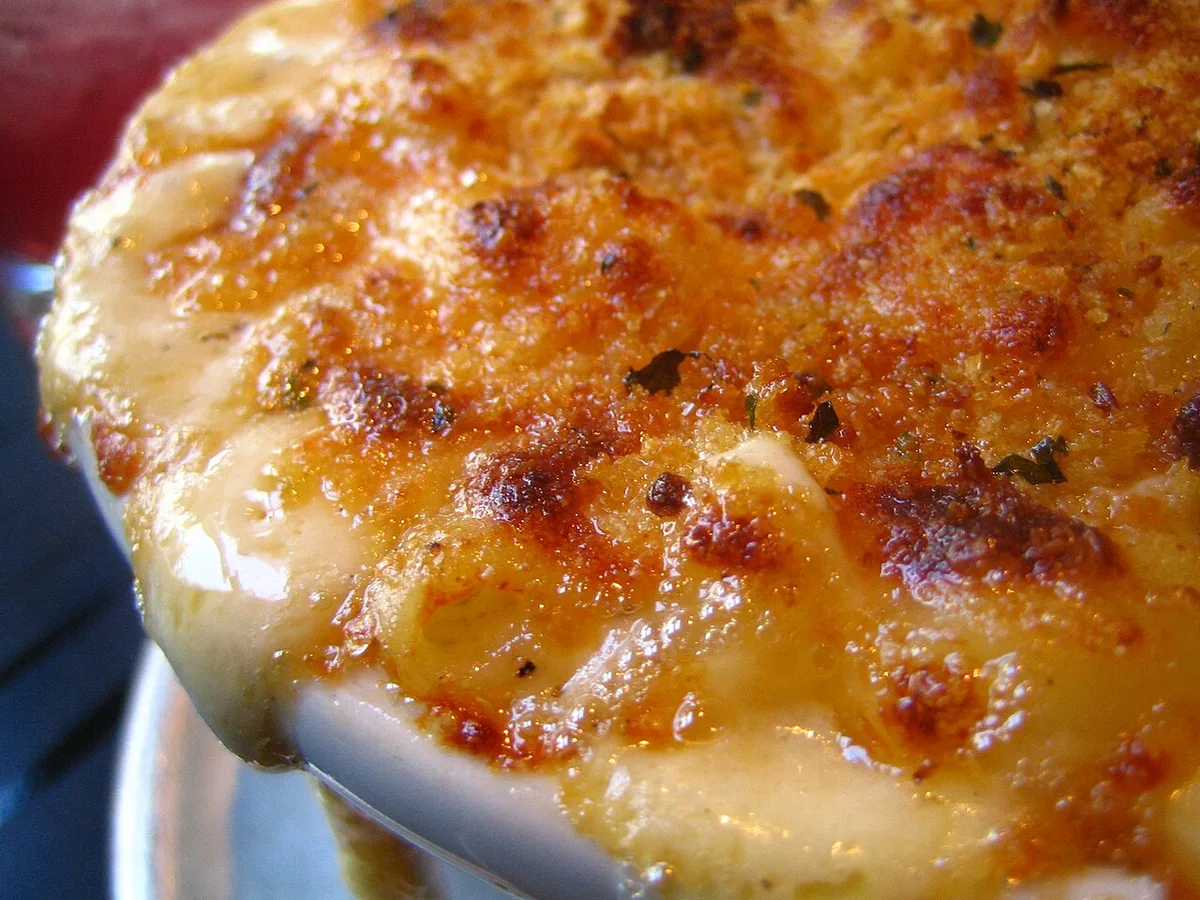
Image source: Wikimedia Commons / Rick Audet from San Francisco, California, United States (CC BY)
The key to keeping breading intact in the air fryer is a light spray of oil on both sides after coating. Without it, the circulating air can blow the breading right off. A thin mist is all you need.
Beer Batter (Air Fryer Adapted)
Traditional beer batter doesn't work in an air fryer the same way it does in a deep fryer. But you can get close by making a thicker batter, almost like a tempura, and spooning it over the fillet rather than dipping. Mix half a cup of flour, half a cup of cold beer, a pinch of salt, and a teaspoon of baking powder.
It won't be identical to deep-fried batter, but it crisps up nicely at 400°F in about 10 minutes.
Seasoning Blends That Work
If you're skipping the breading and going with a simple seasoned fillet, these combinations are proven winners:
- Cajun: Paprika, cayenne, garlic powder, onion powder, oregano, thyme, black pepper
- Lemon Pepper: Lemon zest, black pepper, garlic powder, onion powder, a touch of salt
- Old Bay: The classic seafood seasoning. It's already balanced, so just sprinkle generously on both sides.
- Garlic Butter: Melted butter, minced garlic, parsley, and a squeeze of lemon. Brush on after cooking.
- Blackened: Smoked paprika, cayenne, onion powder, garlic powder, oregano, thyme. Best with a light oil coating and high heat at 400°F.
Image source: Bing (Web (fair-use with source credit))
Low-Carb and Gluten-Free Options
Almond flour mixed with Parmesan and Italian seasoning makes an excellent keto-friendly crust. Coconut flour works too, though it absorbs more moisture and can taste slightly sweet. Crushed pork rinds are another option that gets surprisingly crispy in the air fryer and adds a savory, almost bacon-like flavor.
For a detailed look at air fryer models that handle coated and breaded foods especially well, check out our guide on Is Instant Vortex Air Fryer Good, which covers how different basket designs affect coating adhesion and crispiness.
Air Fryer Pollock Tacos: A Complete Recipe
Pollock fish tacos are one of the best reasons to keep a bag of frozen fillets on hand. The air fryer gets the fish crispy on the outside while staying tender and flaky inside, and the whole thing comes together in about 15 minutes.
For the fish:
- 4 pollock fillets (fresh or frozen, about 1 lb total)
- 1 tablespoon olive oil or avocado oil
- 1 teaspoon chili powder
- 1 teaspoon cumin
- 1/2 teaspoon smoked paprika
- 1/2 teaspoon garlic powder
- Salt and pepper to taste
For the tacos:
- 8 small corn or flour tortillas
- 1 cup shredded cabbage or slaw mix
- 1/4 cup fresh cilantro, chopped
- 1 lime, cut into wedges
- 1/3 cup sour cream or Greek yogurt
- Hot sauce or salsa of your choice
Method:
- Season the pollock fillets on both sides with chili powder, cumin, smoked paprika, garlic powder, salt, and pepper.
- Cook in the air fryer at 400°F for 8 to 10 minutes if thawed, or 12 to 14 minutes if frozen. Flip halfway through.
- Once the fish is opaque and flakes easily, remove and let it rest for 2 minutes.
- Break the fillets into large chunks with a fork. Don't shred them. You want bite-sized pieces with some crispy edges intact.
- Warm the tortillas in a dry skillet or directly over a gas burner for about 15 seconds per side.
- Assemble: cabbage on the bottom, pollock chunks, cilantro, a squeeze of lime, and a drizzle of sour cream with hot sauce.
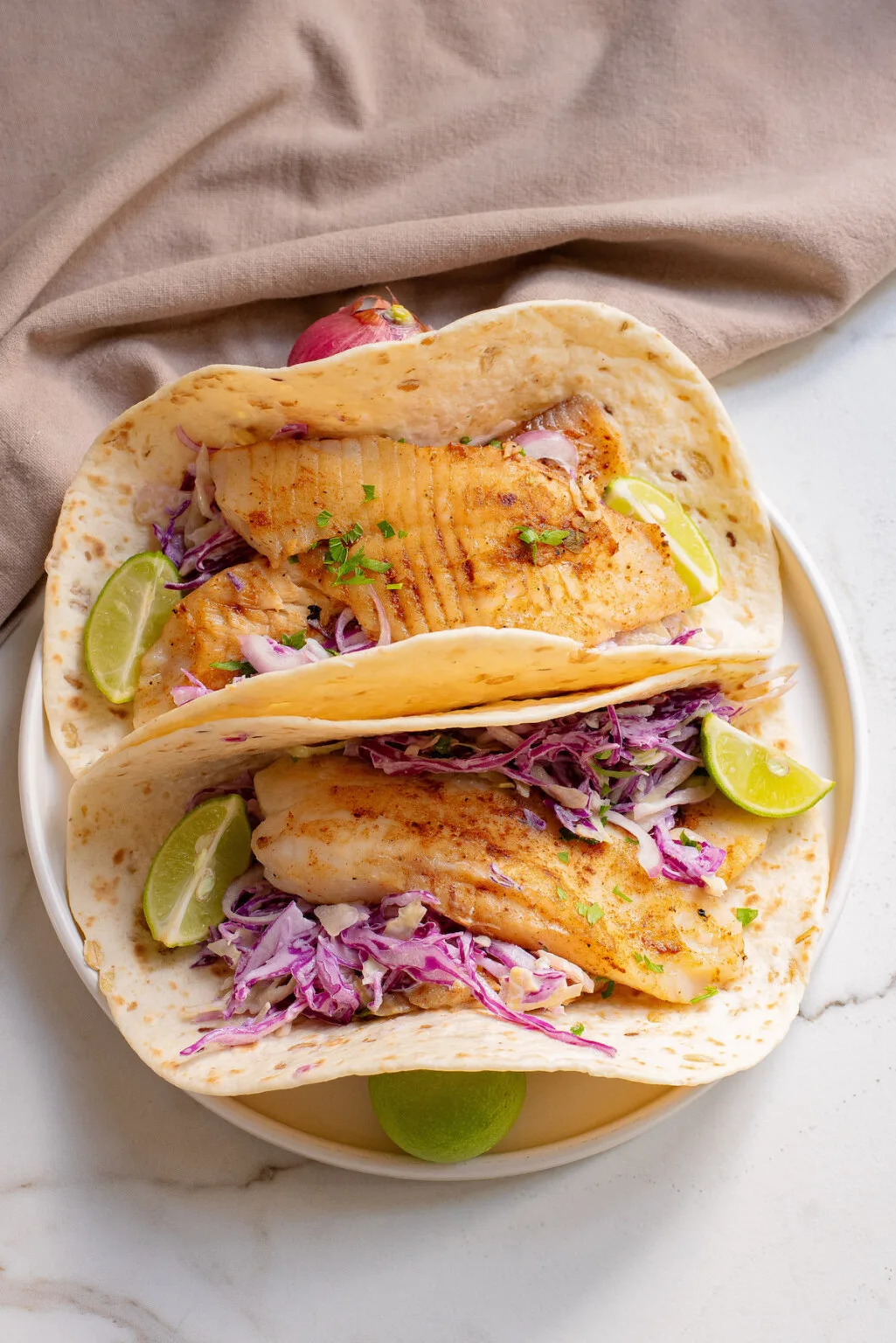
Image source: Bing (Web (fair-use with source credit))
The chili lime variation is worth trying too. Swap the cumin and chili powder for Tajín seasoning and finish with fresh lime juice right after the fish comes out of the air fryer. The acid brightens everything up and cuts through the richness of the crispy coating.
For the crema, mix sour cream with lime zest, a pinch of salt, and a splash of milk until it's drizzle-consistent. It's a small step that makes the tacos feel restaurant-quality.
Air Fryer Fish and Chips Using Pollock
Fish and chips is the dish that made pollock famous in the first place. It's the go-to fish for British-style chip shops and American frozen fish counters alike. The air fryer version won't replicate a deep fryer exactly, but it gets surprisingly close with a fraction of the oil and mess.
For the fish:
- 4 pollock fillets (thawed, patted dry)
- 1/2 cup all-purpose flour
- 2 eggs, beaten
- 1 cup panko breadcrumbs
- 1/2 teaspoon salt
- 1/2 teaspoon black pepper
- Cooking oil spray
For the chips:
- 2 large russet potatoes, cut into 1/4-inch fries
- 1 tablespoon olive oil
- Salt to taste
Method:
- Start the fries first. Toss the cut potatoes with olive oil and salt. Air fry at 400°F for 18 to 22 minutes, shaking the basket every 6 minutes. They should be golden and crispy when done.
- While fries cook, bread the fish. Set up your dredge station: flour in one dish, beaten egg in another, panko mixed with salt and pepper in the third.
- Dredge each fillet: flour first, then egg, then panko. Press the breadcrumbs firmly onto both sides.
- Spray both sides lightly with cooking oil. This is what makes the coating turn golden instead of pale.
- Cook the fish at 400°F for 10 to 12 minutes, flipping once at the halfway point. The coating should be deep golden and crispy.
- Season the fries with more salt as soon as they come out.
- Serve immediately with tartar sauce, malt vinegar, or lemon wedges.
The trick to making this work in one air fryer is timing. Start the fries first since they take longer, then cook the fish during the last 12 minutes. If your air fryer is large enough, you can cook both at the same time by placing the fries on the bottom rack and the fish on top.
Just shake the fries when you flip the fish.
For a tartar sauce that actually tastes good, mix 1/2 cup mayonnaise with 2 tablespoons finely chopped dill pickles, 1 tablespoon capers, 1 teaspoon lemon juice, and a pinch of Dijon mustard. It takes 2 minutes and blows the store-bought stuff out of the water.
Common Mistakes That Ruin Air Fryer Pollock (And How to Fix Them)
Even experienced home cooks run into the same handful of problems with air fryer pollock. Here's what goes wrong most often and exactly how to fix it.
Overcrowding the basket. This is the number one mistake. When fillets overlap or touch, steam gets trapped between them and the coating turns soggy instead of crispy. Always cook in a single layer with space between fillets.
If you need to cook more than your basket holds, do it in batches. It takes an extra 10 minutes but the texture difference is dramatic.
Skipping the preheat. A cold air fryer doesn't hit full temperature for the first 2 to 3 minutes. That means your fish spends those minutes sitting in lukewarm air, releasing moisture, and getting soggy before the crisping even starts. Preheat for 3 minutes at your target temperature every single time.
Not patting the fish dry. Pollock holds a lot of surface moisture, especially if it's been frozen. That moisture is the enemy of crispy coatings. Press fillets firmly with paper towels on both sides before seasoning or breading.
It takes 30 seconds and makes a noticeable difference.
Cooking at the wrong temperature. Below 375°F, pollock steams. Above 400°F, the outside burns before the center cooks through. The sweet spot is 380°F to 400°F for most models.
If your air fryer runs hot, start at 375°F and adjust up.
Overcooking. Pollock fillets are thin. A half-inch fillet at 400°F can go from perfectly flaky to dry and rubbery in about 2 minutes. Start checking at 7 minutes for thawed fillets and 11 minutes for frozen.
Use an instant-read thermometer. Pull the fish at 145°F and let carryover cooking handle the rest.
Breading that blows off. The air fryer's fan is strong enough to dislodge dry breading. The fix is twofold: use the flour-egg-breadcrumb dredge method for maximum adhesion, and spray a light coat of oil over the breadcrumbs once they're on the fish. The oil weighs the coating down and helps it crisp.
Forgetting to flip. The bottom of the fillet gets more direct heat in most air fryer baskets. If you don't flip halfway through, you'll get an uneven result, crispy on the bottom and soft on top. Set a timer for the halfway point so you don't forget.
Pollock vs. Cod vs. Tilapia: Which White Fish Works Best in the Air Fryer?
All three of these mild white fish work in the air fryer, but they're not identical. Here's how they stack up.
| Factor | Pollock | Cod | Tilapia |
|---|---|---|---|
| Fillet thickness | 1/2 to 3/4 inch | 3/4 to 1-1/4 inches | 1/2 to 3/4 inch |
| Air fryer cook time (thawed) | 8 to 10 min | 10 to 14 min | 7 to 9 min |
| Flavor | Very mild, slightly sweet | Mild, clean | Mild, slightly earthy |
| Texture | Soft, flaky | Firm, large flakes | Firm, slightly dense |
| Price per lb (frozen, US) | $3 to $6 | $8 to $14 | $4 to $7 |
| Best for | Breaded, tacos, fish sticks | Fish and chips, grilling | Tacos, blackened, stir-fry |
| Mercury level | Very low (FDA Best Choice) | Low (FDA Good Choice) | Very low (FDA Best Choice) |
| Sustainability | MSC certified | Varies by source | Farmed, varies by source |
Pollock wins on price and sustainability. It's the most budget-friendly option by a wide margin, and the Alaska pollock fishery is one of the most tightly managed in the world. For breaded recipes and fish sticks, pollock's soft texture actually works in your favor.
It practically melts in your mouth once the crispy coating breaks through.
Cod is the better choice when you want a thick, meaty fillet that holds together on a plate. It's the classic fish and chip fish for a reason. But it costs roughly twice as much as pollock and takes longer to cook, which narrows the air fryer's speed advantage.
Tilapia cooks the fastest of the three and has a slightly firmer texture that holds up well in tacos and blackened preparations. The downside is that most tilapia is farmed, and farming practices vary widely in quality. If sustainability matters to you, pollock is the safer bet.
For most air fryer applications, especially breaded and seasoned fillets, pollock delivers the best combination of price, flavor, and cook speed. It's the fish we'd reach for on a busy weeknight when dinner needs to be on the table in under 20 minutes.
If you're cooking for a larger household and need an air fryer with enough capacity to handle multiple fillets in one batch, our guide on the Best 9 Quart Air Fryer For Big Family covers models with the basket space to make that practical.
Nutrition, Mercury, and Sustainability: Is Pollock Actually a Good Choice?
Pollock checks nearly every box when it comes to healthy, sustainable seafood. Here's the breakdown.
Nutrition per 4 oz raw serving of Alaska pollock:
- Calories: 100
- Protein: 20 g
- Total fat: 1 g
- Saturated fat: 0 g
- Cholesterol: 80 mg
- Sodium: 100 mg (unbreaded)
- Omega-3 fatty acids: 0.5 g
It's one of the leanest protein sources you can eat. For context, the same serving of salmon has about 175 calories and 10 grams of fat, along with more omega-3s. If your priority is high protein with minimal calories and fat, pollock is hard to beat.
Mercury levels are very low. The FDA and EPA jointly classify Alaska pollock as a "Best Choice" fish, meaning it's safe for pregnant women, breastfeeding mothers, and young children to eat 2 to 3 servings per week. The advisory is based on average mercury concentrations below 0.15 parts per million, which is well within the safest category.
Sustainability is where pollock really stands out. The Alaska pollock fishery in the Bering Sea and Gulf of Alaska is the largest certified sustainable fishery in the United States. It's managed by the National Oceanic and Atmospheric Administration (NOAA) under strict catch limits that are adjusted annually based on stock assessments.
The Marine Stewardship Council has certified the fishery since 2005, confirming that harvest rates are sustainable and that the ecosystem impact is minimal.
By comparison, cod sustainability varies significantly by region. Atlantic cod stocks in some areas are still recovering from decades of overfishing. If you see "Pacific cod" or "Alaska cod," those are generally well-managed.
But pollock's certification is more consistent and easier to verify at the grocery store.
One thing to watch for is the difference between Alaska pollock and Atlantic pollock, sometimes labeled as coalfish or saithe. They're related but different species. Alaska pollock is the one with the MSC certification and the lower price point.
Atlantic pollock is more common in European markets and has a slightly stronger flavor. Both work in the air fryer, but Alaska pollock is what you'll find in most US grocery stores.
How to Tell When Pollock Is Done Without Overcooking It
Pollock goes from perfect to overcooked in about 90 seconds. That's not an exaggeration. A half-inch fillet at 400°F can hit 145°F and then climb to 160°F before you've pulled it out of the basket.
Knowing exactly when to pull it is the single most important skill for air fryer pollock.
The thermometer method is the most reliable. Insert an instant-read thermometer into the thickest part of the fillet. The FDA recommends 145°F as the safe minimum internal temperature for all fish. Pull pollock at exactly 145°F.
Carryover cooking will bring it up another 3 to 5 degrees while it rests.
The flake test works if you don't have a thermometer. Press the center of the fillet gently with a fork. If the flesh separates into clean, opaque flakes, it's done. If it still looks translucent or resists flaking, give it another minute.
If the flakes are falling apart and the edges look dry and curled, you've gone too long.
Visual cues to watch for:
- The flesh turns from translucent pink-white to solid opaque white
- The coating, if breaded, turns deep golden brown
- The edges of the fillet start to pull away slightly from the basket
- A small amount of clear liquid may pool on the surface
One trick that helps is to pull the fillet a minute early and let it rest on a plate for 2 minutes. The residual heat in the fish will continue cooking the center. If it's still underdone after resting, you can always put it back in for 60 seconds.
You can't undo overcooking.
Reheating and Storing Leftover Air Fryer Pollock
Leftover air fryer pollock is edible, but it's never quite as good as fresh. The coating softens in the refrigerator and the flesh dries out a bit. That said, with the right reheating method, you can get close.
Storage: Let cooked pollock cool to room temperature, then transfer to an airtight container. Refrigerate for up to 2 days. Don't leave it out for more than 2 hours after cooking.
Fish spoils faster than most proteins.
Reheating in the air fryer: This is the best method by far. Set the air fryer to 350°F and cook for 3 to 4 minutes. The circulating air re-crisps the coating and warms the flesh without cooking it further.
Don't go above 350°F or you'll dry the fish out.
Reheating in the microwave: We don't recommend it. The microwave makes the coating soggy and the flesh rubbery. If it's your only option, use 50% power in 30-second intervals and eat it immediately.
Reheating in the oven: A conventional oven at 350°F for 6 to 8 minutes works fine if you don't want to pull out the air fryer for just a fillet or two. Place the fish on a wire rack over a sheet pan so air circulates underneath.
Leftover pollock works well broken up and tossed into salads, grain bowls, or wrapped in a tortilla with slaw and lime crema. It doesn't have to be a reheated version of the original meal.
Expert Tips for Perfect Air Fryer Pollock Every Time
These are the small details that separate decent air fryer pollock from genuinely great pollock.
Use parchment air fryer liners. They prevent sticking, make cleanup instant, and don't block airflow the way foil does. Cut them to fit your basket with a small hole in the center for air circulation.
Invest in an oil mister. Aerosol cooking sprays contain lecithin and other additives that can gummy up your air fryer basket over time. A refillable oil mister gives you a pure, even coat of oil without the residue. Avocado oil works best because of its high smoke point at 520°F.
Season the fish, not just the coating. If you're breading pollock, sprinkle a little salt and pepper directly on the fillet before dredging. It seasons the fish itself, not just the crust. This makes a noticeable difference in every bite.
Don't skip the flip. Even in a convection air fryer, the bottom of the fillet gets more direct heat. Flipping at the halfway point ensures even browning and prevents the top from staying pale.
Cook in batches, not piles. If you're making pollock for four people, cook two batches of two fillets rather than cramming four into the basket. The extra 10 minutes is worth the texture improvement.
Let the fish rest for 2 minutes after cooking. Just like meat, fish benefits from a brief rest. The internal temperature evens out, the fibers relax, and the juices redistribute. Cutting into it immediately releases all that moisture onto the plate.
For air fryer maintenance tips that keep your appliance performing at its best for recipes like this, our guide on the Best 8 Qt Air Fryer Easy To Clean covers models with dishwasher-safe parts and non-stick coatings that make post-fish cleanup painless.
Frequently Asked Questions About Cooking Pollock in the Air Fryer
Do you need to thaw pollock before air frying?
No. Pollock cooks well straight from frozen. Add 3 to 4 extra minutes to the cook time and make sure to pat off any surface ice with paper towels before seasoning.
Thawing gives slightly better coating adhesion for breaded recipes, but the convenience of cooking from frozen is hard to beat on a weeknight.
What temperature should you cook pollock in the air fryer?
380°F to 400°F is the ideal range. Use 400°F for frozen fillets and thinner pieces. Drop to 380°F for thicker fresh fillets or when using a coating that browns quickly.
Never go below 375°F or the fish will steam instead of crisp.
How long does pollock take in the air fryer?
Thawed fillets take 8 to 10 minutes at 380°F to 400°F. Frozen fillets take 12 to 14 minutes at 400°F. Always check for an internal temperature of 145°F and look for opaque, flaky flesh before serving.
Is pollock healthy to eat regularly?
Yes. Alaska pollock is low in mercury, high in protein, and low in calories and fat. The FDA lists it as a "Best Choice" fish, recommending 2 to 3 servings per week for all age groups, including pregnant women and children.
It's also one of the most sustainable seafood options available.
Can you put frozen breaded pollock in the air fryer?
Absolutely. Brands like Gorton's and Captain Highliner are designed for oven cooking but actually crisp up better in the air fryer. Cook at 400°F for 12 to 15 minutes, flipping halfway.
Spray the basket lightly with oil first to prevent sticking.
Why does the breading fall off my pollock in the air fryer?
The air fryer's fan blows loose breading right off the fillet. Use the full flour-egg-breadcrumb dredge method for maximum adhesion. After breading, spray both sides lightly with oil.
The oil weighs the coating down and helps it stick during cooking. Also make sure the fillet is patted dry before starting the dredge.