
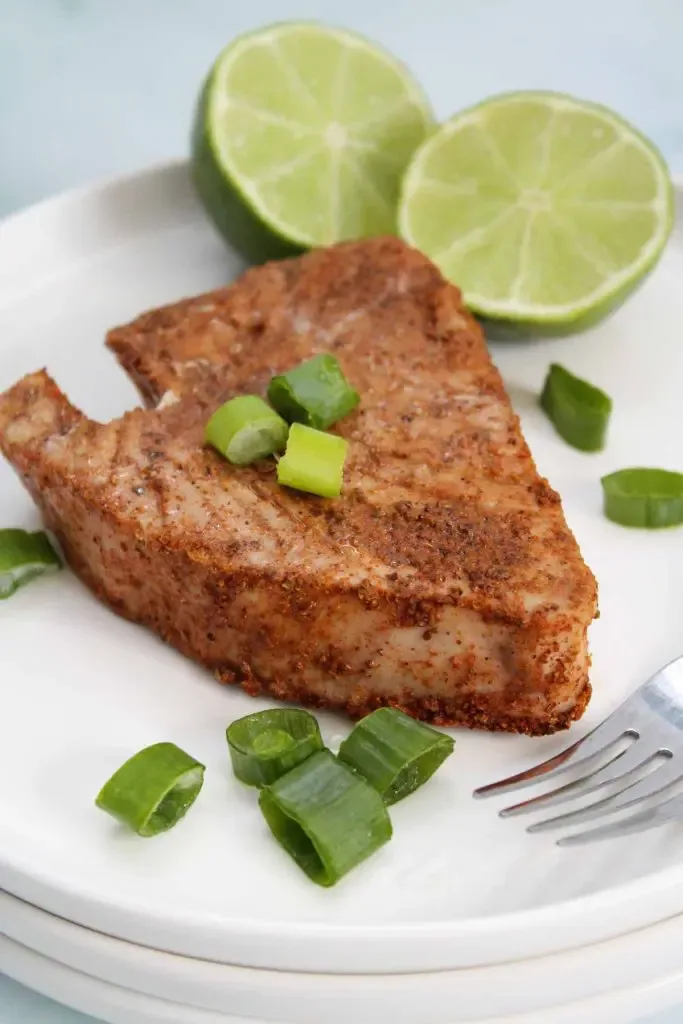
There's a reason a tuna steak recipe air fryer has become one of the most-searched fish preparations in home kitchens. It's fast, it's relatively mess-free, and when you get the timing right, you get a beautifully seared steak with a tender, restaurant-quality center in under 10 minutes.
The catch is that tuna punishes guesswork. The difference between a perfect medium-rare and a dry, chalky disappointment can be as little as 90 seconds in the air fryer. Let's walk through exactly how to nail it every time.
Quick Answer
A tuna steak recipe air fryer takes about 6 to 10 minutes total. Set your air fryer to 400°F. Cook a 1-inch steak 6 to 8 minutes for medium-rare.
Check the internal temperature. It should read 125°F for medium-rare.
Why Air Fryer Tuna Steaks Are Worth Making (And Where Most People Go Wrong)
Air fryers cook tuna steaks faster than a cast iron skillet and with far less oil splatter than pan-searing on the stovetop. The circulating hot air hits the steak from all sides, which means you get an even sear without constantly flipping or worrying about hot spots.
Here's where people mess it up. They treat tuna like chicken or salmon and cook it until it's "done" by conventional standards. Tuna is different.
Most people want it rare to medium-rare in the center, and the USDA recommends fish reach an internal temperature of 145°F for food safety. That creates a real tension. If you pull your tuna at 145°F, you've got a dry, overcooked steak that misses the whole point of buying a quality cut.
The solution is sourcing. If you buy sushi-grade or sashimi-grade tuna, the fish has already been frozen to FDA Food Code standards (minus 4°F for 7 days or minus 31°F for 15 hours) to address parasite concerns. That means cooking it to a lower internal temperature is a calculated, informed choice that millions of home cooks make.
The key is knowing what you're buying and adjusting your expectations accordingly.
Another common mistake is skipping the preheat. An air fryer needs 3 to 5 minutes at temperature before the steak goes in. Without that, the first minute or two of cooking is really just warming the fish rather than searing it, and you lose that contrast between the crust and the center that makes tuna steaks worth eating.
What Kind of Tuna Should You Buy for an Air Fryer?
Not all tuna steaks are created equal, and the variety you pick affects everything from flavor to cook time to how safe it is to eat rare.
Yellowfin (ahi) is the most common choice for air fryer recipes. It's widely available, reasonably priced at around $18 to $25 per pound, and has a clean, mild flavor that takes well to marinades. When you see "ahi tuna" at the grocery store or a seafood counter, that's yellowfin.
Bluefin is the premium option. It's richer, fattier, and significantly more expensive, often $30 to $50 or more per pound. Bluefin is what you'd order at a high-end sushi restaurant.
It works beautifully in an air fryer, but the high fat content means it can feel almost buttery even with a short cook time.
Albacore is the most budget-friendly option and the one you'll find most often in canned form. Fresh albacore steaks are available but less common. They're lighter in color and milder in flavor.
The FDA and EPA joint advisory on mercury in fish notes that albacore has higher mercury levels than light tuna, so pregnant women, nursing mothers, and young children should limit consumption.
For air fryer cooking, yellowfin is the sweet spot for most people. It's affordable, easy to find, and holds up well to the dry heat environment. Look for steaks that are deep red to dark pink, firm to the touch, and free of any brown discoloration or fishy ammonia smell.
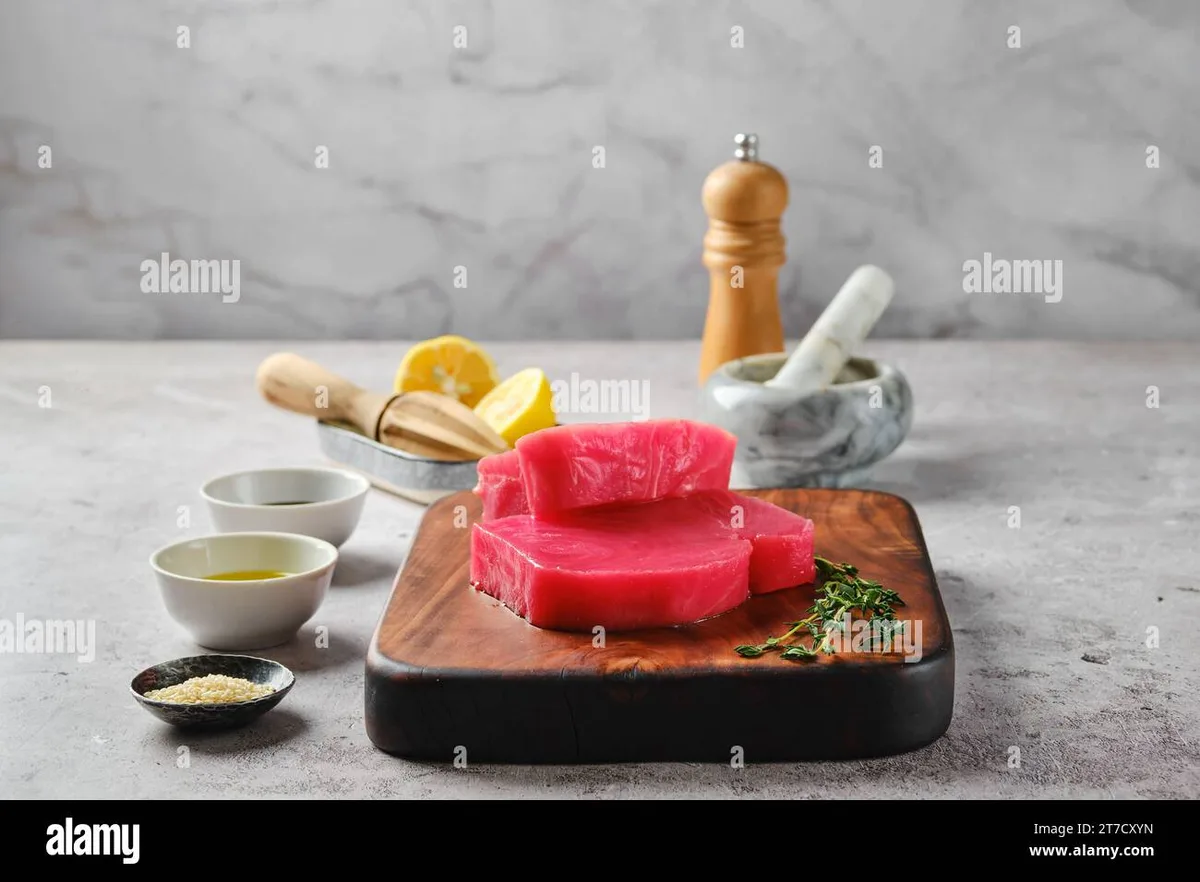
If you're shopping at a store like Costco, Whole Foods, or a quality Asian grocery market, ask the fishmonger specifically for steaks that are at least 1 inch thick. Thinner steaks, under ¾ inch, cook so fast in an air fryer that they're almost impossible to get right without overcooking.
The Only Tuna Steak Timing Chart You'll Ever Need
Timing is everything with tuna in an air fryer. The table below covers the most common scenarios, assuming a 400°F cooking temperature and a properly preheated air fryer.
| Steak Thickness | Doneness | Internal Temp | Total Cook Time | Flip at |
|---|---|---|---|---|
| ¾ inch | Rare | 115-120°F | 4-5 min | 2.5 min |
| ¾ inch | Medium-rare | 125°F | 5-6 min | 3 min |
| 1 inch | Rare | 115-120°F | 5-6 min | 3 min |
| 1 inch | Medium-rare | 125°F | 6-8 min | 4 min |
| 1 inch | Medium | 130-135°F | 8-9 min | 4.5 min |
| 1½ inches | Medium-rare | 125°F | 8-10 min | 5 min |
| 1½ inches | Medium | 130-135°F | 10-12 min | 6 min |
A few things to keep in mind. Air fryer wattage varies between 1400W and 1800W, and lower-wattage models may need an extra minute or two. Oven-style air fryers with a door tend to retain more heat than basket-style models, so they can cook slightly faster.
And if your steak is straight from the refrigerator, add about 1 minute to the times above. A steak at room temperature cooks more evenly than a cold one.
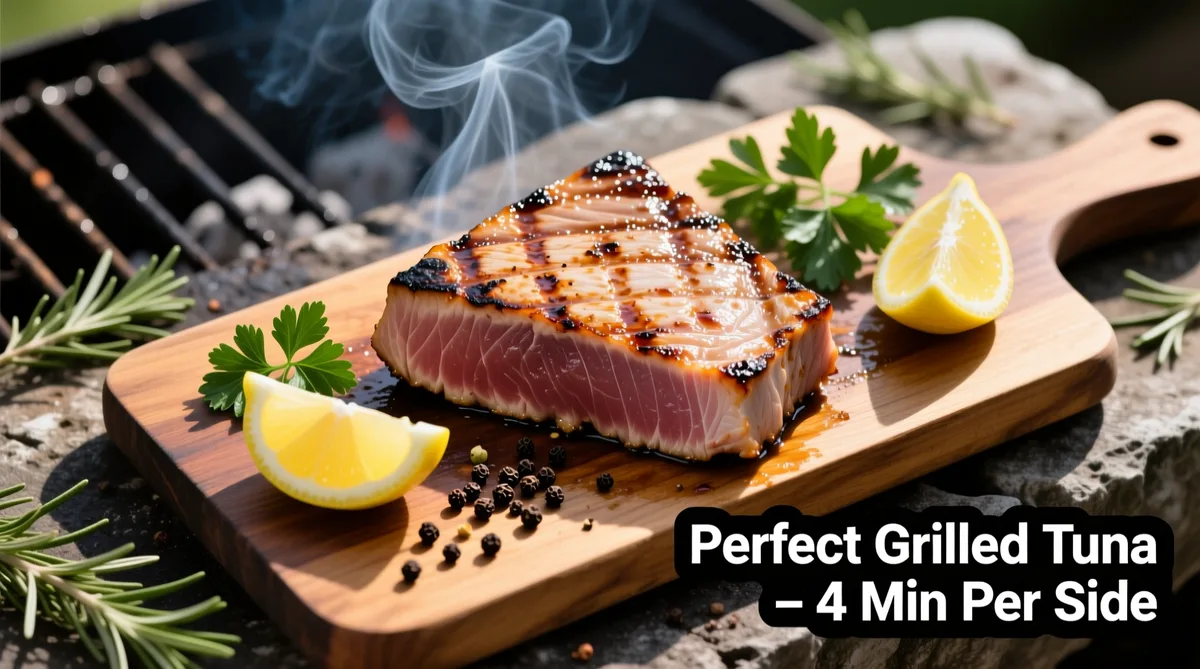
The most reliable approach is to start checking temperature 1 to 2 minutes before the minimum time listed. You can always cook a steak longer. You cannot un-cook one.
How to Prep Tuna Steaks So They Actually Sear
Prep work takes about 5 minutes and makes the difference between a steak with a nice crust and one that steams in its own moisture.
Start by pulling the tuna steaks from the refrigerator 15 to 20 minutes before cooking. This takes the chill off and helps the center cook more evenly. While they're coming to room temperature, pat each steak thoroughly dry with paper towels on all sides.
Moisture is the enemy of a good sear. If the surface is wet, the air fryer's heat will evaporate that moisture before it can brown the exterior, and you'll end up with a pale, soft surface instead of a crust.
Next, season or marinate. A simple and reliable option is a soy-sesame glaze: 2 tablespoons soy sauce, 1 tablespoon sesame oil, 1 teaspoon honey or rice vinegar, and a pinch of black pepper. Brush this on lightly.
You don't want the steak swimming in liquid. If you're using a sesame crust, press black and white sesame seeds onto both sides of the steak after applying the glaze so they stick.
Lightly brush the steak with avocado oil or spray it with cooking oil. This helps the surface make contact with the hot air and promotes browning. Don't skip this step, even if your air fryer basket is non-stick.
A thin layer of oil is what creates that seared exterior.
One more thing. If your steaks have a thin tapered edge or a tail end, tuck it under itself or trim it. Thin edges overcook in about half the time the thick center does, and by the time the middle is perfect, the edges will be dry and tough.
Step-by-Step: How to Cook Tuna Steaks in an Air Fryer
Here's the full process from start to finish. It's straightforward, but each step matters.
Step 1: Preheat the air fryer to 400°F for 3 to 5 minutes. Most modern air fryers have a preheat function. If yours doesn't, just set it to 400°F and let it run empty for a few minutes. This is not optional.
A hot basket is what gives you that immediate sear on contact.
Step 2: Prep the tuna while the air fryer heats. Pat the steaks dry, season or glaze them, and brush with oil. Have everything ready to go the moment the air fryer is hot.
Step 3: Place the steak in the basket in a single layer. Do not stack or overlap steaks. Air fryers work by circulating hot air around the food, and if pieces are touching or piled, you block that airflow and get uneven cooking. If you're cooking for a crowd, work in batches.
If you need a larger capacity, check out options like a 9 qt air fryer for large batches that can handle multiple steaks at once.
Step 4: Set the timer based on the thickness chart above. Start with the lower end of the time range. For a 1-inch steak targeting medium-rare, set 6 minutes and flip at the 3-minute mark.
Step 5: Check the internal temperature with an instant-read thermometer. This is the single most important step. Insert the probe into the thickest part of the steak. For medium-rare, you're looking for 125°F.
If it's not there yet, cook in 1-minute increments and recheck.
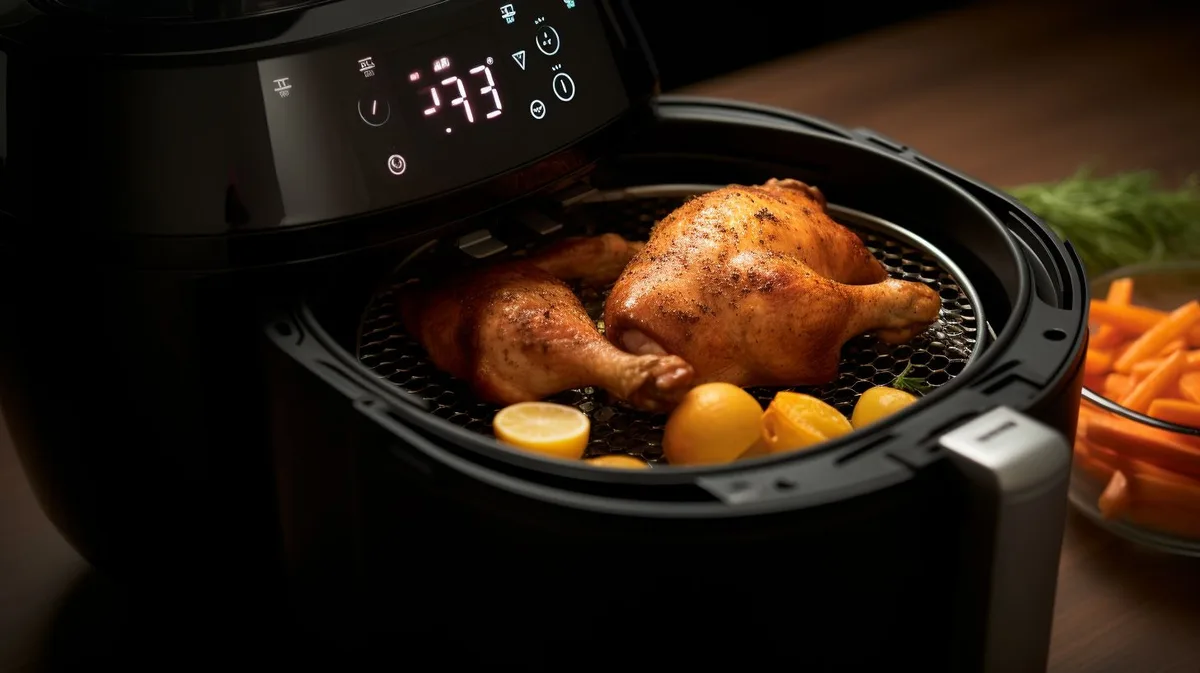
Step 6: Rest the steak for 2 to 3 minutes after cooking. Tuna continues to cook from residual heat after you pull it out. This carryover cooking can raise the internal temperature by 3 to 5 degrees, so pulling at 120°F to 122°F and resting to 125°F is a smart move.
Step 7: Slice against the grain and serve immediately. Use a sharp knife and cut perpendicular to the muscle fibers. This shortens the strands and makes each bite more tender.
The whole process, from pulling the tuna from the fridge to serving, takes about 20 minutes. That's faster than preheating an oven, faster than firing up a grill, and with a fraction of the cleanup. If you're looking for more quick air fryer dinner ideas, our air fryer bratwurst recipes follow a similar fast-cook approach.
The Internal Temperature Trick That Saves Every Steak
If you take one thing from this article, let it be this: buy an instant-read thermometer and use it every single time. A good instant-read thermometer removes all the guesswork from cooking tuna, and it's the single tool that separates consistent results from constant anxiety over whether the center is done.
Here's why this matters so much with tuna specifically. Unlike chicken where there's a wide safe zone, or beef where you have several degrees of wiggle room between rare and medium, tuna's ideal window is narrow. You want 125°F for medium-rare.
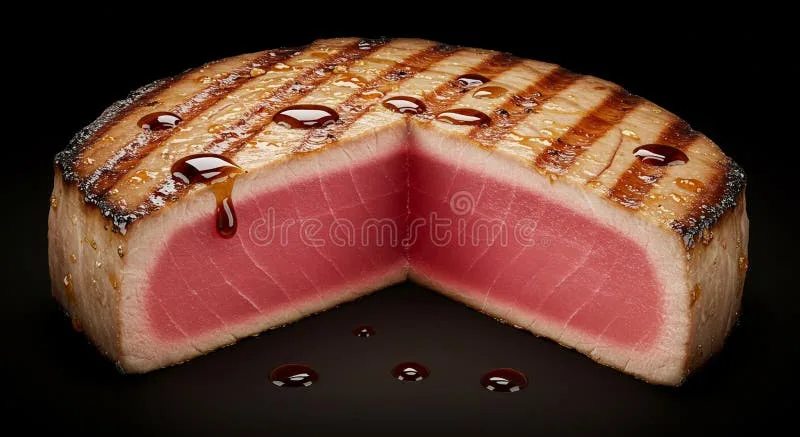
At 130°F, you're edging toward medium and the texture starts to firm up. At 140°F and above, the proteins have tightened so much that the steak feels dry and chalky, even though it's technically "safe."
The USDA recommends cooking all fish to 145°F. That's the official food safety line, and it's there for good reason for the general population. But with sushi-grade tuna that's been frozen to FDA Food Code parasite-destruction standards, many cooks intentionally target a lower temperature.
This is the same principle behind eating rare beef or raw fish at a sushi restaurant. The quality of your sourcing gives you the information to make that choice.
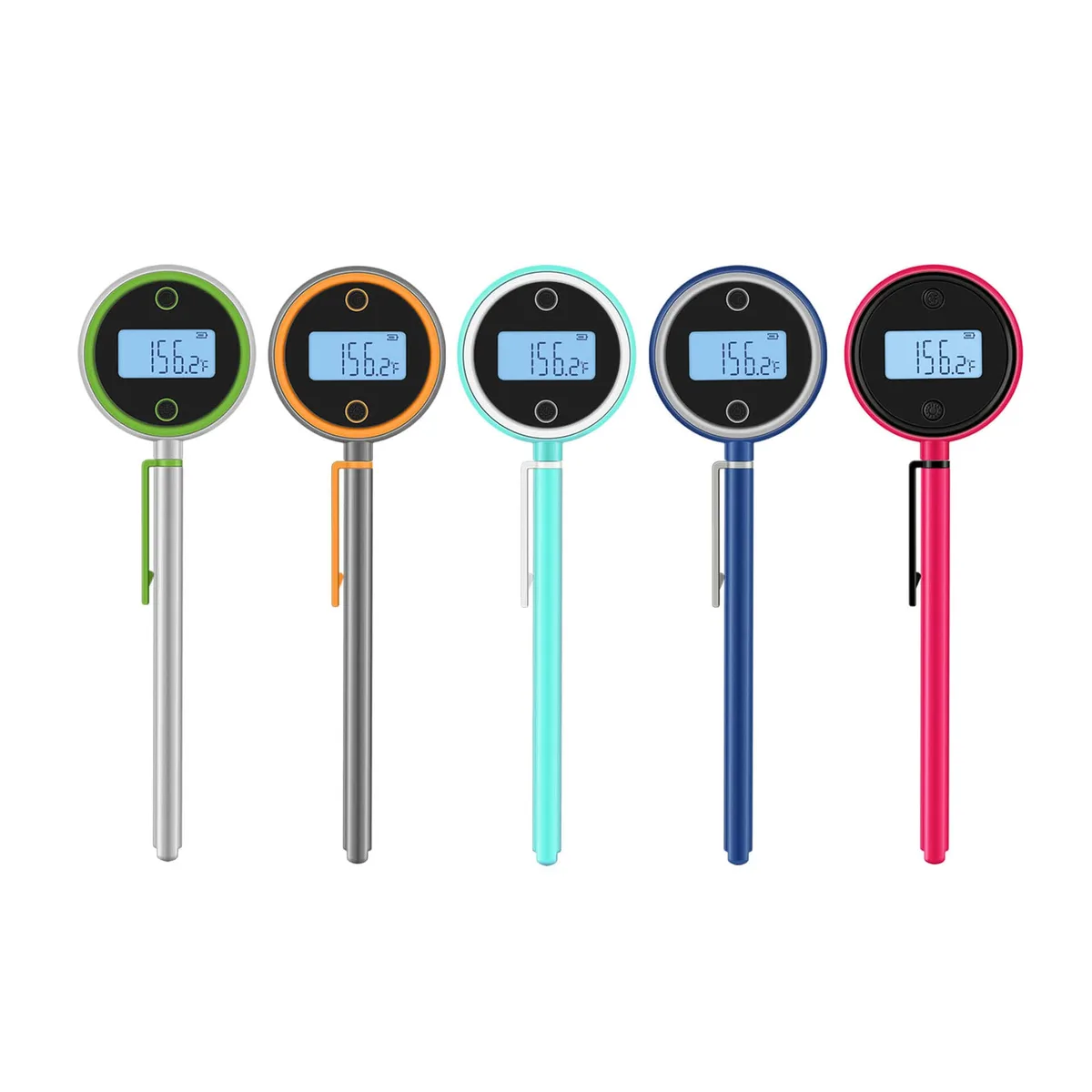
How to check correctly. Insert the thermometer probe into the thickest part of the steak from the side, pushing the tip into the center. Don't push all the way through to the cutting board.
You want to measure the middle, not the surface. Wait 2 to 3 seconds for the reading to stabilize.
Here's a pro tip that most recipes don't mention. Pull the steak when it's 3 to 5 degrees below your target. If you want 125°F at the table, pull it at 120°F to 122°F.
Carryover cooking during the rest period will bring it up. This technique alone prevents more overcooking than any timer ever could.
If you don't have a thermometer yet, this is the one kitchen tool that pays for itself immediately. You'll use it for chicken, steak, pork, and fish. It eliminates the "cut it open and peek" method that lets juices escape and gives you an incomplete picture of the center.
Marinades, Crusts, and Seasonings That Work Best in an Air Fryer
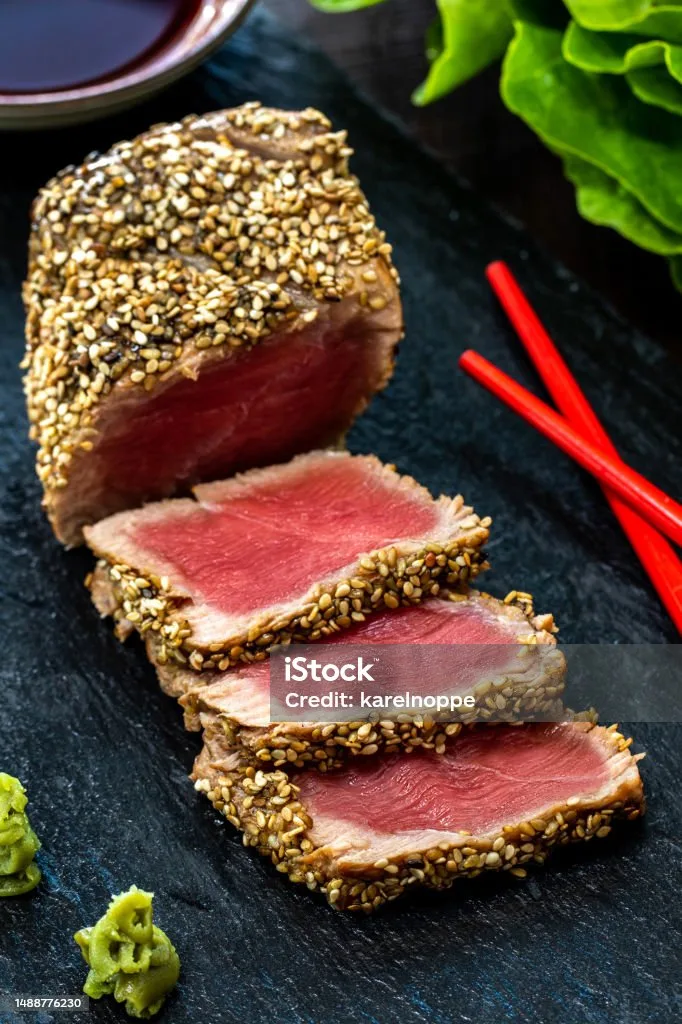
Image source: Bing (Web (fair-use with source credit))
Air fryers create a dry, intense heat environment. That means wet marinades that work beautifully in a pan or on a grill can steam or drip off in an air fryer before they have a chance to flavor the fish. The trick is to use concentrated, low-moisture flavorings that cling to the steak's surface.
The soy-sesame glaze is the go-to for good reason. Mix 2 tablespoons soy sauce, 1 tablespoon toasted sesame oil, 1 teaspoon rice vinegar, and ½ teaspoon grated ginger. Brush a thin layer on both sides.
The soy adds umami, the sesame oil adds richness, and the vinegar cuts through the fish's natural oils without making the surface soggy.
The sesame crust is the most popular finishing touch for ahi tuna. Use a mix of black and white sesame seeds, about 2 tablespoons total. Press them onto the steak after brushing with glaze.
The seeds toast in the air fryer's heat and add a nutty crunch that contrasts with the tender center. Don't coat the steak and then let it sit for 20 minutes. The seeds will absorb moisture and get soggy.
Coat and cook immediately.
A simple dry rub works if you want the pure tuna flavor to shine. Coarse black pepper, flaky sea salt, and a tiny bit of garlic powder. That's it.
No liquid needed. The air fryer's heat activates the spices and creates a peppery crust.
What to avoid. Thick teriyaki sauces, heavy citrus marinades, and anything with a lot of liquid. These drip through the basket, smoke, and leave the steak pale and wet.
If you love teriyaki flavor, reduce it on the stovetop first until it's syrupy, then brush a thin layer on the steak during the last minute of cooking.
If you want to explore more air fryer flavor techniques, our air fryer asparagus recipe with parmesan uses a similar light-coating approach that works well in the dry heat environment.
Air Fryer vs. Cast Iron vs. Grill: Which Makes the Best Tuna Steak?
Each method produces a genuinely different result. The "best" one depends on what you value most: crust quality, convenience, or smoky flavor.
| Factor | Air Fryer | Cast Iron Skillet | Outdoor Grill |
|---|---|---|---|
| Crust quality | Good, even sear | Best, deepest crust | Good with char marks |
| Convenience | High, set and monitor | Medium, active attention | Low, weather and setup |
| Smoke and mess | Minimal | Significant oil splatter | Outdoor smoke, cleanup |
| Cook time | 6-10 min | 4-6 min | 4-8 min |
| Indoor use | Yes | Yes | No |
| Ease of cleanup | Easy, basket wash | Moderate, oil cleanup | Grates and exterior |
| Best for | Quick weeknight dinners | Maximum crust and flavor | Summer cooking, smoky taste |
Cast iron wins on crust quality, full stop. A ripping-hot cast iron skillet with a thin layer of high-smoke-point oil creates the deepest, most flavorful Maillard reaction on tuna. The contact surface is solid and the heat is intense.
If you care most about that restaurant-style sear, cast iron is the move. The downside is the oil splatter. Tuna has moisture, and when it hits 400°F-plus oil, your stovetop is going to need a wipe-down.
The grill adds smokiness that neither indoor method can replicate. A charcoal or gas grill at high heat gives you beautiful char marks and a subtle wood-fired flavor. The problem is that tuna steaks are delicate and can stick to grates, and you need to oil both the grates and the fish carefully.
Grilling also depends on weather, which limits its practicality for a Tuesday night.
The air fryer is the convenience champion. It's indoors, it's consistent, it's fast, and cleanup takes about 2 minutes. The crust isn't as aggressive as cast iron, but it's far better than most people expect.
For a weeknight when you want a great tuna steak without the fuss, the air fryer is the most practical choice.
If you're trying to decide between an air fryer and another appliance for your kitchen, our comparison of the Instant Pot vs. air fryer breaks down which one handles more cooking styles.
Common Mistakes That Ruin Air Fryer Tuna Steaks
Overcooking is the number one problem. Tuna goes from perfect to dry faster than almost any other protein. A 1-inch steak at 400°F is medium-rare at 6 to 8 minutes. Leave it in for 10 and you've got a medium-well hockey puck.
Always start with the lower end of the time range and check temperature early.
Skipping the dry step. If the steak surface is wet when it hits the hot air, that moisture has to evaporate before browning can begin. You lose 1 to 2 minutes of effective searing time, and the exterior ends up pale and soft instead of crisp. Pat the steak dry with paper towels on every side.
It takes 30 seconds and makes a real difference.
Not preheating the air fryer. A cold basket means the first minute or two of cooking is just warming the fish. You lose the immediate sear that creates the crust-to-center contrast. Preheat for 3 to 5 minutes at 400°F.
Every reliable air fryer recipe starts this way, and tuna is no exception.
Stacking steaks in the basket. Air fryers need airflow to work. If steaks overlap or touch, the hot air can't circulate around all surfaces, and you get uneven cooking with raw spots next to overcooked edges. Cook in batches if needed.
If you find yourself regularly cooking for multiple people, a dual basket air fryer lets you run two separate zones at once.
Using a thick, wet marinade. Heavy sauces drip, smoke, and prevent browning. Stick with thin glazes or dry rubs. If you want to marinate the tuna for flavor, do it for 15 to 20 minutes max, then pat it dry before it goes in the air fryer.
Cooking straight from the refrigerator. A cold steak has a cold center, and the exterior will overcook before the middle reaches your target. Let the tuna sit on the counter for 15 to 20 minutes before cooking. This is especially important for steaks that are 1 inch or thicker.
What to Serve With Air Fryer Tuna Steaks
Tuna steak is rich and meaty, so the best sides are ones that add freshness, acidity, or crunch without competing for attention.
A simple Asian-inspired bowl is the most popular pairing. Serve sliced tuna over steamed jasmine rice with sliced avocado, cucumber, pickled ginger, and a drizzle of soy sauce or ponzu. This is the poke-bowl approach, and it works beautifully because the cool, crisp toppings contrast with the warm, savory steak.
A bright salad is another strong option. Mixed greens with a sesame-ginger vinaigrette, thinly sliced radishes, and edamake. The acidity from the dressing cuts through the richness of the tuna and keeps the meal feeling light.
Roasted vegetables round out the plate well. Asparagus, broccolini, or snap peas roasted at 400°F in the same air fryer (while the steak rests) take about 8 minutes and require almost no extra effort. If you want a heartier side, roasted sweet potatoes or a simple quinoa pilaf work too.
For a sauce, keep it simple. Wasabi mixed with soy sauce, a squeeze of fresh lime, or a drizzle of spicy mayo. You don't want to overpower the tuna's flavor with something heavy.
Can You Cook Frozen Tuna Steaks in an Air Fryer?
Yes, but the results are noticeably different from fresh. Frozen tuna steaks work in a pinch, and the air fryer handles them better than a skillet because the circulating air thaws and cooks more evenly.
The best approach is to thawed the steaks first. Move them from the freezer to the refrigerator the night before, or place them in a sealed bag in cold water for 30 to 60 minutes. Once thawed, pat them very dry (frozen tuna releases more moisture than fresh) and follow the same process as fresh steaks.
If you need to cook from frozen, add 3 to 4 minutes to the cook time and expect a less consistent sear. The exterior will take longer to brown because the surface is literally frozen solid when it hits the hot air. You can also start at a lower temperature (350°F) for the first few minutes to thaw the center, then crank it to 400°F for the final few minutes to develop a crust.
One important note. If you're cooking from frozen and plan to eat the tuna rare or medium-rare, make sure the steaks were sushi-grade before freezing. The FDA Food Code parasite-destruction freeze standards must have been met at the source.
Not all frozen tuna meets this threshold.
Storing and Reheating Leftover Tuna Without Ruining It
Tuna steak is best eaten immediately after cooking. That said, life happens and leftovers happen with it.
Store leftover tuna in an airtight container in the refrigerator for up to 2 days. Let it cool to room temperature before sealing the container so condensation doesn't make the surface soggy.
Here's the honest truth about reheating. Tuna does not reheat well in a microwave. The microwave heats unevenly and tends to cook the exterior further while the center stays cold, leaving you with a steak that's overcooked on the edges and cold in the middle.
If you must reheat, use a skillet over medium-low heat for 1 to 2 minutes per side, just enough to warm it through without cooking it further.
The better move is to eat leftover tuna cold. Slice it thin and serve it over a salad, in a wrap, or on top of rice with a splash of soy sauce. Cold seared tuna is genuinely delicious and doesn't feel like a compromise at all.
Frequently Asked Questions
How do I know when my tuna steak is done in the air fryer?
Use an instant-read thermometer inserted into the thickest part. For medium-rare, pull at 120°F to 122°F and let carryover cooking bring it to 125°F during the rest. The center should be translucent pink, not opaque grey.
Can I use a marinade instead of a dry rub?
Yes, but keep it thin and concentrated. Thick, wet marinades drip, smoke, and prevent browning in an air fryer. Brush on a light glaze, pat the surface mostly dry, and cook immediately for the best results.
Is it safe to eat tuna steak rare in the air fryer?
If you're using sushi-grade or sashimi-grade tuna that was frozen to FDA Food Code parasite-destruction standards, eating it rare is the same risk level as eating sushi. For standard grocery store tuna without grade labeling, cooking to at least 145°F per USDA guidelines is the safer choice.
What temperature should I set my air fryer for tuna steaks?
400°F is the standard for tuna steaks. It's hot enough to create a sear quickly without overcooking the center. Some cooks prefer 375°F for thicker steaks (1½ inches or more) to give the center more time to warm through before the exterior overbrowns.
How long do tuna steaks take in an air fryer?
A 1-inch steak takes 6 to 8 minutes at 400°F for medium-rare. Thinner steaks (¾ inch) take 4 to 6 minutes. Thicker steaks (1½ inches) take 8 to 11 minutes.
Always check temperature rather than relying on time alone.
Can I cook multiple tuna steaks at once?
Yes, as long as they don't overlap in the basket. Leave space between each steak for air to circulate. If you need to cook more than your basket can hold in a single layer, work in batches.
A dual basket air fryer is a great option if you regularly cook for multiple people.