
If you've ever stared at your air fryer and wondered whether it could handle something more ambitious than fries and wings, you're not alone. An air fryer lasagna recipe is one of those ideas that sounds too good to be true until you actually try it. The short answer: it works, and it works surprisingly well.
You get bubbly, golden cheese, tender noodles, and all the comfort of traditional lasagna in roughly half the time.
The catch is that you can't just toss a full-size pan in there and hope for the best. Air fryers have limited space, intense top-down heat, and a few quirks that change how you build the dish. Once you understand those differences, the whole thing comes together fast.
Let's walk through everything you need to know.
Quick Answer
An air fryer lasagna recipe uses a small oven-safe dish that fits inside your air fryer basket. You layer no-boil noodles, sauce, ricotta, and cheese just like traditional lasagna, but cook it at 325°F to 375°F for 18 to 28 minutes. The result is a perfectly portioned, bubbly, golden-topped lasagna with crisp edges and a fraction of the oven time.
Can You Really Make Lasagna in an Air Fryer?
Yes, absolutely. An air fryer is essentially a compact convection oven, and lasagna is a dish that benefits from circulating hot air. The top-down airflow in most air fryers actually gives you a better browned cheese crust than a standard oven.
The main limitation is size. A typical air fryer basket holds a 6-inch round or 7×5-inch rectangular dish at most. That means you're making a small-batch lasagna, enough for two to four servings.
If you're cooking for a crowd, you'll need to work in batches or pull out the oven.
No-boil lasagna noodles are the secret weapon here. They absorb moisture from the sauce as they cook, so you don't need to pre-boil them. Traditional boiled noodles can turn gummy in the air fryer's compact space.
What You Need: Ingredients and Equipment
Ingredients
Here's what a standard air fryer lasagna recipe calls for:
- No-boil lasagna noodles (about 6 to 8 sheets, depending on dish size)
- 1 cup ricotta cheese (whole milk gives the creamiest result)
- 1 cup shredded mozzarella, divided
- 1/4 cup grated Parmesan
- 1 egg (binds the ricotta filling)
- 1 1/2 cups marinara sauce (jarred works fine)
- 1/2 pound ground beef, Italian sausage, or plant-based substitute
- Italian seasoning, salt, and pepper
You can customize from here. Add spinach, mushrooms, or roasted vegetables to the layers. Swap ricotta for cottage cheese if that's what you have.
Equipment
The right dish matters more than anything else. You need an oven-safe pan that fits inside your air fryer basket with at least half an inch of clearance on all sides for airflow.
Common options include:
| Dish Type | Typical Size | Best For |
|---|---|---|
| Round cake pan | 6-inch | Most basket-style air fryers |
| Rectangular baking dish | 7 x 5 inches | Slightly larger baskets |
| Ramekins | 8 to 10 oz each | Single-serve portions |
| Aluminum foil pan | 6-inch round | Disposable, no cleanup |
Grab a set of oven mitts too. That dish comes out hot, and the basket itself holds heat longer than you'd expect.
If you're working with a larger air fryer, like a 9 qt model for large batches, you may be able to fit a slightly bigger dish. But even in those, you're still making a small lasagna compared to a full oven pan.
Choosing the Right Pan That Actually Fits
This is where most people get tripped up. They grab a standard 9×13 casserole dish, head to the air fryer, and realize it doesn't come close to fitting. Before you prep a single ingredient, measure your basket.
Pull the basket out and measure the interior width and length. Your dish needs to sit inside with room around the edges. Air fryers rely on air circulation to cook food evenly.
A dish that presses against the sides blocks airflow and leads to uneven cooking.
Ceramic and glass dishes work great because they hold heat well and distribute it evenly. Just make sure they're rated for at least 400°F. Most Pyrex-style dishes are fine.
Metal pans heat up faster, which can cause the bottom layer to overcook before the middle is done. If you use metal, consider lowering the temperature by 25°F and adding a couple of minutes.
Aluminum foil pans are the easiest option. They're cheap, disposable, and come in sizes that fit most air fryers. The downside is they're flimsy, so handle them carefully when the lasagna is loaded.
If you can't find a dish that fits, ramekins are your best friend. Individual portions cook faster and more evenly. Plus, everyone gets their own personal lasagna, which is honestly a win.
Step-by-Step Air Fryer Lasagna Recipe
Here's the full process from start to finish. Total time is about 35 to 40 minutes, including prep.
Step 1: Cook the Meat
Brown your ground beef or sausage in a skillet over medium heat. Drain the fat completely. Excess grease will make the lasagna soggy, and the air fryer won't drain it the way an oven might.
Season with salt, pepper, and Italian seasoning.
If you're going vegetarian, skip this step. Sautéed spinach or mushrooms work as a flavorful substitute.
Step 2: Mix the Ricotta Filling
In a bowl, combine the ricotta, egg, Parmesan, and a pinch of salt and pepper. Stir until smooth. This mixture binds the layers together and gives you that creamy, rich texture in every bite.
Step 3: Prep the Noodles
No-boil noodles are usually too long for an air fryer dish. Break them to fit your pan. Don't worry about perfect edges.
The noodles soften and conform to the shape of the dish as they cook.
Step 4: Build the Layers
This is where the magic happens. Here's the layering order:
- Spread a thin layer of marinara on the bottom of the dish (this prevents sticking)
- Place a layer of noodles
- Dollop half the ricotta mixture and spread it
- Sprinkle mozzarella
- Add a layer of meat
- Spoon sauce over everything
- Repeat: noodles, ricotta, mozzarella, meat, sauce
- Top with a final noodle layer, remaining sauce, and a generous handful of mozzarella
Don't overfill the dish. Leave about a quarter inch of space at the top. The cheese will bubble up during cooking.
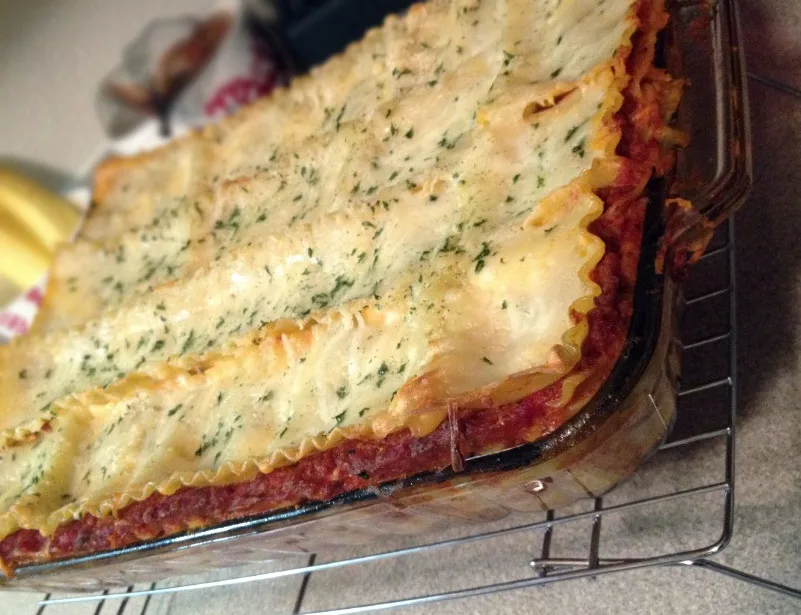
Image source: Wikimedia Commons / Thoseguys26 (CC BY-SA)
Step 5: Cover and Cook
Tent a piece of aluminum foil loosely over the dish. Press it down gently so it doesn't touch the cheese. This traps steam and helps the noodles cook through without the top burning.
Place the dish in the air fryer basket. Cook at 350°F for 15 minutes.
Step 6: Uncover and Brown
Remove the foil. The lasagna should be mostly set but the cheese on top will still be pale. Cook uncovered for another 5 to 8 minutes at 375°F until the cheese is golden and bubbly.
Step 7: Rest Before Serving
Let the lasagna sit for 5 to 10 minutes after cooking. This is non-negotiable. The layers need time to set, or you'll scoop out a soupy mess.
The dish will still be hot enough to serve after resting.
Layering Tips That Prevent Soggy or Undercooked Results
Getting the layers right is the difference between a great air fryer lasagna and a disappointing one. Here are the rules that matter most.
Don't drown it in sauce. In a full-size oven, extra sauce evaporates over a long cook time. In an air fryer, there's nowhere for that moisture to go. Use just enough to coat each layer.
About 1 1/2 cups total for a 6-inch dish is the sweet spot.
Spread the ricotta thin. Thick clumps of ricotta won't heat through in the air fryer's shorter cook time. Use the back of a spoon to spread it evenly across each noodle layer.
Keep layers shallow. Two to three layers maximum. Anything deeper than about two inches won't cook evenly in an air fryer. The top will brown before the center is done.
Break noodles to fit, don't stack them. Overlapping noodles create thick, gummy spots that never cook through. Trim or break them so they sit in a single layer with minimal overlap.
Always start and end with sauce. A sauce layer on the bottom prevents sticking. A sauce layer under the final cheese topping keeps everything moist and helps the cheese melt evenly.
Cook Time and Temperature for Perfect Lasagna Every Time
Temperature control is where most air fryer lasagna attempts go wrong. Too hot and the cheese burns before the noodles cook. Too low and you end up with a dried-out, rubbery mess.
The sweet spot sits between 325°F and 375°F, depending on your model and dish material.
Here's the framework that works across most air fryer brands:
| Phase | Temperature | Time | Foil? |
|---|---|---|---|
| Initial cook | 350°F | 15 minutes | Covered |
| Browning phase | 375°F | 5 to 8 minutes | Uncovered |
| Resting | Off | 5 to 10 minutes | N/A |
The covered phase is all about getting heat into the center of the dish so the noodles soften and the filling sets. The uncovered phase is purely for browning the cheese on top. Two-stage cooking is the single most important technique for air fryer lasagna.
If your air fryer runs hot, like many Instant Vortex models do according to aggregate user reviews, drop the initial temperature to 325°F and add 3 to 5 minutes. Glass and ceramic dishes also retain heat longer than metal, so they may need slightly less time in the browning phase.
Always check the internal temperature if you're using meat. Per USDA Food Safety and Inspection Service guidelines, ground meat should reach 165°F internally. A quick-read thermometer inserted into the center takes the guesswork out.
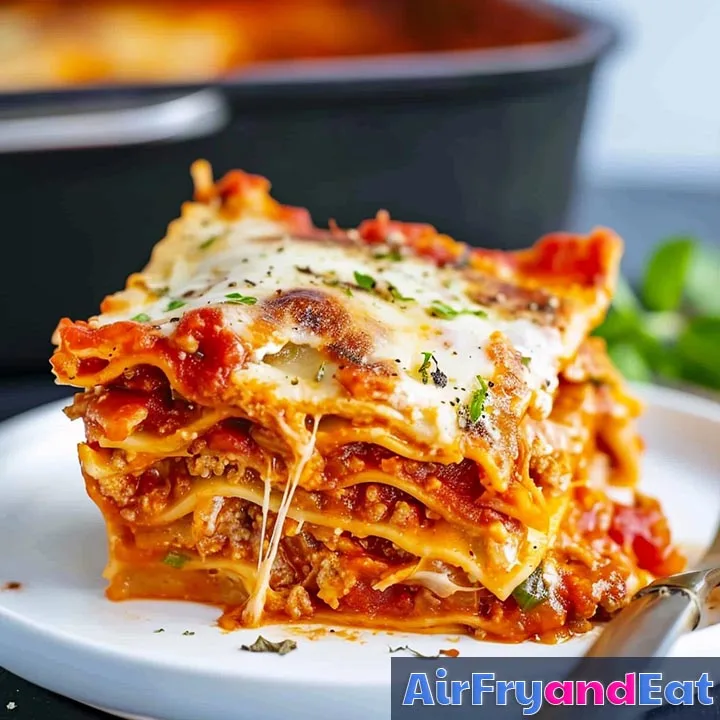
Image source: Bing (Web (fair-use with source credit))
Meat vs. Vegetarian Air Fryer Lasagna
Both versions work beautifully in the air fryer. The main difference is moisture management and layering strategy.
Meat-Based Lasagna
Ground beef, Italian sausage, or a blend of both are the classics. The key is draining the cooked meat thoroughly. Fat rendered from the meat has nowhere to go in a small dish, and excess grease pools between layers, creating a soggy bottom.
Italian sausage adds fennel and red pepper flakes that give the whole dish a deeper flavor. If you use sausage, go with mild unless you want the heat to dominate. A half-pound of meat is plenty for a 6-inch dish.
Vegetarian Lasagna
Vegetarian air fryer lasagna is arguably even easier because you skip the meat-cooking step entirely. The trick is choosing vegetables that won't release a lot of water during cooking.
Best vegetables for air fryer lasagna:
- Spinach (frozen, thawed, and squeezed dry)
- Mushrooms (sautéed first to drive off moisture)
- Zucchini (sliced thin and salted for 10 minutes)
- Roasted red peppers (jarred, patted dry)
- Artichoke hearts (canned, drained well)
Raw vegetables with high water content, like fresh tomatoes or uncooked zucchini, will steam inside the dish and make everything watery. Always pre-cook or thoroughly drain any vegetables you add.
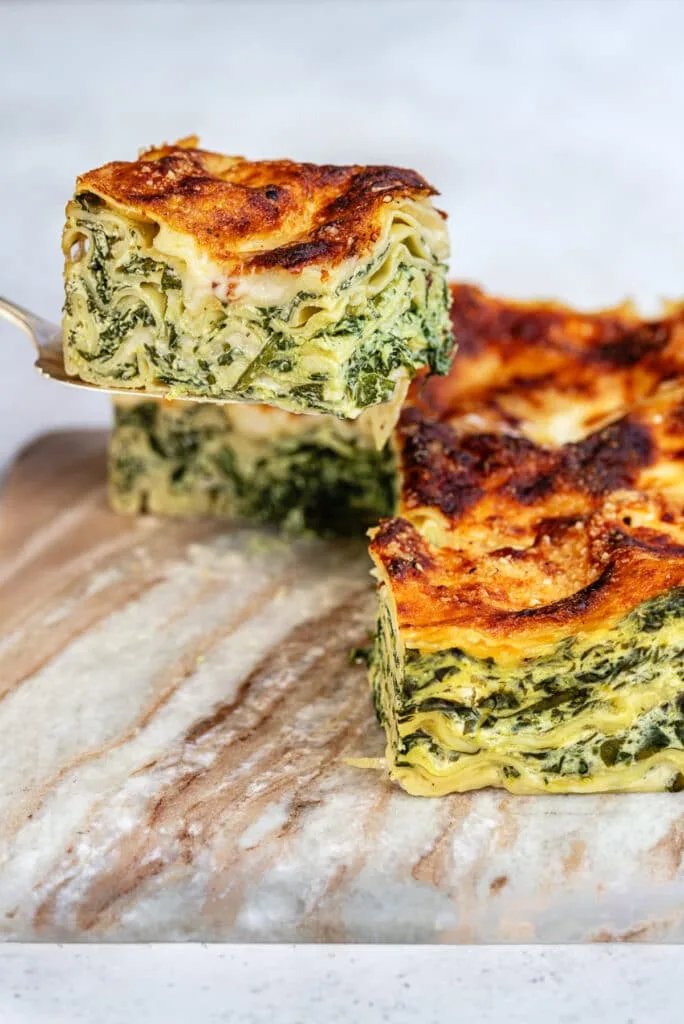
Image source: Bing (Web (fair-use with source credit))
Protein-rich alternatives like crumbled tofu or lentils also work well. A cup of cooked lentils seasoned with Italian herbs and garlic mimics the texture of ground meat surprisingly well.
Single-Serve Lasagna in Ramekins
If you're cooking for one or want perfectly portioned meals for the week, ramekin lasagna is the move. It cooks faster, more evenly, and looks impressive enough to serve to guests.
Use 8 to 10 ounce ramekins. Break the no-boil noodles into small pieces that fit the circular shape. Layer the same way you would in a larger dish, but expect only two layers per ramekin.
Cooking time drops to 12 to 15 minutes covered at 350°F, then 3 to 5 minutes uncovered at 375°F. The smaller volume means heat penetrates faster, so keep an eye on the cheese during the browning phase.
Ramekins are also ideal for meal prep. Assemble four to six on a Sunday, refrigerate, and cook them individually throughout the week. Add 2 to 3 minutes to the covered phase if cooking straight from the fridge.
One thing to watch: ramekins get extremely hot. Use a pair of tongs or a jar lifter to pull them out of the basket. Silicone-tipped tongs grip the ramekin edges without chipping them.
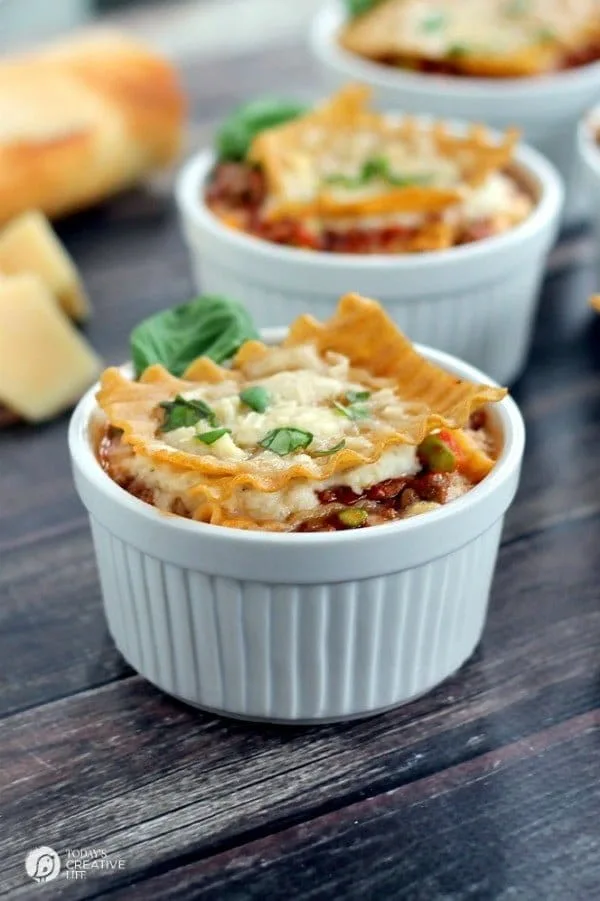
Image source: Bing (Web (fair-use with source credit))
Common Mistakes That Ruin Air Fryer Lasagna
After reviewing hundreds of user reports and recipe variations, the same mistakes come up again and again. Here's what to watch for.
Using too much sauce. This is the number one problem. In a standard oven, extra sauce evaporates over 45 to 60 minutes. In an air fryer, it just sits there, turning the noodles mushy and pooling at the bottom.
Stick to about 1 1/2 cups for a 6-inch dish.
Skipping the foil cover. Without foil, the top layer of cheese browns in the first five minutes while the noodles underneath are still hard. Always cover for the initial cook.
Overfilling the dish. Layers that are more than about two inches deep won't cook through evenly. The center stays cold while the edges overcook. If your recipe calls for more ingredients than fit, split it into two batches or use ramekins.
Not draining the meat. Greasy meat makes everything soggy. Brown it, drain it, and even blot it with a paper towel if it seems oily.
Opening the basket too often. Every time you open it, you lose heat and extend the cook time. Resist the urge to peek. Trust the process and check only when the timer says to.
Forgetting the rest period. Cutting into the lasagna right away releases all the steam and the layers fall apart. Five to 10 minutes of resting lets everything firm up so you get clean slices.
Using the wrong noodles. Traditional boiled noodles don't absorb enough moisture in the air fryer's short cook time. No-boil noodles are specifically designed to hydrate during baking, which is exactly what you need here.
How Air Fryer Lasagna Compares to Oven-Baked
Air fryer lasagna isn't trying to replace the oven version. It's a different tool for a different situation. Here's how they stack up.
Cook time. Air fryer wins decisively. 20 to 28 minutes versus 45 to 60 minutes in a conventional oven. If you're short on time, the air fryer is the clear choice.
Portion size. Oven wins. A standard 9×13 pan feeds eight to ten people. An air fryer dish feeds two to four.
For family dinners or gatherings, the oven is still the way to go.
Cheese browning. Air fryer wins. The top-down convection airflow creates a crispier, more evenly browned cheese crust than most home ovens. It's one of the best things about the air fryer method.
Texture. Oven wins for deep, melded layers. The longer bake time in a traditional oven lets flavors blend more thoroughly. Air fryer lasagna has slightly more distinct layers, which some people actually prefer.
Energy use. Air fryer wins. A typical air fryer draws 1,400 to 1,700 watts. A full oven draws 2,000 to 5,000 watts.
For a single dish, the air fryer uses significantly less energy.
Ease of setup. Air fryer wins. Most air fryers preheat in under three minutes. Ovens take 10 to 15 minutes to reach temperature.
Plus, you're not heating up your entire kitchen.
The bottom line: air fryer lasagna is perfect for small households, quick weeknights, and anyone who wants lasagna without the commitment of a full oven bake. For big batches and traditional texture, the oven still has its place. If you're curious about how air fryers stack up against other countertop appliances, our comparison of Instant Pot versus air fryer breaks down the strengths of each.
Expert Tips From Someone Who's Made This Dozens of Times
A few small moves make a big difference in the final result. These are the things that separate a good air fryer lasagna from a great one.
Warm your sauce before layering. Cold sauce straight from the fridge slows down the cook time and can leave the center undercooked. Heat it in the microwave for 30 seconds or warm it in a small pot.
Mix a tablespoon of flour into the ricotta. This extra binding step prevents the filling from turning watery as it cooks. It's a small move that keeps the layers clean and distinct.
Shred your own mozzarella. Pre-shredded cheese is coated in anti-caking agents that affect how it melts. Fresh-shredded mozzarella gives you that stretchy, gooey pull everyone wants.
Rotate the dish halfway through. Most air fryer baskets have a hot spot on one side. A quick 180-degree turn at the halfway mark ensures even browning across the whole top.
Use a toothpick test for noodles. If you're unsure whether the noodles are done, insert a toothpick into the center layer. It should slide in with minimal resistance. If it feels hard or crunchy, add 3 more minutes covered.
Storing, Reheating, and Meal Prep
Air fryer lasagna stores well, which makes it a solid meal prep option. Let it cool completely before covering and refrigerating. It keeps for up to four days in the fridge.
To reheat, place the portion back in the air fryer at 300°F for 5 to 7 minutes. Cover with foil for the first few minutes to prevent the top from drying out, then remove it for the last couple of minutes to re-crisp the cheese.
You can also freeze individual portions for up to three months. Thaw overnight in the fridge before reheating. Frozen portions need about 10 to 12 minutes at 325°F covered, then 3 minutes uncovered.
For meal prep, assemble the lasagna in oven-safe containers and refrigerate uncooked for up to 24 hours before cooking. Add 3 to 5 minutes to the covered phase since the dish starts cold.
Frequently Asked Questions
Can I use regular lasagna noodles instead of no-boil?
You can, but they need to be fully boiled first. No-boil noodles are designed to absorb moisture during cooking, which is exactly what happens in the air fryer. Pre-boiled regular noodles often turn gummy in the shorter cook time.
What size air fryer do I need for lasagna?
Any air fryer that can fit a 6-inch round or 7×5-inch rectangular dish will work. That includes most 5-quart and larger basket-style models. If you have a smaller unit, ramekins are your best bet.
Do I need to preheat the air fryer?
It helps. A three-minute preheat ensures the dish starts cooking at the right temperature immediately. Skipping preheat can add 3 to 5 minutes to the total cook time and may result in unevenly cooked noodles.
Can I make air fryer lasagna ahead of time?
Yes. Assemble the dish, cover it tightly, and refrigerate for up to 24 hours before cooking. Add a few extra minutes to the covered phase since the ingredients start cold.
Why is my air fryer lasagna soggy?
Too much sauce is the most common cause. Reduce the sauce to about 1 1/2 cups for a 6-inch dish. Also make sure you're draining the meat thoroughly and squeezing excess moisture from any vegetables.
How do I know when the lasagna is done?
The cheese should be golden and bubbly on top, and a knife or toothpick inserted into the center should slide in easily. If you're using meat, check that the internal temperature reaches 165°F per USDA guidelines.
Final Thoughts: Is Air Fryer Lasagna Worth It?
Air fryer lasagna delivers on its promise. You get a properly cooked, golden-topped, cheesy layered pasta dish in under 30 minutes of cook time. The portion size is smaller than oven-baked, but for weeknight dinners, small households, or meal prep, it's hard to beat.
The technique requires a few adjustments, mainly around sauce quantity, pan size, and the two-stage cook method. Once you've made it once, the process feels natural and repeatable. As of 2026, with air fryer ownership at an all-time high, this is one of the best ways to get more versatility out of an appliance that probably lives on your counter already.
Grab a 6-inch pan, a box of no-boil noodles, and give it a shot. You might be surprised how good it turns out.