
Air fryer artichoke hearts come out golden, crispy on the edges, and tender inside in about 10 minutes. You drain the hearts, toss them with oil and seasoning, and let the air fryer do the rest. No deep fryer, no heating up the whole oven.
This is one of those recipes that looks like you tried harder than you did. A 14-ounce can of artichoke hearts runs about $2 to $4, and the whole thing, start to finish, takes roughly 15 minutes. Artichoke hearts are also one of the highest-fiber vegetables you will find, with around 7 grams per serving, according to the USDA.
Here is exactly how to nail it every time.
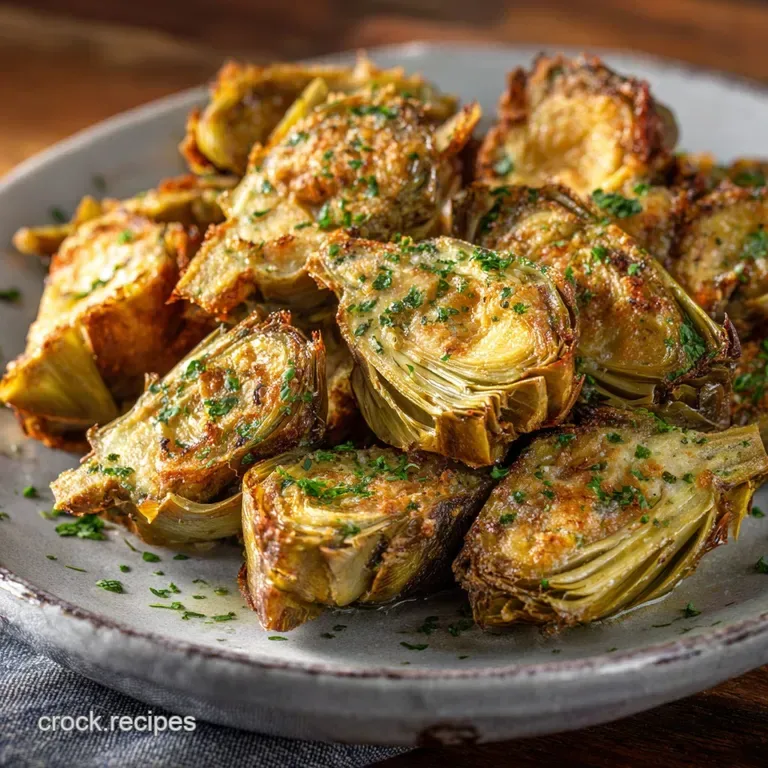
Image source: Bing (Web (fair-use with source credit))
Quick Answer
An air fryer artichoke hearts recipe starts with drained, patted-dry hearts tossed in olive oil and seasoning. Cook them at 400°F for 8 to 10 minutes. Shake the basket once halfway through.
They come out golden and crispy with almost no effort. A single 14-ounce can makes about 3 to 4 servings.
What You'll Need: Ingredients and Equipment
You do not need much. Most of this is probably already in your kitchen.
Ingredients:
- 1 can (14 oz) artichoke hearts, drained (or 12 oz frozen, thawed)
- 1 tablespoon olive oil or avocado oil
- ½ teaspoon garlic powder
- ½ teaspoon onion powder
- ¼ teaspoon smoked paprika
- ¼ teaspoon salt
- ¼ teaspoon black pepper
- Squeeze of fresh lemon juice (for finishing)
Optional add-ins:
- 2 tablespoons grated Parmesan cheese
- ¼ cup panko breadcrumbs (for a breaded version)
- Pinch of red pepper flakes
- Fresh chopped parsley or basil
Equipment:
- Air fryer (any standard basket-style or oven-style model)
- Paper towels
- Mixing bowl
- Tongs or a spatula
- Oil spray bottle or cooking spray
That is it. No fancy tools, no special liners, no extra gadgets. If you have an air fryer and a can of artichoke hearts, you are ready.
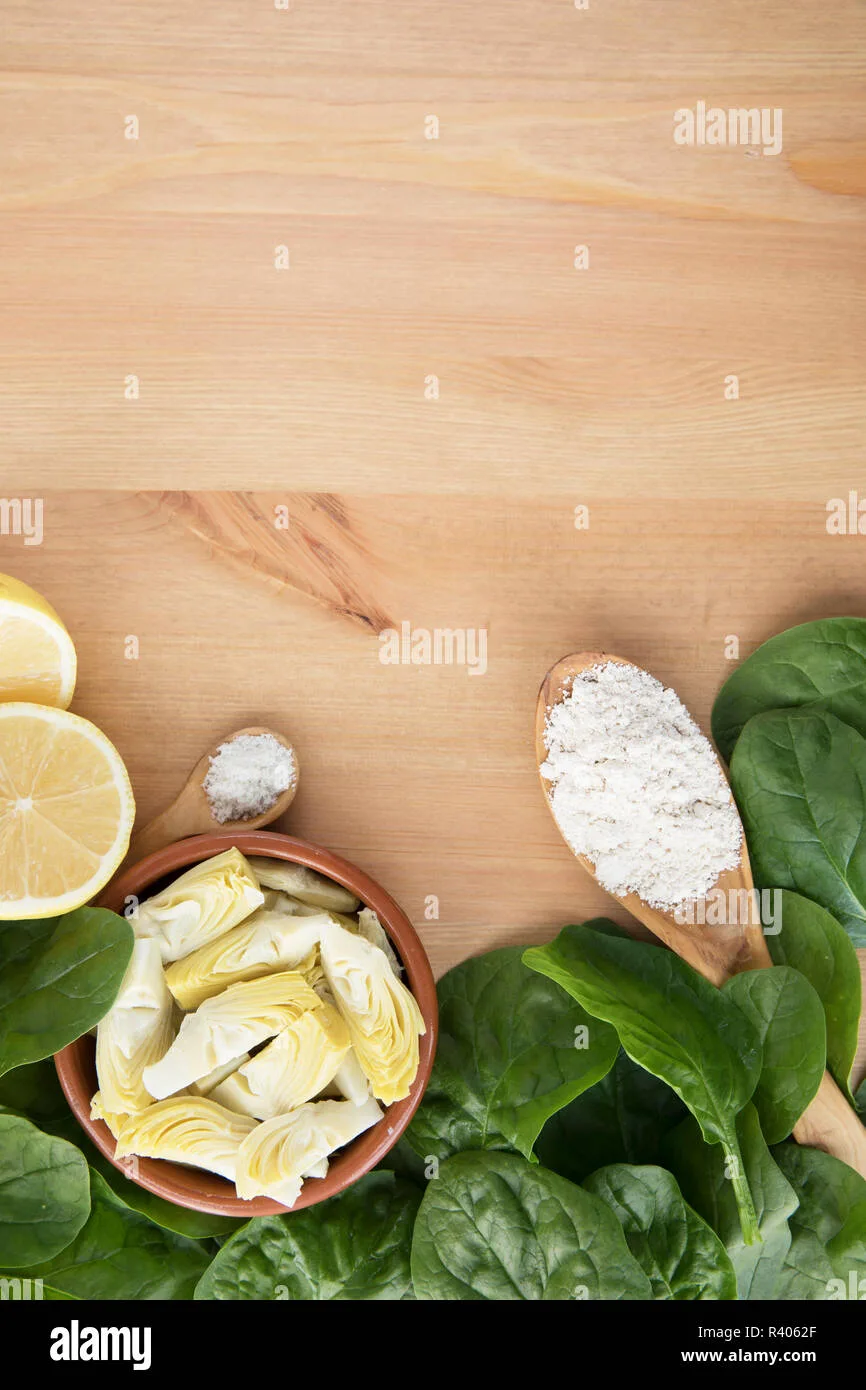
Image source: Bing (Web (fair-use with source credit))
How to Prep Artichoke Hearts for the Air Fryer
Prep is where most people go wrong. Wet artichoke hearts steam instead of crisp. Getting them dry is the single most important step in this whole recipe.
If using canned artichoke hearts:
Open the can and pour the hearts into a colander. Rinse them under cold water to remove the brine. Then spread them on a layer of paper towels and pat them dry.
Give them a few extra seconds of pressing. You want as little surface moisture as possible.
If using frozen artichoke hearts:
Thaw them in the refrigerator overnight or run them under cool water until no longer frozen. Then pat dry thoroughly. Frozen hearts release more water than canned, so spend an extra minute on this step.
Cutting:
Quartered hearts work best because more surface area means more crispiness. If yours are whole, slice them in half or into quarters. If they are already quartered from the can, you are good to go.
A note on marinated jarred hearts:
These come packed in oil, which sounds convenient but actually makes crisping harder. If you go this route, drain them well and skip adding extra oil in the seasoning step. They will have more flavor out of the bag but slightly less crunch.
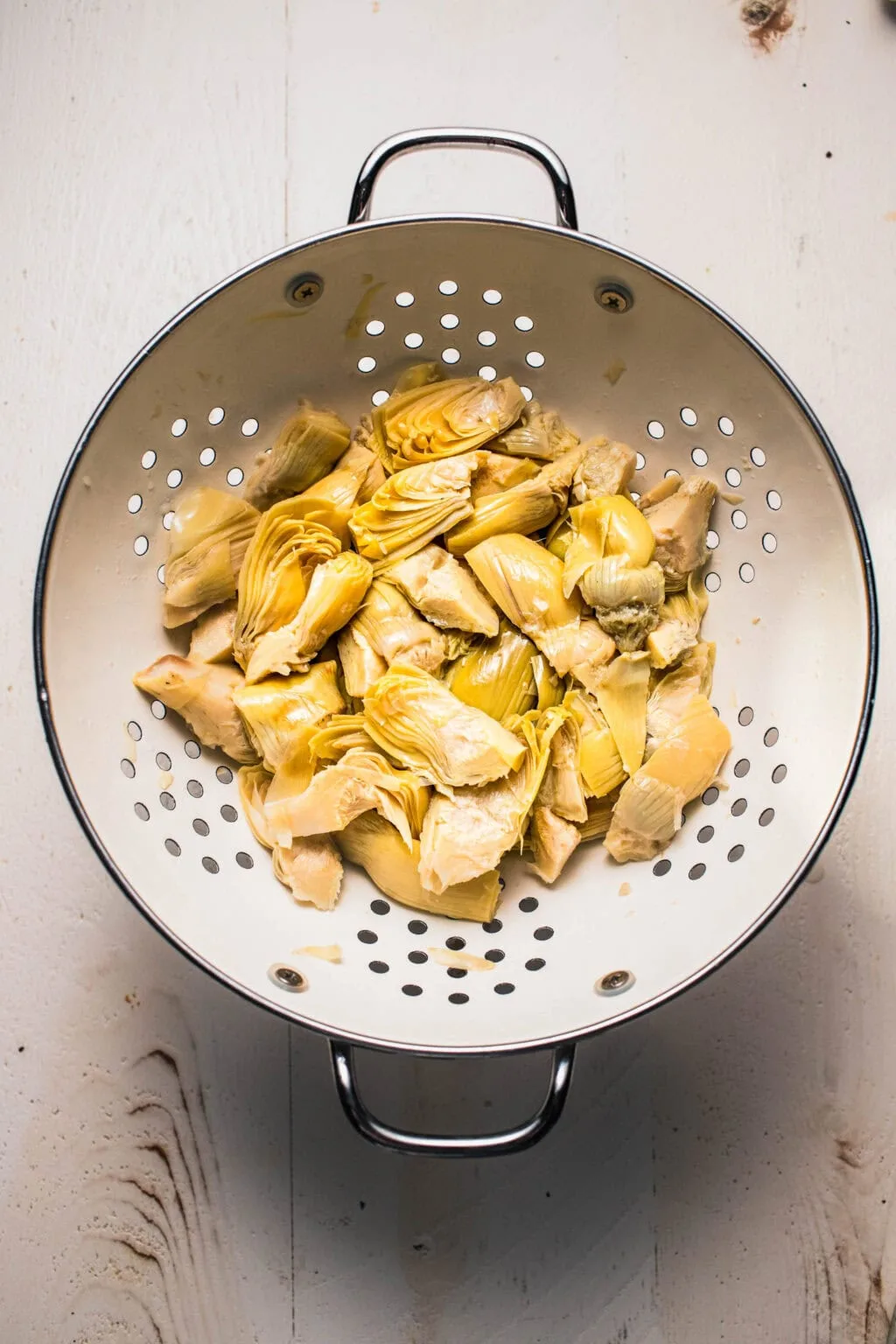
Image source: Bing (Web (fair-use with source credit))
Step-by-Step: Air Fryer Artichoke Hearts Recipe
Here is the full process from start to plate. Total active time is about 5 minutes.
Step 1: Preheat the air fryer.
Set it to 400°F and let it run for about 2 to 3 minutes. Preheating matters. A hot basket hits the hearts immediately and starts crisping the outside instead of letting them sit in lukewarm air.
Step 2: Season the hearts.
Toss the dried artichoke hearts in a bowl with the olive oil, garlic powder, onion powder, paprika, salt, and pepper. Mix until every piece has a light, even coating. You are not looking for a heavy glaze.
A thin film of oil and a dusting of seasoning is perfect.
Step 3: Arrange in the basket.
Place the hearts in a single layer in the air fryer basket. Do not stack them. Do not crowd them.
If they are touching each other, they will steam. If your air fryer is on the smaller side, work in two batches. This is the step that separates crispy from soggy.
Step 4: Cook.
Air fry at 400°F for 8 to 10 minutes. At the 4 to 5 minute mark, pull the basket out and give it a good shake. This flips the hearts and exposes the other side to direct heat.
You will hear them sizzling. That is a good sign.
Step 5: Check for doneness.
The hearts should be golden brown with slightly darkened edges. If they still look pale, add 1 to 2 more minutes. Every air fryer runs a little different, so trust your eyes more than the clock.
Step 6: Finish and serve.
Transfer to a plate. Squeeze fresh lemon juice over the top and add a pinch of flaky salt or extra Parmesan if you like. Serve immediately.
They are best hot and crispy, not reheated.
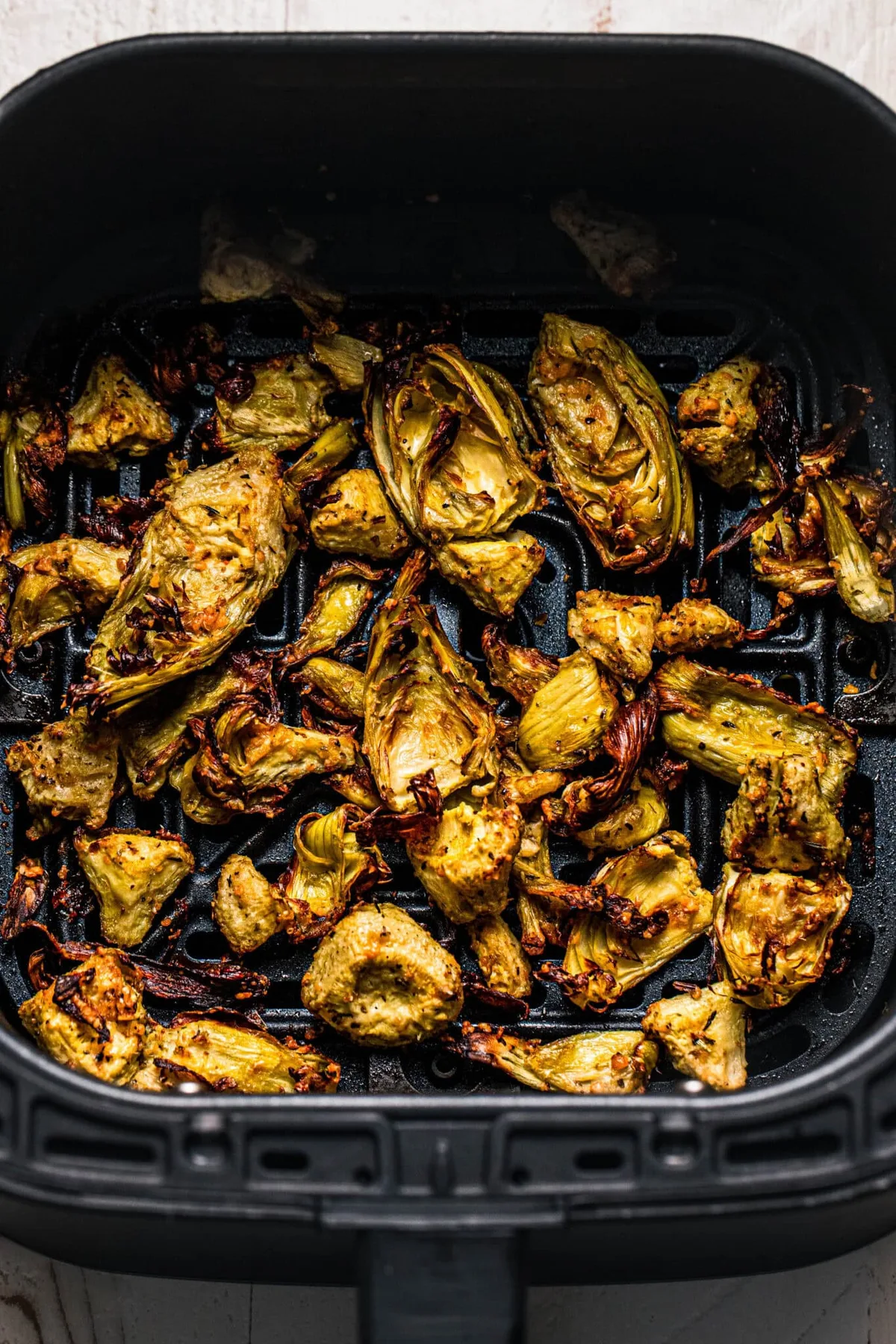
Image source: Bing (Web (fair-use with source credit))
Quick reference table:
| Step | Action | Time |
|---|---|---|
| Preheat air fryer | 400°F | 2 to 3 min |
| Season hearts | Oil and spices | 1 min |
| First cook | Single layer, 400°F | 4 to 5 min |
| Shake basket | Flip hearts | 10 sec |
| Second cook | Continue at 400°F | 4 to 5 min |
| Finish | Lemon and salt | 30 sec |
| Total | ~12 to 15 min |
If you are looking for more quick air fryer sides to round out a meal, our gold potato recipes air fryer guide has a great companion option that cooks in about the same time.
Seasoning Ideas and Flavor Variations
The basic garlic-paprika version is solid, but artichoke hearts take on flavor really well. Here are a few combinations worth trying.
Classic Italian:
Olive oil, garlic powder, Italian seasoning, salt, and a handful of grated Parmesan tossed on in the last 2 minutes of cooking.
Lemon Herb:
Olive oil, lemon zest, dried thyme, salt, and pepper. Finish with a squeeze of fresh lemon and chopped parsley.
Spicy Smoky:
Olive oil, smoked paprika, cayenne pepper, garlic powder, and a pinch of cumin. These pair great with a cool ranch or tzatziki dip.
Everything Bagel:
Olive oil, everything bagel seasoning, and a light sprinkle of Parmesan. Sounds unusual, works surprisingly well.
Ranch Style:
Toss the cooked hearts with a teaspoon of dry ranch seasoning mix right when they come out of the basket. The residual heat helps the seasoning stick.
The key is keeping the oil light and the seasoning balanced. Artichoke hearts have a mild, slightly nutty flavor that gets overwhelmed easily. Start with less salt than you think you need.
You can always add more after cooking.
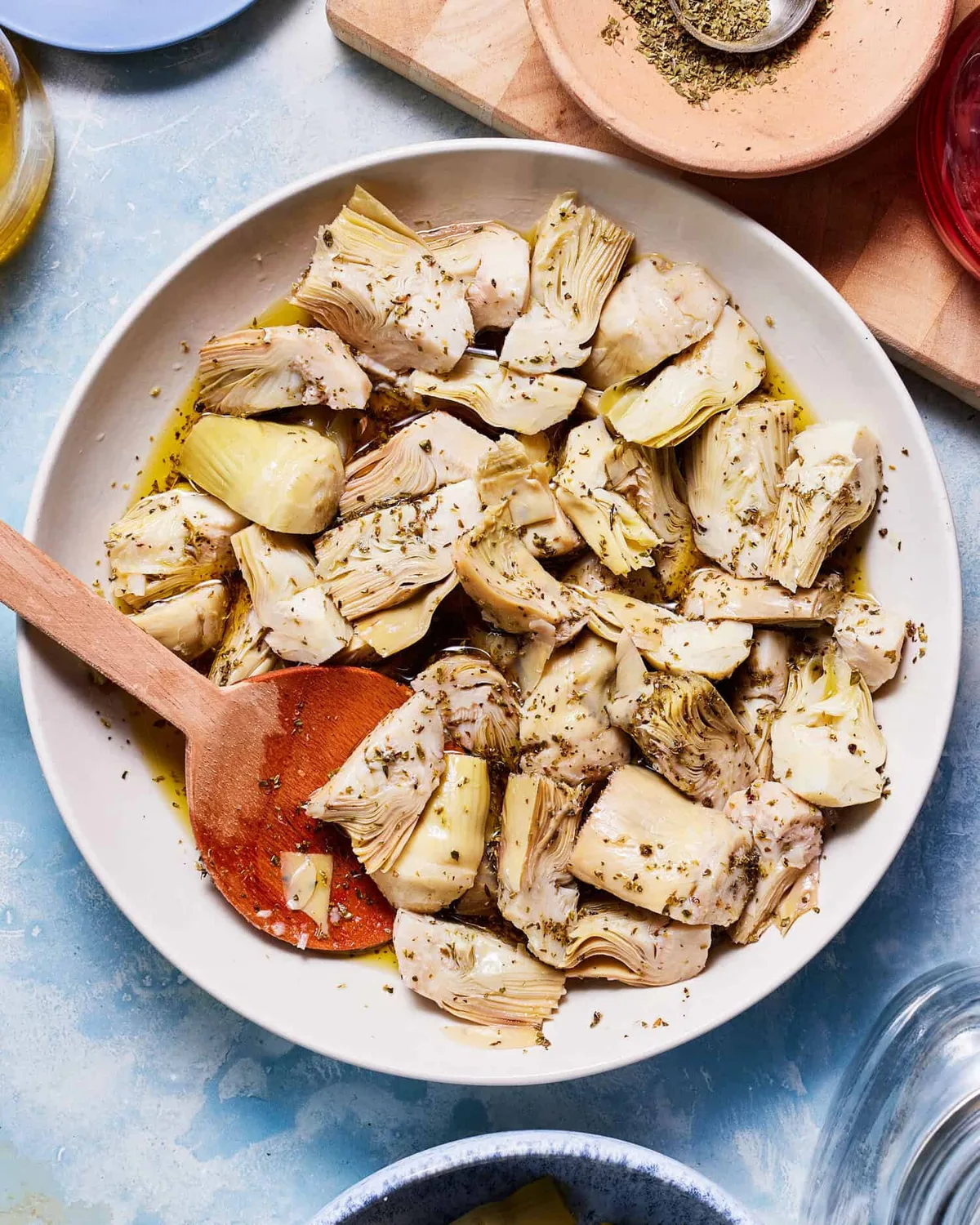
Image source: Bing (Web (fair-use with source credit))
How to Get Them Actually Crispy (Not Soggy)
Crispy artichoke hearts come down to three things: dryness, spacing, and heat. Miss any one of them and you end up with steamed, rubbery pieces instead of golden, crunchy ones.
Dry them like it matters. Because it does.
After draining and rinsing, spread the hearts on paper towels and press another layer on top. Let them sit for a minute. Flip them and press again.
Canned hearts especially hold water in the folds and crevices. That moisture is the enemy of crispiness. Every bit of surface water you remove is a bit that will turn to steam instead of letting the exterior brown.
Do not crowd the basket.
This is the most common mistake. When hearts are piled on top of each other, hot air cannot circulate around each piece. They steam in their own moisture.
A single layer with a little space between each piece is what you want. If your air fryer basket is small, cook in two batches. It takes an extra 10 minutes but the texture difference is dramatic.
Use enough heat.
400°F is the sweet spot for most basket-style air fryers. Some recipes call for 375°F, which works but gives you a softer result. If your air fryer tends to run cool, go to 400°F or even 410°F.
The high heat drives off surface moisture fast and creates that golden crust before the interior overcooks.
Shake at the halfway point.
Around the 4 or 5 minute mark, pull the basket and give it a firm shake. This repositions every piece so the other side gets direct exposure. If you have a few that look like they are browning faster, move them toward the center.
A quick shake takes 5 seconds and makes a real difference.
Listen for the sizzle.
When you pull the basket to shake it, you should hear a light sizzling sound. That means the oil is hot and the surface is actively crisping. If everything looks quiet and pale, your temperature might be too low or the hearts are too wet.
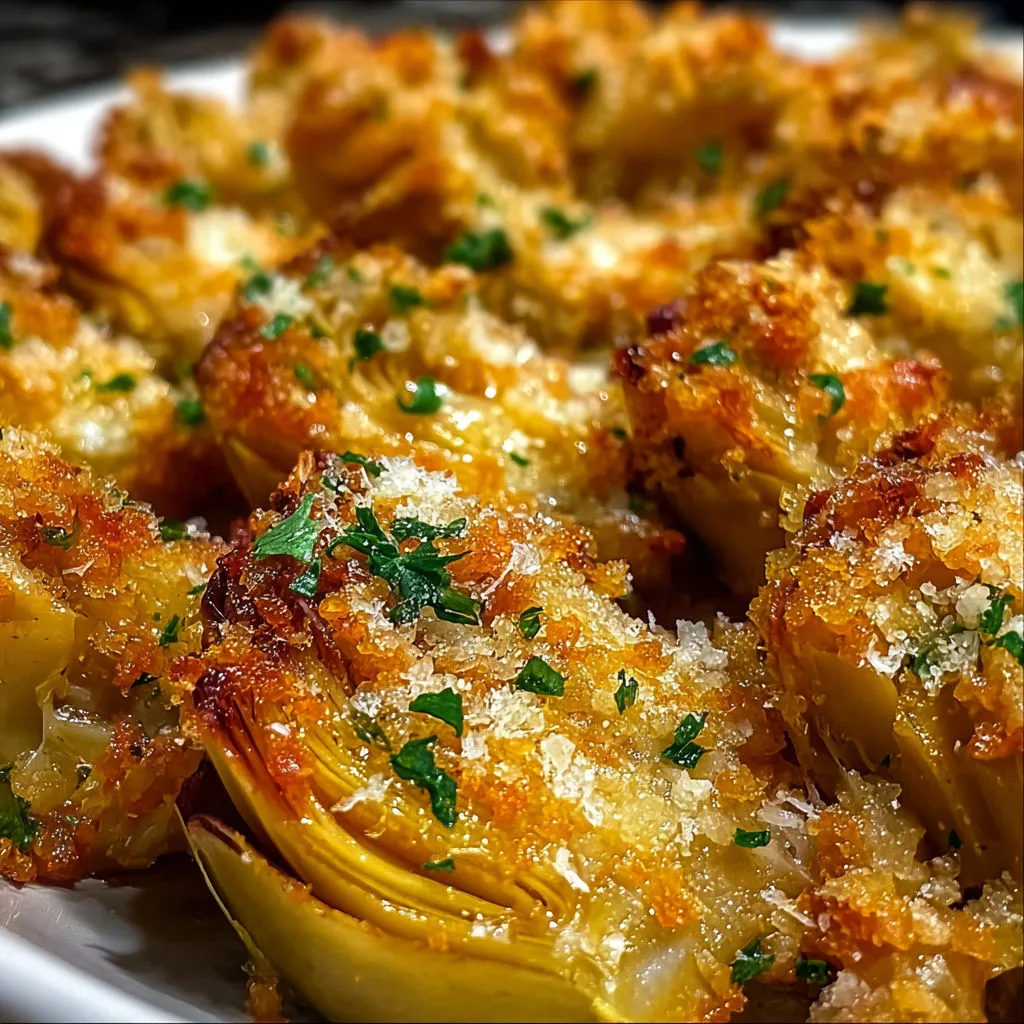
Image source: Bing (Web (fair-use with source credit))
Breaded and Parmesan-Crusted Variations
If you want something closer to a fried appetizer, a breading or Parmesan crust takes these to another level. The technique is slightly different but still simple.
Parmesan Crust:
Toss the dried hearts in olive oil as usual. Then press them into a mix of ¼ cup grated Parmesan and 2 tablespoons panko breadcrumbs. Make sure each piece gets an even coating.
Air fry at 380°F for 10 to 12 minutes. The lower temperature keeps the cheese from burning before the interior heats through. Shake once at the 5 minute mark.
The Parmesan melts and forms a golden, salty shell around each heart. It is the version that disappears fastest at parties.
Full Breading:
For a thicker crust, set up a quick breading station. One bowl with a beaten egg, another with ½ cup panko mixed with ½ teaspoon garlic powder and ¼ teaspoon salt. Dip each heart in the egg, let the excess drip off, then press into the panko mix.
Air fry at 380°F for 11 to 13 minutes.
The egg wash is what makes the breading stick. Skip it and the flakes fall off into the basket. Pat the hearts dry before dipping, otherwise the egg will not adhere properly.
Almond Flour Option:
For a low-carb or keto version, swap the panko for finely ground almond flour. Mix ¼ cup almond flour with 2 tablespoons Parmesan and your seasonings. The coating goes on the same way and crisps up nicely at 380°F in about 10 minutes.
It has a slightly nuttier flavor that pairs well with the artichoke.
A note on aerosol sprays:
If you use a cooking spray to help the breading crisp, use a plain oil mister instead of aerosol cooking sprays. Many aerosol brands contain lecithin and other additives that build up on nonstick baskets over time and become nearly impossible to clean. A refillable oil sprayer gives you the same light coating without the residue.
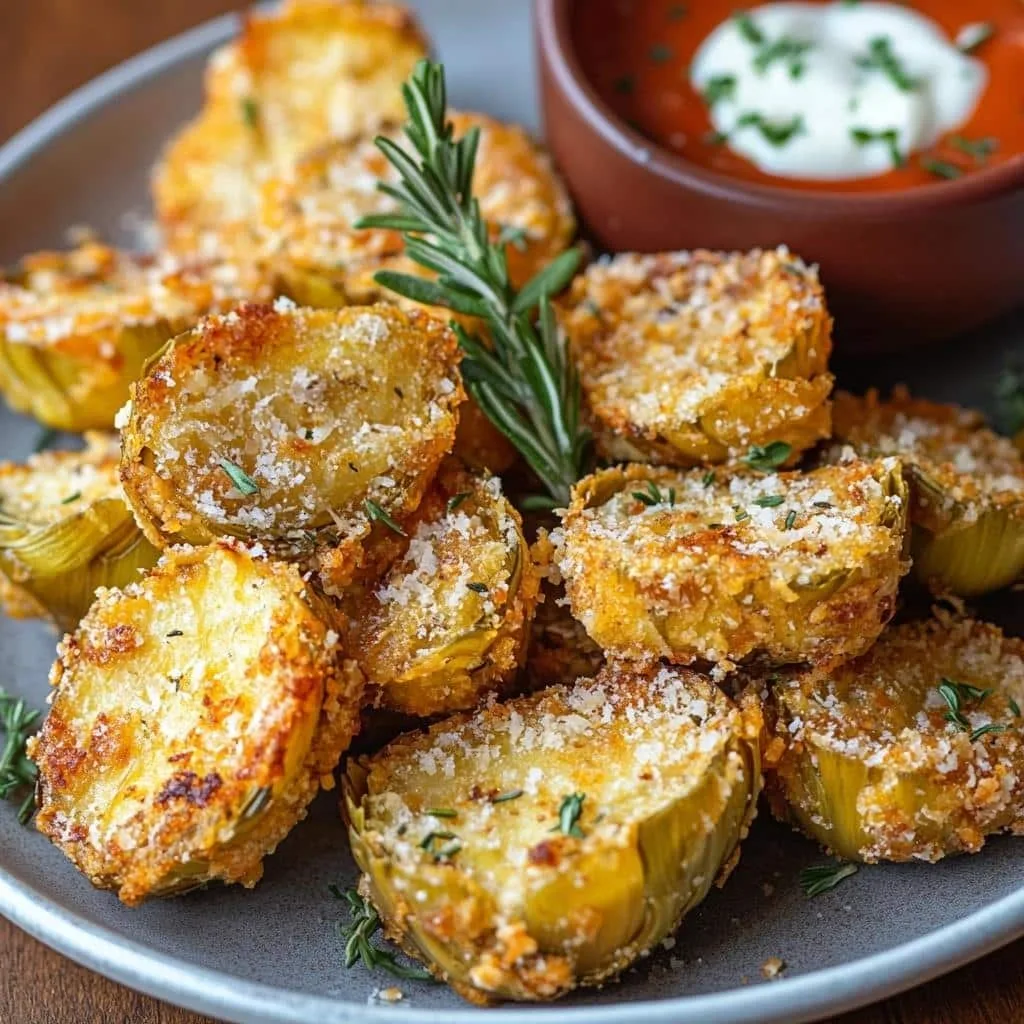
Image source: Bing (Web (fair-use with source credit))
Frozen vs. Canned vs. Jarred: Which Works Best
All three work in the air fryer, but they behave differently. Here is what to expect from each.
Canned artichoke hearts:
The most common choice. They are pre-cooked, soft, and easy to find. Drain and rinse them well to remove the salty brine.
They crisp up nicely because they are already tender. A 14-ounce can gives you about 3 to 4 servings. Cost is usually $2 to $4.
Frozen artichoke hearts:
These have a slightly firmer texture than canned, which can actually be an advantage for crispiness. Thaw them first and pat them very dry. They release more water during cooking, so you may need an extra 2 to 3 minutes in the basket.
A 12-ounce bag runs about $2 to $4.
Jarred marinated hearts:
These come packed in olive oil and seasonings. They have the most flavor out of the container but the hardest time crisping because of the oil coating. Drain them well and skip adding extra oil.
They will not get as crunchy as canned or frozen, but the flavor is excellent. Expect to pay $3 to $6 per jar.
Quick comparison:
| Type | Prep needed | Crispiness | Flavor | Cost |
|---|---|---|---|---|
| Canned | Drain, rinse, pat dry | Good | Mild, neutral | $ |
| Frozen | Thaw, pat dry | Best | Clean, slightly firm | $ |
| Jarred | Drain well | Moderate | Rich, seasoned | $$ |
For your first time making this recipe, canned hearts are the easiest to work with. Once you have the technique down, frozen hearts give you the best texture.
If you are already cooking with frozen ingredients in the air fryer, our air fryer toasted ravioli recipe uses a similar frozen-to-crispy approach that is worth trying next.
What to Serve With Air Fryer Artichoke Hearts
These work as a side, a snack, or an appetizer. Here are a few ways to build a meal around them.
As a side dish:
They pair well with grilled chicken, steak, or fish. The crispy, savory bites add texture to a plate that might otherwise be all protein and starch. A squeeze of lemon over everything ties it together.
As an appetizer:
Pile them on a small plate with a dipping sauce in the center. They disappear fast. For a party spread, they sit nicely next to hummus, olives, and crackers on a charcuterie board.
On a salad:
Toss warm crispy artichoke hearts onto a bed of arugula or mixed greens. Add shaved Parmesan, cherry tomatoes, and a lemon vinaigrette. The contrast between the hot, crunchy hearts and the cool salad is really good.
As a snack:
Honestly, these are hard to stop eating on their own. A single batch of 3 to 4 servings can vanish as a standalone snack, especially with a good dip nearby.
Meal prep tip:
You can cook a batch and refrigerate leftovers for up to 3 days. Reheat them in the air fryer at 350°F for 3 to 4 minutes. They crisp back up much better than they would in a microwave.
Do not reheat in the microwave unless you are okay with a soft texture.
For more air fryer sides that work alongside these, our corn ribs recipe air fryer is another quick option that uses the same single-layer, high-heat method.
Dipping Sauces That Pair Perfectly
A good dip makes these even better. Here are the ones that work best.
Garlic aioli:
Mix ½ cup mayonnaise with 1 minced garlic clove, a squeeze of lemon, and a pinch of salt. It is rich, creamy, and the garlic plays off the artichoke's mild flavor. This is the most popular pairing by far.
Lemon herb yogurt dip:
Combine ½ cup plain Greek yogurt with lemon zest, a chopped fresh dill or parsley, and a little salt. Lighter than aioli and a good option if you want something less heavy.
Sriracha mayo:
Stir 1 to 2 teaspoons of sriracha into ½ cup mayo. Adjust the heat to your liking. The spicy kick works surprisingly well with the crispy, savory hearts.
Marinara:
Warm marinara sauce makes these feel like an Italian appetizer. It is especially good with the Parmesan-crusted version.
Ranch:
Classic ranch dressing is a crowd-pleaser, especially for kids. If you are making these as a snack for picky eaters, ranch is the safest bet.
Balsamic reduction:
Drizzle a thick balsamic glaze over the finished hearts instead of dipping. The sweet and tangy flavor with the crispy exterior is a great combination.
Keep the portions small. A couple of tablespoons of dip per serving is plenty. You want to taste the artichoke hearts, not drown them.
Common Mistakes and How to Fix Them
Even a simple recipe can go sideways. Here are the issues that come up most often and what to do about them.
Soggy hearts:
This is the number one complaint. It almost always comes down to not drying the hearts well enough or overcrowding the basket. Pat them thoroughly with paper towels and cook in a single layer.
If you are still getting soft results, bump the temperature up by 10 degrees.
Breading falls off:
The hearts need to be dry before you dip them in egg or press them into coating. Any moisture creates a barrier between the heart and the breading. Also, do not skip the egg wash.
It acts as glue. Press the coating on firmly instead of lightly dusting it.
Uneven cooking:
Some pieces brown while others stay pale. This usually means the basket was too full or the hearts were different sizes. Cut them to a uniform size before cooking.
Shake the basket at the halfway mark to redistribute everything.
Burned exterior, cold interior:
Your temperature is too high or the hearts are too large. Drop the heat to 380°F and add a couple of minutes. For breaded versions, 380°F is actually the better starting point anyway.
Sticking to the basket:
A light coat of oil on the basket before adding the hearts prevents most sticking. Parchment air fryer liners with holes in them also work well. Do not use solid parchment blocks.
They restrict airflow and defeat the purpose.
Bland flavor:
Season after cooking as well as before. A squeeze of lemon, a pinch of flaky salt, or a dusting of Parmesan right when they come out makes a big difference. The air fryer concentrates flavor but it can also mute seasoning, so do not be afraid to finish strong.
Nutritional Info and Dietary Notes
Air fryer artichoke hearts are one of the healthier snack options you can make in the appliance. Here is what you are working with.
Per serving (about 4 to 6 hearts, plain seasoned, no breading):
| Nutrient | Amount |
|---|---|
| Calories | 80 to 120 |
| Fat | 4 to 7g |
| Carbohydrates | 10 to 12g |
| Fiber | 5 to 7g |
| Protein | 3 to 4g |
| Sodium | 200 to 400mg |
The calorie range depends on how much oil you use and whether you add Parmesan or breading. A breaded Parmesan version runs closer to 130 to 160 calories per serving with 6 to 8 grams of protein.
Dietary notes:
This recipe is naturally vegetarian, gluten-free if you skip the panko, and low-carb friendly. For a vegan version, leave out the Parmesan and use nutritional yeast instead. For keto, the almond flour breading option keeps carbs low while still giving you a crunchy coating.
Artichoke hearts are one of the highest-fiber vegetables available. A single serving gives you a meaningful chunk of your daily fiber intake. They are also a good source of vitamin K, vitamin C, folate, and magnesium, according to USDA nutritional data.
Sodium is the one thing to watch. Canned and jarred hearts can be high in sodium from the brine or marinade. Rinsing them well helps.
If you are on a low-sodium diet, look for no-salt-added canned versions or use frozen hearts.
How They Compare: Air Fryer vs. Oven vs. Deep Fryer
Each method works, but the results are different. Here is how they stack up.
Air fryer:
Cooks in 8 to 12 minutes at 400°F. Gives you a crispy exterior with a tender interior using minimal oil. Cleanup is easy, just wipe the basket.
Best for small batches of 1 to 4 servings. Energy efficient since you are not heating a full oven.
Oven:
Takes 25 to 35 minutes at 425°F on a sheet pan. The hearts come out less crispy and more evenly dried. You can cook a larger batch at once, which is helpful for crowds.
But you wait a lot longer and heat up your whole kitchen in the process.
Deep fryer:
The fastest method at 3 to 5 minutes in oil at 375°F. Gives you the crispiest, most uniform result. But you need a quart or more of oil, the cleanup is messy, and the calorie count jumps significantly.
Deep-fried artichoke hearts can run 250 to 350 calories per serving depending on the coating.
The bottom line:
The air fryer hits the sweet spot for most people. You get close to deep-fried crispiness with a fraction of the oil and a lot less hassle. The oven is your backup for large batches.
The deep fryer is overkill unless you are already frying something else.
Expert Tips for Perfect Results Every Time
A few things that make a real difference once you have the basics down.
Preheat every time. A hot basket from the start means the hearts begin crisping immediately instead of warming up slowly. Two to three minutes of preheat is all it takes.
Use a spray bottle, not a pour. Drizzling oil on the hearts creates uneven pools. A fine mist from a spray bottle gives you a thin, even coat that crisps uniformly.
Quarter whole hearts. More cut surfaces means more crispy edges. If your hearts are whole, slice them into quarters before seasoning.
Do not skip the finish. Lemon juice, flaky salt, or fresh herbs added right at the end brighten everything up. The difference between good and great is often that final 30 seconds of attention.
Cook in batches if needed. Resist the urge to fill the basket. Two batches of perfectly crispy hearts beat one batch of steamed, soggy ones every time.
Clean the basket after each use. Oil and crumb buildup causes smoking on your next cook. A quick wipe with a damp cloth or a brush keeps things running clean.
If you are building a rotation of go-to air fryer recipes, our kid friendly air fryer recipes roundup has more ideas that use the same simple, high-heat approach.
Frequently Asked Questions
Can I use frozen artichoke hearts without thawing?
Yes, but add 2 to 3 extra minutes to the cook time and expect slightly less crispiness. Thawing and patting dry first gives better results. If you cook from frozen, spread them in a single layer and shake the basket a couple of extra times.
How long do leftovers last?
Store cooked artichoke hearts in an airtight container in the refrigerator for up to 3 days. Reheat in the air fryer at 350°F for 3 to 4 minutes. They crisp back up well.
Microwaving works but gives you a softer texture.
Do I need to preheat the air fryer?
It helps. A preheated basket starts crisping the hearts immediately. Two to three minutes at your target temperature is enough.
If your air fryer does not have a preheat function, just let it run empty for a few minutes before adding the hearts.
Can I make these without oil?
You can, but they will not crisp as well and may dry out. A very light mist of oil makes a noticeable difference. If you are avoiding oil entirely, brush the basket with a thin layer and use a lower temperature, around 375°F, for a few extra minutes.
What air fryer works best for this recipe?
Any standard basket-style or oven-style air fryer works. The key is not overcrowding. Smaller air fryers may require two batches.
Popular models from Ninja, Cosori, and Philips all handle this recipe well. Adjust cook time by a minute or two based on your specific model.
Are air fryer artichoke hearts healthy?
They are a solid choice. Artichoke hearts are high in fiber and low in calories. Air frying uses far less oil than deep frying.
A plain seasoned serving runs about 80 to 120 calories with 5 to 7 grams of fiber. Even the Parmesan breaded version stays reasonable at around 130 to 160 calories per serving.