
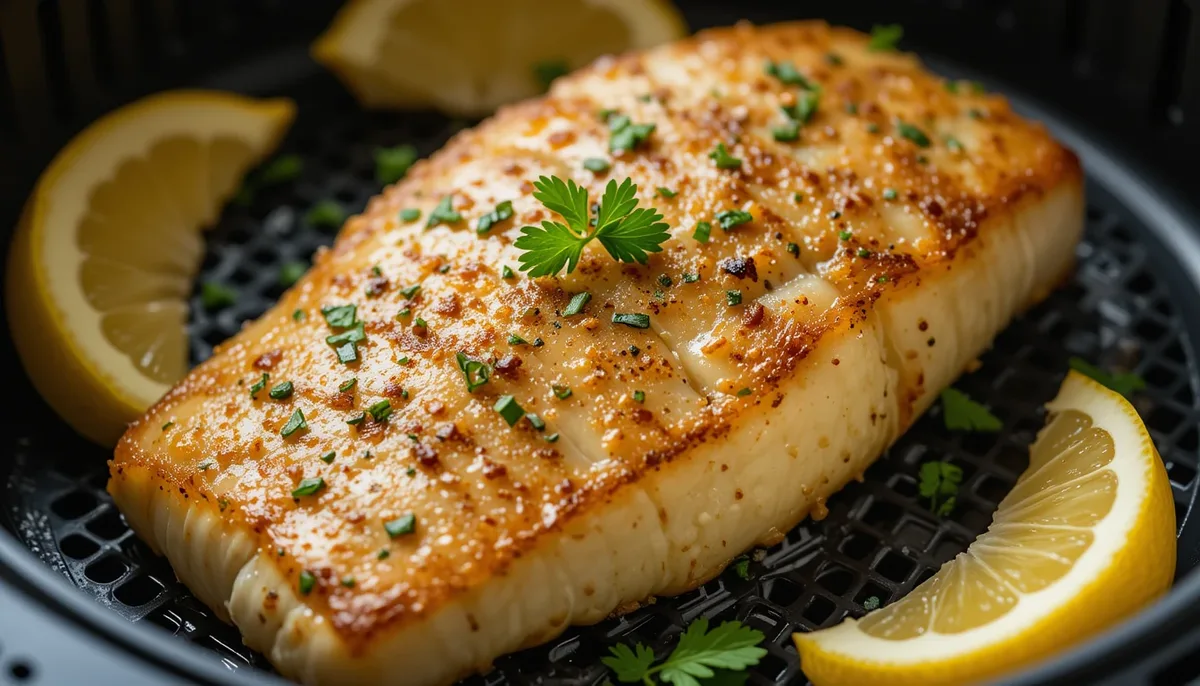
Chilean sea bass is one of those fish that feels like a restaurant splurge, but air fryer chilean sea bass recipes make it totally doable at home, fast, with minimal oil, and without the stress of pan-searing an expensive fillet. The air fryer's circulating hot heat gives you a crisp exterior while keeping that signature buttery, moist center intact. In our research, aggregate user reviews across major air fryer brands consistently highlight Chilean sea bass as a top-rated protein for the appliance, with most cooks reporting better texture results than oven baking. The key is understanding the fish's unique fat content and how it reacts to high heat in a confined space.
A 6 oz serving of Chilean sea bass delivers roughly 34 to 40 grams of protein with 15 to 20 grams of mostly healthy unsaturated fat, per USDA nutritional data. That natural oil content is exactly what makes it forgiving in the air fryer compared to leaner fish like cod or halibut. Once you know the right temperature, timing, and a few visual checkpoints, you'll get consistent results every time. Let's walk through everything you need to know.
Why Chilean Sea Bass Works So Well in an Air Fryer
Chilean sea bass (Dissostichus eleginoides), marketed under that name but technically the Patagonian toothfish, has a fat content that sits in a sweet spot for air frying. The flesh is rich and buttery with large, delicate flakes that hold together under high convective heat. Unlike lean white fish that dries out quickly, the natural oils in Chilean sea bass essentially self-baste the fillet as it cooks.
The air fryer's rapid circulation of hot air, typically between 375°F and 400°F, creates a Maillard reaction on the surface. That means you get browning and a light crust without needing to drown the fish in oil or butter. The confined cooking chamber also keeps moisture from escaping as fast as an open oven would, which is critical for a fish this premium.
Here's what makes this combination work so well:
- High natural fat content prevents the dryness that plagues air-fried cod or tilapia
- Thick fillets, usually 1 to 2 inches, hold up to the intense circulating heat without falling apart
- Short cook times of 8 to 15 minutes mean the window for overcooking is smaller than oven methods
- Minimal oil needed, often just a light mist of cooking spray, keeps the dish healthier than pan-searing
If you've had mixed results air frying leaner fish, Chilean sea bass is the one that will change your mind. It's genuinely hard to mess up if you follow the right timing.
How to Pick the Right Chilean Sea Bass at the Store
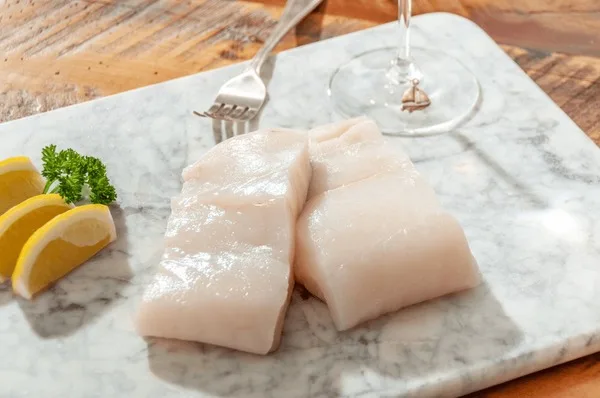
Not all Chilean sea bass is created equal, and since you're paying anywhere from $20 to $40 per pound, you want to get this right. The flesh should be bright white to slightly off-white with a clean, ocean-like smell. Avoid any fillets with a yellowish tint, brown edges, or a strong fishy odor, which signal age or improper storage.
Look for skin-on fillets when possible. The skin acts as a protective layer during air frying, helping the flesh stay moist and giving you the option of crispy skin on top. If you can only find skinless, that still works, but you'll want to be more careful with oiling the basket to prevent sticking.
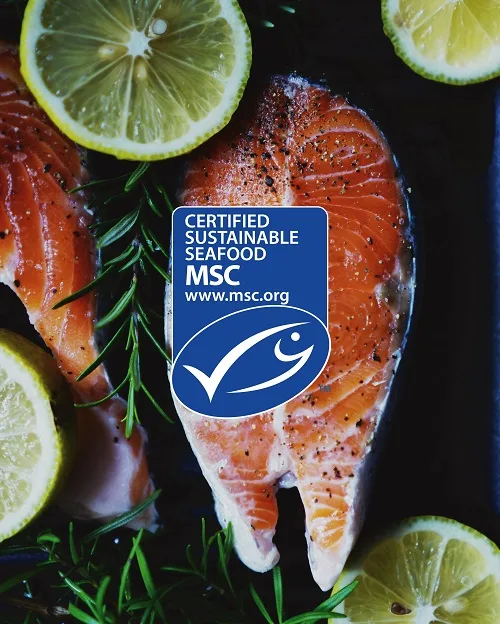
The single most important thing to check for is the Marine Stewardship Council (MSC) certification label. Chilean sea bass has a complicated history with illegal, unreported, and unregulated (IUU) fishing. The MSC blue label means the fish was sourced from a fishery that meets strict sustainability standards. NOAA Fisheries maintains stock assessments for Patagonian toothfish, and MSC-certified fisheries are the ones with verified legal catch documentation.
What to look for at purchase:
- MSC blue certification label on the packaging, confirming sustainable sourcing
- Flesh color that is bright white, uniform, and free of browning or yellowing
- Skin-on preferred for air frying, though skinless works with extra care
- Fresh smell, mild and briny, never sour or ammonia-like
- Frozen vs. fresh: frozen fillets are perfectly fine and often more affordable, but thaw them overnight in the refrigerator, never at room temperature
One more thing worth noting. You may see black cod or sablefish (Anoplopoma fimbria) sold alongside or even mislabeled as Chilean sea bass. They're different species, though both are rich and buttery. Sablefish is often cheaper and works beautifully in the air fryer too, but if the recipe calls for Chilean sea bass specifically, check the scientific name on the label. Dissostichus eleginoides is what you want.
What You Need Before You Start — Tools, Prep, and Setup
Having everything ready before you season the fish makes the whole process smoother. Air fryer cook times are short, so you won't have time to rummage through drawers once things get going.
Essential tools:
- Air fryer: any standard countertop model works; Ninja, Cosori, Philips, and Instant Vortex are the most commonly reviewed brands for fish
- Instant-read thermometer: the single most important tool for getting this right; you're targeting 145°F internal temperature per FDA guidelines
- Cooking spray or oil mister: a light coat of avocado oil or olive oil spray prevents sticking
- Parchment liners or perforated parchment: optional but helpful for delicate, skinless fillets
- Paper towels: for patting the fish dry before seasoning
- Tongs or fish spatula: for transferring fillets without breaking them
Prep steps before cooking:
- If frozen, thaw fillets overnight in the refrigerator. For a quicker thaw, seal in a submerge in cold water for 30 to 45 minutes.
- Remove fillets from packaging and pat thoroughly dry with paper towels. Excess surface moisture is the enemy of browning.
- Let the fish sit at room temperature for about 10 minutes. Going from fridge-cold to air fryer creates uneven cooking.
- Preheat your air fryer for 2 to 3 minutes at your target temperature. Not all models require this, but it helps with consistency.
If you're cooking for a family, you might want to check out our guide on the best 6 quart air fryer for family of 4 to make sure your appliance can handle multiple fillets without overcrowding. Overcrowding is one of the most common mistakes, and it leads to steaming instead of browning.
Step-by-Step: Air Fryer Chilean Sea Bass From Start to Finish
This process works for fillets between 1 and 2 inches thick. Adjust timing for anything outside that range.
Step 1: Season the fish. Brush or mist the fillet lightly with oil on both sides. Season with kosher salt, freshly ground black pepper, and whatever flavor profile you prefer. A simple combination of minced garlic, lemon zest, and fresh dill is hard to beat. If you're marinating, keep it under 30 minutes and avoid highly acidic mixtures, which can start to break down the flesh.
Step 2: Prepare the basket. Lightly spray the air fryer basket with cooking spray or brush with oil. If using parchment liner, place it in the basket first, then add another light coat of oil on top.
Step 3: Place the fish. Set the fillet in the basket in a single layer with no overlapping. If cooking multiple fillets, leave at least an inch of space between them for airflow. Skin-side down if the skin is on.
Step 4: Set temperature and time. Start at 385°F for 10 minutes as a baseline. For fillets under 1 inch thick, try 375°F for 8 minutes. For fillets over 1.5 inches, go to 400°F for 12 to 14 minutes.
Step 5: Check for doneness. At the 8-minute mark, check thinner fillets. At 10 minutes, check standard fillets. The fish is done when the internal temperature reaches 145°F and the flesh is opaque throughout, flaking easily with a fork. If it needs more time, add 1 to 2 minute increments.
Step 6: Rest briefly. Let the fish sit for 2 to 3 minutes after cooking. The residual heat will carry over slightly, and the juices will redistribute.
Step 7 and serve. Plate with lemon wedges, fresh herbs, and your side of choice. Rice, roasted vegetables, or a simple salad all pair well.
Quick reference for common thicknesses:
| Fillet Thickness | Temperature | Time Range |
|---|---|---|
| Under 1 inch | 375°F | 7 to 9 minutes |
| 1 to 1.5 inches | 385°F | 10 to 12 minutes |
| Over 1.5 inches | 400°F | 12 to 15 minutes |
These are starting points. Every air fryer runs a little differently, so your first batch is your calibration run. Once you know how your specific model handles it, you'll nail the timing every time.
How to Tell When It's Done — Visual Cues and Temperature
This is where most people either nail it or ruin a $30 fillet. Chilean sea bass goes from perfect to overcooked in about 90 seconds, so you need to pay attention at the end.
The thermometer test is non-negotiable. Insert an instant-read thermometer into the thickest part of the fillet. The FDA recommends cooking fish to an internal temperature of 145°F (63°C). At that point, the flesh is safe to eat and should still be moist. If you prefer a slightly more tender, just-barely-set center, pull it at 140°F and let carryover heat finish the job during the rest period.
Visual cues to watch for:
- Color change: raw flesh is translucent and slightly glossy; cooked flesh is uniformly opaque white
- Flake test: press gently with a fork at the thickest point; the flesh should separate into large, clean flakes without resistance
- Surface appearance: the exterior should have light golden browning, not dark charring
- Juices: when you press the surface, clear or slightly white liquid should appear, not watery or pink-tinged
If the center still looks glassy or translucent, it needs more time. If the edges are pulling away and the flesh feels firm rather than tender, you've gone too far. Overcooked Chilean sea bass becomes dry and loses that buttery quality that makes it worth the price.
One practical tip: if your fillet is significantly thicker on one end than the other, tuck the thin end under slightly or position it toward the back of the basket where heat is often less intense. This helps everything finish at the same time.
Seasoning and Flavor Ideas That Actually Complement This Fish
Chilean sea bass has a clean, buttery flavor that doesn't need much to shine. The mistake most people make is piling on heavy spices or sweet glazes that mask what makes this fish special. You want seasonings that enhance, not compete.
Simple and classic combinations:
- Lemon, garlic, and olive oil: the go-to for a reason; bright acidity cuts through the richness
- Fresh dill and sea salt: Scandinavian-style, light and clean
- Miso glaze: white miso paste thinned with a little rice vinegar and mirin; adds umami without overpowering
- Cajun seasoning: if you want heat and smokiness, a light dusting works well with the air fryer's browning capability
- Herb butter finish: a small pat of compound butter (parsley, chives, lemon zest) melted on top right after cooking
What to avoid:
- Heavy tomato-based sauces that overwhelm the delicate flavor
- Overly sweet teriyaki or barbecue glazes that make the fish taste candy-like
- Too much salt before cooking, which can draw out moisture and make the surface steam instead of crisp
If you're doing a marinade, keep it to 15 to 30 minutes maximum. Anything longer, especially with citrus or vinegar, starts to denature the surface proteins. That changes the texture in a way you don't want. A light brush of seasoned oil right before the fish hits the basket is often all you need.
For a quick flavor boost, squeeze fresh lemon over the fish right after it comes out of the air fryer. The heat releases the citrus oils and the flavor hits differently than if you add it before cooking.
Mistakes That Ruin Chilean Sea Bass in the Air Fryer
This fish is expensive, so the cost of getting it wrong is real. In our research, aggregate user reviews point to the same handful of mistakes over and over.
Overcrowding the basket. This is the number one problem. When fillets overlap or touch, airflow gets blocked and the fish steams instead of crisping. You'll end up with pale, soggy flesh and no browning. Cook in batches if you have to.
It's worth the extra few minutes.
Skipping the pat-dry step. Moisture on the surface creates steam, which prevents the Maillard reaction. That means no golden crust and a longer cook time that dries out the interior. Always pat fillets thoroughly with paper towels before seasoning.
Cooking straight from the fridge. Cold fish hits the hot basket and the exterior overcooks before the center catches up. Let fillets sit at room temperature for about 10 minutes before cooking. This alone can shave a minute or two off your cook time and give you more even results.
Setting the temperature too high. Cranking it to 400°F+ seems like a shortcut, but the exterior will char before the center reaches 145°F. Stick to the 375°F to 400°F range and adjust time instead.
Not using a thermometer. Guessing is how you ruin a $35 fillet. An instant-read thermometer takes two seconds and removes all doubt. Pull the fish at 140°F to 145°F and let carryover heat do the rest.
Overcooking by even a minute or two. Chilean sea bass has a narrow window between perfect and dry. Set a timer, check early, and remember that the fish continues cooking after you pull it out.
How Air Fryer Results Compare to Pan-Searing, Baking, and Grilling
Each method has its strengths, but the air fryer hits a specific sweet spot for Chilean sea bass that's hard to replicate elsewhere.
Air fryer vs. pan-searing. Pan-searing in a cast iron or stainless steel skillet gives you the most control over browning and crust development. You can baste with butter and aromatics in real time. But it requires attention, creates splatter, and the cook time is less forgiving. The air fryer gives you comparable browning with a hands-off approach and significantly less oil.
Aggregate user reviews suggest the texture difference is minimal for most home cooks.
Air fryer vs. oven baking. A conventional oven set to 400°F takes 15 to 20 minutes for the same fillet, and the exterior rarely gets as crisp because the air is still, not circulating. The air fryer cuts cook time by roughly a third and produces better surface texture. The downside is capacity. An oven handles four or six fillets at once without issue, while most air fryer baskets max out at two.
Air fryer vs. grilling. Grilling adds smokiness that you simply cannot get from an air fryer. If that charred, flame-kissed flavor is what you're after, the grill wins. But grilling delicate fish requires a grill basket or planks, and flare-ups can ruin a fillet fast. The air fryer is more consistent and works year-round, regardless of weather.
Quick comparison:
| Method | Cook Time | Oil Needed | Crispiness | Hands-Off |
|---|---|---|---|---|
| Air fryer | 8 to 15 min | Very light | High | Yes |
| Pan-sear | 6 to 10 min | Moderate | Very high | No |
| Oven bake | 15 to 20 min | Light | Low to moderate | Yes |
| Grill | 8 to 12 min | Light | High | No |
If you're cooking for one or two people and want a crisp result without standing over the stove, the air fryer is the most practical choice. For a dinner party where you want theater and smokiness, the grill or pan-sear might be worth the extra effort.
Other Fish You Can Cook the Same Way
The air fryer method we've outlined works for several other fish with similar fat content and fillet structure. If Chilean sea bass is unavailable or you want to try something different, these are solid alternatives.
Sablefish (black cod) is the closest substitute. It has an equally high fat content and buttery texture. Cook it at the same temperature and time as Chilean sea bass. It's often cheaper and more readily available, though it has a slightly more delicate flake.
Salmon is the most popular air fryer fish for good reason. It's forgiving, widely available, and the fat content handles high heat well. Skin-on fillets crisp up beautifully at 400°F for 8 to 10 minutes. The flavor is stronger than Chilean sea bass, so it pairs well with bolder seasonings.
Halibut is leaner, so it needs more care. Drop the temperature to 375°F and brush generously with oil to prevent drying. Cook for 10 to 12 minutes depending on thickness. It won't have the same richness, but the mild flavor takes well to herb and citrus seasonings.
Cod and sea bass (European) are lean and flaky. These work in the air fryer but require a shorter cook time, around 7 to 9 minutes at 375°F, and a good coating of oil. They're less forgiving than Chilean sea bass, so keep the thermometer handy.
Arctic char sits between salmon and trout in flavor and fat content. It's an underrated option that air fries beautifully at 385°F for 9 to 11 minutes.
The general rule: the fattier the fish, the more forgiving it is in the air fryer. Lean fish need lower heat, more oil, and closer attention.
Is Chilean Sea Bass Sustainable and Safe to Eat?
This is a question worth taking seriously, because the history of Chilean sea bass is complicated. Patagonian toothfish was heavily overfished in the 1990s and early 2000s, with illegal catches far outpacing regulated quotas. The species is slow-growing and long-lived, reaching maturity at around 10 to 12 years, which makes it vulnerable to overexploitation.
The situation has improved significantly. The Commission for the Conservation of Antarctic Marine Living Resources (CCAMLR) manages toothfish fisheries in Antarctic waters, and several fisheries now hold Marine Stewardship Council (MSC) certification. That certification means the fishery meets standards for sustainable stock levels, minimal environmental impact, and effective management. As of 2026, the majority of Chilean sea bass sold in U.S. retail comes from MSC-certified sources.
On the safety side, the FDA lists Chilean sea bass as a fish with moderate mercury levels. Their guidelines recommend that pregnant women, nursing mothers, and young children limit consumption to one serving per week. For the general population, moderate consumption, meaning one to two servings per week, is considered safe.
The FDA also enforces Country of Origin Labeling (COOL) for fish sold in the U.S., so you should be able to see where your fish was sourced. Look for the MSC label and a clear country of origin. If either is missing, ask the fish counter or choose a different product.
Bottom line: Chilean sea bass can be a responsible choice when you buy MSC-certified, legally sourced fish and keep your consumption moderate. It's not an everyday fish for most budgets anyway, so the weekly limit is rarely an issue in practice.
Expert Tips for Restaurant-Quality Results at Home
Once you've got the basics down, a few pro-level moves will take your air fryer Chilean sea bass from good to genuinely impressive.
Score the skin. If you're cooking skin-on fillets, make three or four shallow cuts through the skin, not into the flesh. This prevents curling as the skin contracts under heat and helps the fat render evenly. It also gives you a more uniform crisp across the whole surface.
Use a light oil with a high smoke point. Avocado oil or refined olive oil handles the air fryer's high heat without burning or creating off flavors. Extra virgin olive oil works too, but it has a lower smoke point, so keep the temperature at or below 385°F.
Season after cooking as well as before. A finishing flake of Maldon sea salt or a drizzle of good olive oil right when the fish comes out adds a layer of texture and flavor that pre-seasoning alone can't achieve. Think of it as the restaurant finish.
Don't skip the rest. Letting the fish sit for 2 to 3 minutes after cooking isn't optional. The internal temperature will rise another 3 to 5°F from carryover heat, and the proteins will relax, giving you a more tender bite.
Pair with the right sides. Chilean sea bass is rich, so it benefits from something acidic or light. A simple arugula salad with lemon vinaigrette, steamed asparagus, or even a quick cucumber-dill yogurt sauce on the side balances the plate without competing for attention.
If you're using a smaller air fryer, like a 5 quart model, you'll want to make sure you're not cramming the basket. Our roundup of the best 5 qt air fryer for apartment living covers models that handle single fillets well without sacrificing airflow.
How to Clean Your Air Fryer After Cooking Fish
Fish odor lingers in an air fryer more than almost anything else. If you don't clean it promptly, your next batch of fries or chicken wings will taste like the sea. Here's how to handle it properly.
Immediate steps after cooking:
- Remove the basket and tray while still warm, not hot enough to burn you but warm enough that residue hasn't fully set.
- Discard any parchment liner or aluminum foil.
- Wash the basket and tray with hot, soapy water and a non-abrasive sponge. Most air fryer baskets have a non-stick coating that scratches easily, so skip steel wool or harsh scrubbers.
- Wipe down the interior of the air fryer with a damp cloth or paper towel to remove any oil splatter.
For stubborn odor:
- Fill the basket with hot water and a tablespoon of baking soda, let it soak for 15 to 20 minutes, then scrub and rinse.
- Run the air fryer empty at 400°F for 3 to 5 minutes with a halved lemon inside the basket. The steam and citric acid help neutralize odor molecules.
- For persistent smells, wipe the heating element area carefully with a cloth dampened with white vinegar. Make sure the unit is completely cool and unplugged first.
Maintenance tips:
- Clean the basket after every fish cook, even if you plan to use the air fryer again soon
- Check the heating element monthly for grease buildup
- If your basket is dishwasher safe, use the top rack and avoid heated dry cycles, which can degrade the non-stick coating over time
A clean air fryer not only prevents flavor transfer, it also runs more efficiently. Grease buildup on the heating element can cause smoking and uneven heating, which affects everything you cook in it.
Frequently Asked Questions
Can I cook Chilean sea bass from frozen in the air fryer?
You can, but it's not ideal. Frozen fillets release a lot of moisture as they thaw during cooking, which creates steam and prevents browning. The exterior often ends up pale and soft while the interior takes longer to reach 145°F. If you must cook from frozen, add 3 to 5 minutes to the cook time and expect less crispiness.
For the best texture, thaw overnight in the refrigerator.
Do I need to flip the fish halfway through?
It depends on your air fryer model. Models with a top heating element and strong convection, like the Ninja Foodi or Instant Vortex, circulate heat evenly enough that flipping isn't necessary. If your model has weaker airflow or you notice the bottom browning faster than the top, flip at the halfway point using a fish spatula to avoid tearing the flesh.
What air fryer temperature is best for Chilean sea bass?
385°F is the sweet spot for most fillets between 1 and 1.5 inches thick. Go down to 375°F for thinner fillets and up to 400°F for anything over 1.5 inches. The goal is to get the center to 145°F without charring the exterior.
How many fillets can I cook at once?
Most standard air fryer baskets, typically 5 to 6 quarts, can handle two fillets without overcrowding. Larger models, like the 6 quart units we cover in our best 6 qt air fryer for frozen snacks guide, can sometimes fit three if they're on the smaller side. The key is leaving space between fillets for air to circulate.
Is air fried Chilean sea bass healthier than pan-seared?
Yes, in terms of added fat. Air frying requires only a light mist of oil compared to the butter or oil needed for pan-searing. The fish's natural fat content stays the same regardless of cooking method, but the overall calorie count drops when you're not cooking in added fat. A 6 oz air fried fillet with minimal oil comes in around 220 to 260 calories, while the same fillet pan-seared in butter can easily hit 300 plus.
What's the difference between Chilean sea bass and sablefish?
They're different species. Chilean sea bass (Dissostichus eleginoides) is Patagonian toothfish, found in sub-Antarctic waters. Sablefish (Anoplopoma fimbria), also called black cod, is found in the North Pacific. Both are rich and high in omega-3 fatty acids, but sablefish has a slightly softer texture and milder flavor.
They can be used interchangeably in air fryer recipes with the same cook times.
Final Thoughts — Is It Worth It?
Air fryer Chilean sea bass recipes deliver on the promise of a fast, high-quality seafood dinner without the fuss of traditional cooking methods. The air fryer's circulating heat gives you a crisp exterior and moist interior in under 15 minutes, with minimal oil and easy cleanup. For a fish that typically costs $20 to $40 per pound, the margin for error is small, but the method is forgiving enough that even a first-time cook can get great results.
The keys are simple: buy MSC-certified fish, pat it dry, don't overcrowd the basket, and use a thermometer. Everything else is refinement. If you've been hesitant to cook Chilean sea bass at home because it feels too expensive to risk, the air fryer is the lowest-stakes way to do it. Start with a basic lemon and garlic seasoning, nail the timing for your specific model, and go from there.
You'll wonder why you ever reserved this fish for restaurant visits.