
Unlock crispy, healthier meals with your air fryer! This comprehensive guide will teach you how to work your air fryer, from understanding its basic functions to achieving perfect cooking results. We’ll cover preparation, cooking techniques, and essential cleaning tips. Get ready to transform your cooking and enjoy delicious, guilt-free meals with ease!
Welcome to the wonderful world of air frying! If you’ve recently gotten your hands on an air fryer, you might be wondering how to get the most out of this versatile kitchen gadget. Don’t worry, you’re in the right place! This guide will walk you through everything you need to know about **how to work your air fryer**, turning you into an air frying pro in no time.
Air fryers are revolutionary for a reason. They use hot air circulation to cook food, giving it that delicious crispy exterior we all love, but with significantly less oil than traditional frying. This means healthier meals without sacrificing flavor or texture. Whether you’re looking to crisp up some fries, cook a juicy steak, or even bake a cake, your air fryer can do it. Let’s dive in!
Key Takeaways
- Understand Your Air Fryer’s Parts: Familiarize yourself with the basket, drawer, controls (digital or manual), and any accessories to ensure proper use.
- Preheat for Best Results: Just like a conventional oven, preheating your air fryer ensures even cooking and crisper food.
- Don’t Overcrowd the Basket: Allow air to circulate freely around your food for maximum crispiness. Cook in batches if necessary.
- Use a Little Oil (Optional but Recommended): A light spray or toss with oil helps achieve that signature crispy texture and prevents sticking.
- Shake or Flip Food Midway: Ensure all sides of your food are exposed to the hot air for uniform browning and crisping.
- Clean After Every Use: Regular cleaning prevents food buildup and ensures your air fryer operates efficiently for future meals.
Understanding Your Air Fryer
Before you start cooking, take a moment to get acquainted with your specific air fryer model. While they all operate on the same principle, there might be slight variations in design and controls.
The Main Components
Most air fryers consist of a few key parts:
- The Basket/Drawer: This is where you place your food. It’s usually removable for easy access and cleaning. Some baskets have a perforated bottom or a mesh insert to allow air to circulate and excess grease to drain.
- The Heating Element: Located at the top of the unit, this is what generates the hot air.
- The Fan: Also at the top, the fan circulates the hot air rapidly around the food.
- The Controls: These can be digital (with touchscreens and presets) or manual (with knobs for temperature and time).
- Accessories: Some air fryers come with additional racks, skewers, or baking pans, which expand their cooking capabilities.
Reading Your Manual
Your air fryer’s instruction manual is your best friend. It will have specific details about your model, including recommended temperatures and cooking times for various foods, safety instructions, and cleaning recommendations. It’s always a good idea to give it a quick read.
Preparing Your Food for the Air Fryer
Proper preparation is key to achieving delicious results.
Washing and Drying
For fresh ingredients like vegetables or proteins, always wash them thoroughly and then pat them completely dry with paper towels. Excess moisture can prevent food from getting crispy and can lead to steaming rather than frying.
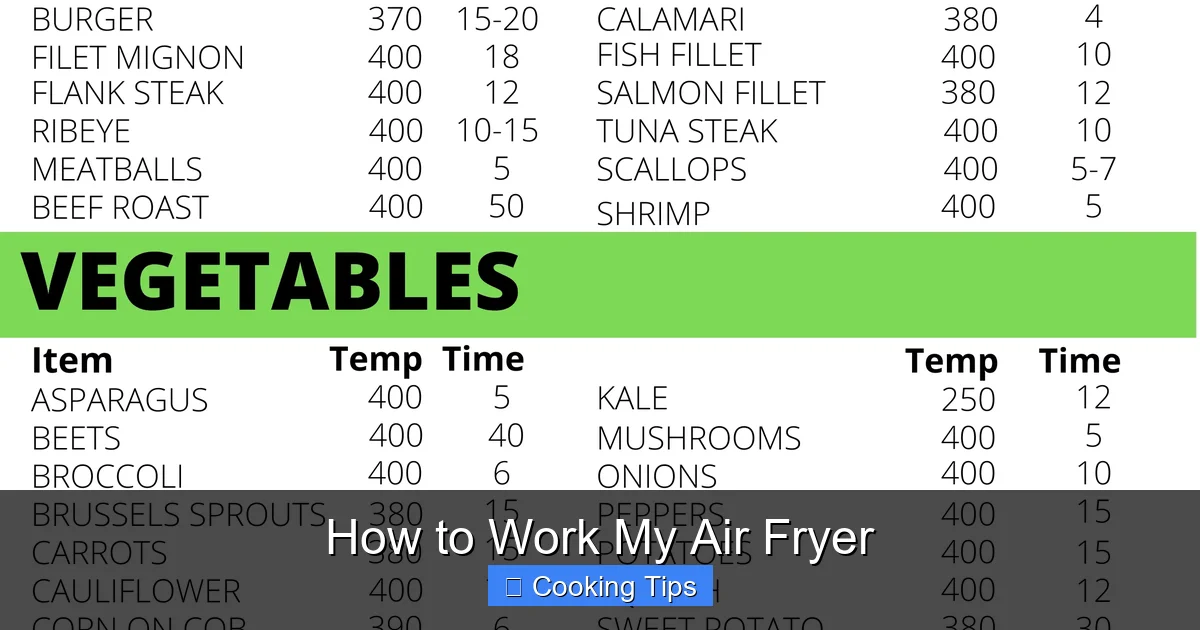
Visual guide about How to Work My Air Fryer
Image source: foodlovinfamily.com
Seasoning
Season your food generously! Salt, pepper, herbs, and spices all work wonderfully. Don’t be afraid to experiment with different flavor combinations.
The Role of Oil
While air fryers use less oil, a little can go a long way in achieving that signature crispy texture. You can:
- Toss food with oil: Place your food in a bowl, drizzle with a tablespoon or two of your favorite cooking oil (like olive oil, avocado oil, or canola oil), and toss until evenly coated.
- Use an oil sprayer: This is a popular method for getting a light, even coating of oil without using too much.
- Use cooking spray: A quick spray can also do the trick.
Important Note: Avoid using aerosol cooking sprays (like Pam) directly in the basket. The propellants can damage the non-stick coating over time. Stick to pump sprayers or pourable oils.
Getting Started: Step-by-Step Air Frying
Now that your food is prepped, let’s get cooking!
Step 1: Preheat Your Air Fryer
This is a crucial step that many people skip, but it makes a big difference. Preheating allows the air fryer to reach the desired temperature, ensuring your food cooks evenly and gets crispy right from the start. Most recipes will specify a preheating time, typically around 3-5 minutes.
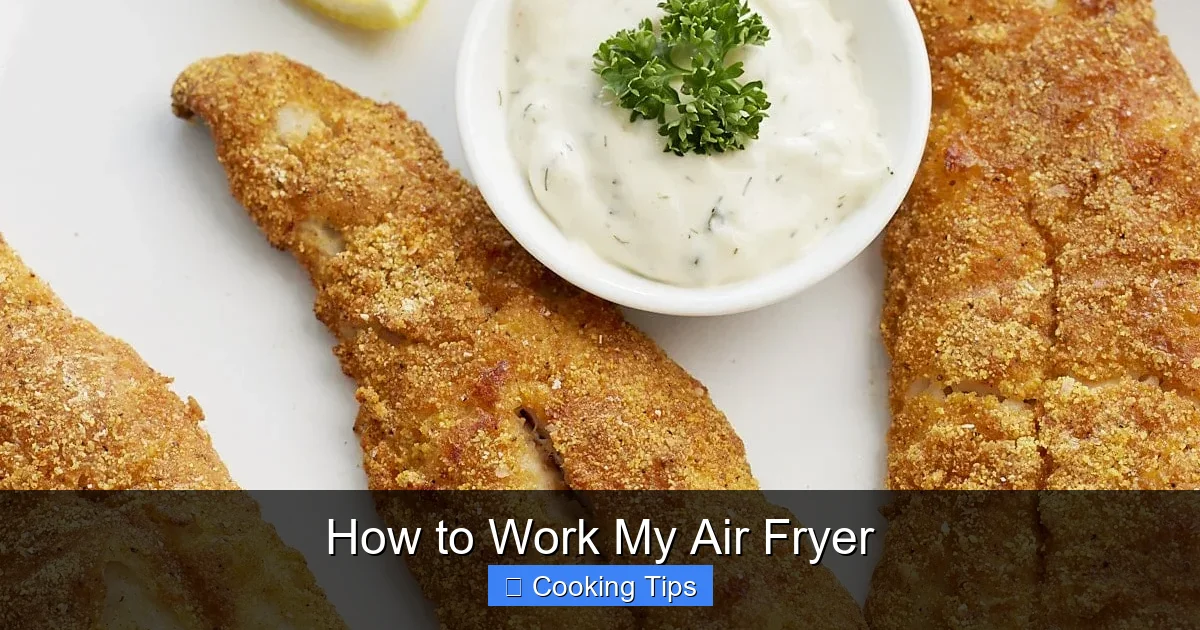
Visual guide about How to Work My Air Fryer
Image source: myforkinglife.com
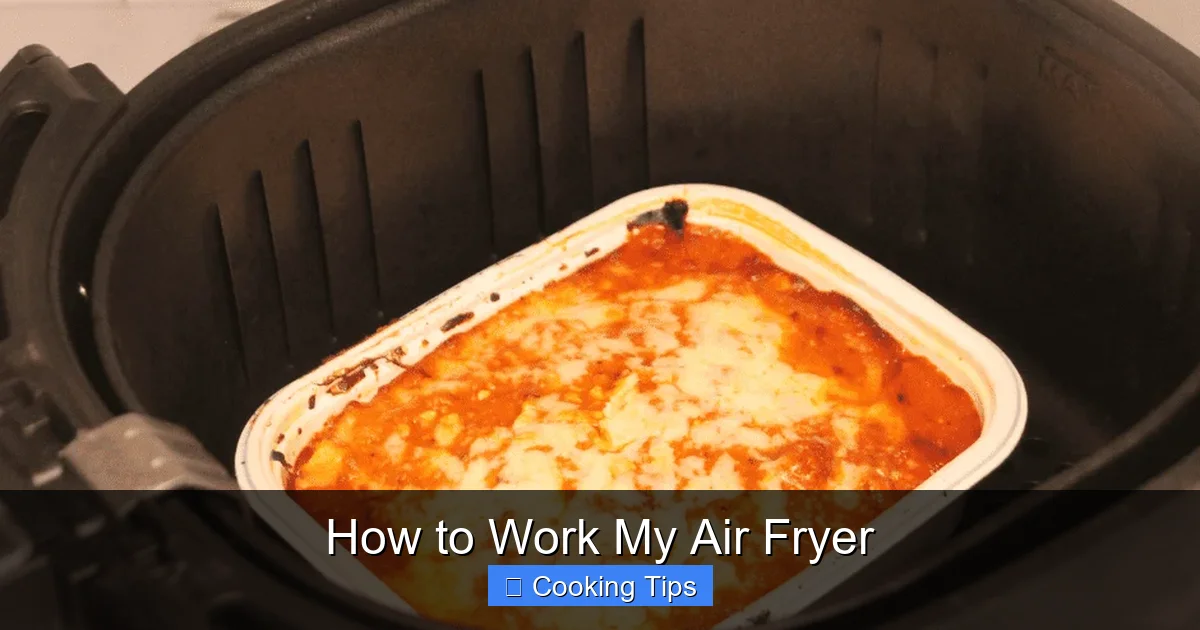
Visual guide about How to Work My Air Fryer
Image source: forktospoon.com
How to Preheat
- Set your air fryer to the desired temperature.
- Let it run for 3-5 minutes before adding your food.
- You don’t need to add any food or oil during the preheating phase.
Step 2: Prepare the Basket
Once preheated, carefully pull out the air fryer basket.
Adding Food
Place your seasoned and lightly oiled food into the basket. Here’s how to do it right:
- Don’t Overcrowd: This is perhaps the most important rule for crispy results. Air needs to circulate around each piece of food. If the basket is too full, your food will steam instead of crisping up, and you’ll get uneven cooking. If you’re cooking a large batch, it’s better to cook in two batches. Think of it like making french fries; you don’t want them piled on top of each other. For larger items like a whole chicken or ribs, ensure they have enough space. If you’re curious about cooking ribs, check out this guide on how to cook BBQ ribs in air fryer.
- Arrange in a Single Layer: For best results, arrange your food in a single layer at the bottom of the basket.
Step 3: Set the Temperature and Time
Now it’s time to tell your air fryer what to do. Refer to your recipe or the air fryer’s manual for recommended settings.
Temperature Settings
Most air fryers cook in a range of 150°F to 400°F (65°C to 200°C). Common temperatures for air frying are between 350°F and 400°F.
Time Settings
Cooking times vary greatly depending on the type of food, its thickness, and the quantity. Always start with the lower end of the recommended cooking time and check for doneness. You can always add more time if needed.
Step 4: Cook and Agitate
Slide the basket back into the air fryer and start the cooking process.
Shake or Flip Midway
For most foods, it’s essential to shake the basket or flip the food halfway through the cooking time. This ensures that all sides are exposed to the hot air for even browning and crisping. For example, if you’re cooking hot dogs in the air fryer, you’ll want to flip them so they cook evenly on all sides. Simply pull out the basket, give it a good shake, or use tongs to flip your food, then slide the basket back in. The air fryer will continue cooking from where it left off.
Step 5: Check for Doneness
As the cooking time nears its end, start checking your food. You can pull out the basket to peek. For proteins, use a food thermometer to ensure they’ve reached a safe internal temperature. For vegetables and other items, look for the desired level of crispness and browning.
Step 6: Serve and Enjoy
Once your food is cooked to perfection, carefully remove the basket (it will be hot!), transfer your delicious creations to a plate, and enjoy!
Tips for Different Types of Food
While the basic steps remain the same, here are some tips for popular air fryer items:
Vegetables
Vegetables like broccoli, Brussels sprouts, bell peppers, and potatoes are fantastic in the air fryer. Toss them with a little oil, salt, pepper, and your favorite seasonings. For root vegetables like potatoes and carrots, cut them into uniform sizes for even cooking. You can find more tips for vegetables in our guide on how to make vegetables in an air fryer.
Proteins
- Chicken: Bone-in chicken breasts, thighs, or wings become incredibly crispy. For boneless chicken, keep an eye on cooking times as they are much shorter. For instance, bone-in chicken breast benefits from the circulating air for that perfect crisp.
- Steak: Yes, you can air fry steak! For a juicy, restaurant-quality steak, aim for high heat for a shorter duration. Our guide on how to cook a steak in my air fryer provides excellent guidance.
- Pork: Pork tenderloin, pork chops, and even pork roasts can be cooked in an air fryer.
- Fish: Delicate fish like salmon cooks quickly and stays moist.
- Burgers: Air fryers are great for cooking burgers, both fresh and frozen.
Snacks and Appetizers
Frozen snacks like french fries, chicken nuggets, onion rings, and mozzarella sticks come out wonderfully crispy. Follow the package directions for your specific frozen foods, but generally, you’ll use a temperature around 375-400°F (190-200°C).
Baked Goods
Believe it or not, you can bake small cakes, muffins, or even biscuits in an air fryer! You’ll typically need to use oven-safe molds or ramekins that fit inside the basket and may need to adjust baking times and temperatures. Check out how to cook a biscuit in an air fryer for a sweet treat idea.
Cleaning and Maintenance
Keeping your air fryer clean is essential for its longevity and performance.
After Every Use
It’s best to clean your air fryer soon after it has cooled down.
- Remove the Basket and Drawer: Most baskets and drawers are dishwasher safe. If not, wash them by hand with warm, soapy water and a non-abrasive sponge or cloth.
- Wipe Down the Interior and Exterior: Use a damp cloth to wipe down the inside of the air fryer, paying attention to any stray food particles. Wipe the exterior to keep it looking its best.
- Clean the Heating Element (Occasionally): If you notice any debris on the heating element, carefully wipe it away with a damp cloth once the unit has cooled. Some air fryers have a removable grate over the heating element for easier cleaning.
Deep Cleaning (Monthly or As Needed)
Periodically, you might need to do a deeper clean:
- For Stubborn Residue: You can place a small amount of water and a drop of dish soap in the bottom of the air fryer basket. Place it back in the unit and run it at a low temperature (around 200°F / 95°C) for a few minutes. This can help loosen stuck-on food. Let it cool, then wash as usual.
- Check the Manual: Always refer to your manual for specific cleaning instructions for your model. Some manufacturers advise against submerging parts in water or using certain cleaning agents.
Troubleshooting Common Air Fryer Issues
Even with the best intentions, you might encounter a few hiccups. Here are some common problems and solutions:
Food is not crispy
Possible causes: Basket is overcrowded, food is too wet, not enough oil, air fryer wasn’t preheated.
Solutions: Cook in smaller batches, pat food very dry, use a bit more oil (but don’t drown it), always preheat.
Food is burning on one side
Possible causes: Food is too close to the heating element, not enough agitation (shaking/flipping).
Solutions: Ensure food is not piled too high, shake or flip the food halfway through cooking. If cooking smaller items, consider using a second rack accessory if your air fryer has one.
Smoke coming from the air fryer
Possible causes: Food is too fatty and dripping onto the heating element, food particles left from previous cooking, using too much oil.
Solutions: For very fatty foods, you might need to wipe away excess fat. Clean your air fryer thoroughly after each use. Use oil sparingly.
The non-stick coating is peeling
Possible causes: Using abrasive scrubbers, using metal utensils, using aerosol cooking sprays.
Solutions: Always use non-abrasive sponges and wooden or silicone utensils. Avoid aerosol cooking sprays.
Conclusion
Working an air fryer is surprisingly simple once you understand the basics. By following these steps – from preheating and proper food preparation to shaking your food midway and cleaning afterward – you’ll be well on your way to creating delicious, crispy, and healthier meals. Don’t be afraid to experiment with different recipes and ingredients. Your air fryer is a powerful tool that can elevate your everyday cooking. So, happy air frying!