
Transform your veggies with an air fryer! This guide shows you how to achieve perfectly crispy and tender vegetables with minimal effort. Learn essential steps for prepping, seasoning, and cooking, along with tips for various vegetables and common troubleshooting. Get ready for healthier, faster, and more delicious ways to enjoy your greens and roots.
How to Make Vegetables in an Air Fryer
Are you looking for a quick, healthy, and incredibly tasty way to prepare your vegetables? Look no further than your air fryer! This amazing appliance is a game-changer for cooking vegetables, transforming humble produce into crispy, golden delights with minimal oil and maximum flavor. Forget soggy, bland steamed veggies; air-fried vegetables are about to become your new favorite side dish.
In this comprehensive guide, we’ll walk you through everything you need to know to make perfect air fryer vegetables every single time. We’ll cover the best vegetables to air fry, essential preparation techniques, simple seasoning ideas, and detailed cooking instructions. You’ll also discover tips for achieving that coveted crispy texture and how to troubleshoot common issues. Get ready to impress yourself and your family with delicious, wholesome vegetables that are a joy to eat!
Key Takeaways
- Perfect Texture Every Time: Air frying creates a delightful crisp exterior while keeping vegetables tender and moist inside, a feat difficult to achieve with other cooking methods.
- Simplicity is Key: The process is straightforward – chop, season, and air fry. This guide breaks it down into easy-to-follow steps for anyone to master.
- Flavor Versatility: Learn how to season vegetables for any cuisine, from simple salt and pepper to bold herb and spice blends, enhancing their natural sweetness and depth.
- Speedy Cooking: Air fryers significantly reduce cooking times compared to ovens, making weeknight meals a breeze and getting delicious vegetables on your plate faster.
- Healthier Option: Enjoy your favorite vegetables with a fraction of the oil typically used in frying, making them a fantastic healthy addition to your diet.
- Customizable for Any Veggie: This guide provides general principles adaptable to a wide range of vegetables, from cruciferous to root vegetables, ensuring success across the board.
Why Air Fryer Vegetables?
Before we dive into the “how,” let’s talk about the “why.” Air frying vegetables offers several fantastic benefits:
- Crispiness Without Deep Frying: The magic of the air fryer lies in its ability to circulate hot air rapidly. This mimics the effect of deep frying, creating a wonderfully crisp exterior without submerging your vegetables in oil.
- Healthier Cooking: You’ll use significantly less oil compared to traditional frying methods, making your vegetables a healthier and lighter option.
- Speed and Convenience: Air fryers cook food much faster than conventional ovens. This means less time in the kitchen and more time enjoying your meal.
- Enhanced Flavor: The high heat and quick cooking time help to caramelize the natural sugars in vegetables, intensifying their flavor and sweetness.
- Minimal Mess: Cleanup is usually a breeze. Most air fryer baskets are non-stick and dishwasher safe.
Getting Started: What You’ll Need
Making air fryer vegetables is wonderfully simple. Here’s what you’ll need:
- Your Air Fryer: Any brand or model will work!
- Fresh Vegetables: Choose your favorites. See our list of recommended vegetables below.
- Oil: A little bit of oil is key for crispiness and flavor. Healthy options like olive oil, avocado oil, or even a light spray oil work great.
- Seasonings: Salt, pepper, herbs, spices – let your creativity flow!
- A Bowl: For tossing your vegetables with oil and seasonings.
- Cutting Board and Knife: For preparing your vegetables.
Choosing Your Vegetables
Almost any vegetable can be transformed in an air fryer! However, some vegetables truly shine. Here are some of our favorites:
Cruciferous Vegetables:
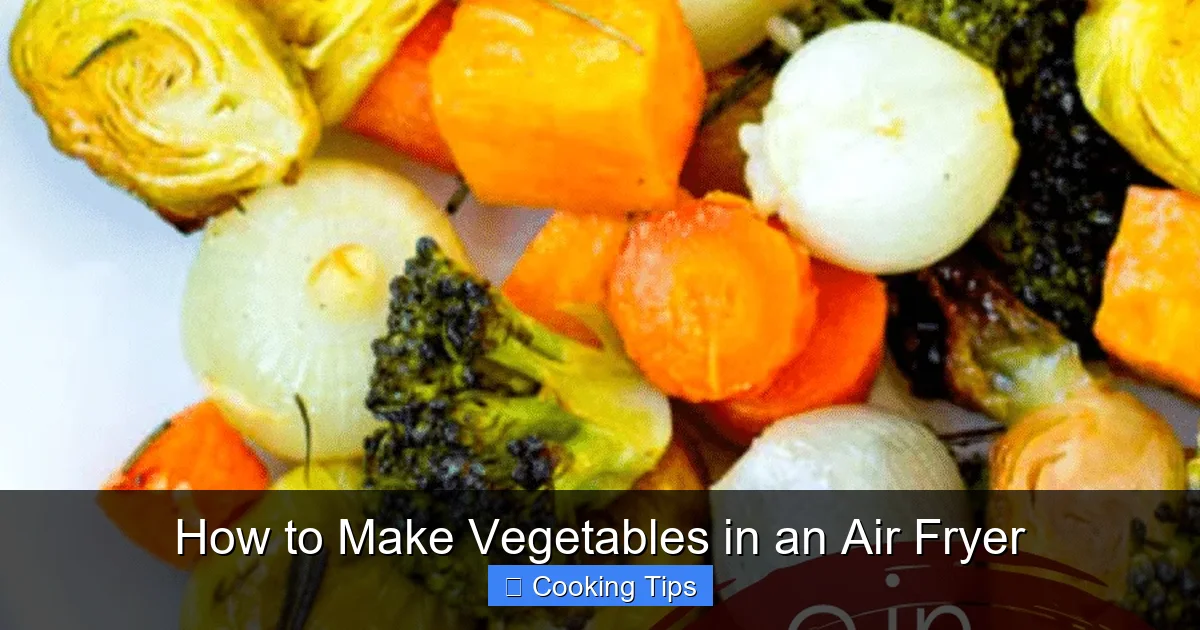
- Broccoli: Cut into florets. Air fries beautifully, becoming tender-crisp with slightly browned edges.
- Cauliflower: Also cut into florets. Similar to broccoli, it develops a lovely texture and flavor.
- Brussels Sprouts: Halved or quartered if large. These become incredibly delicious, with crispy outer leaves.
- Asparagus: Trimmed. Cook very quickly and retain a nice bite.
Root Vegetables:
- Potatoes: Cut into fries, wedges, or cubes. The quintessential air fryer vegetable!
- Sweet Potatoes: Similar to regular potatoes, they become sweet and tender-crisp.
- Carrots: Cut into sticks or coins. Their natural sweetness intensifies.
- Zucchini and Summer Squash: Sliced or cut into half-moons. They cook quickly and are great with a sprinkle of herbs.
- Bell Peppers: Cut into strips or chunks. They soften but retain a slight crunch.
- Onions: Cut into wedges or rings. They caramelize wonderfully.
- Mushrooms: Halved or quartered if large. They become meaty and savory.
- Green Beans: Trimmed. They get tender-crisp and are delicious with garlic.
Step-by-Step Guide to Air Frying Vegetables
Follow these simple steps to achieve perfect air fryer vegetables:
Step 1: Prepare Your Vegetables
This is the most crucial step for even cooking and optimal texture.
Wash and Dry Thoroughly
Always start by washing your vegetables under cold running water. After washing, it’s essential to dry them completely with a clean kitchen towel or paper towels. Excess moisture can lead to steaming rather than crisping in the air fryer.
Visual guide about How to Make Vegetables in an Air Fryer
Image source: theholymess.com
Visual guide about How to Make Vegetables in an Air Fryer
Image source: joyfilledeats.com
Visual guide about How to Make Vegetables in an Air Fryer
Image source: thebusybaker.ca
Cut into Uniform Pieces
This is key for even cooking. If you have large florets and small florets of broccoli, or thick carrot sticks and thin ones, they will cook at different rates. Aim for pieces that are roughly the same size and thickness. For example:
- Broccoli and Cauliflower: Cut into bite-sized florets.
- Root Vegetables (Potatoes, Carrots): Cut into fries, wedges, or 1/2-inch cubes.
- Brussels Sprouts: Halve or quarter them, especially larger ones. Trim the woody ends.
- Asparagus and Green Beans: Trim the woody ends.
- Bell Peppers and Onions: Cut into 1-inch chunks or strips.
- Zucchini and Squash: Slice into 1/2-inch thick rounds or half-moons.
Blanching (Optional for Harder Vegetables)
For harder vegetables like potatoes or large chunks of carrots that you want extra tender, you can give them a quick blanch. Boil them in water for 3-5 minutes, then drain and pat them completely dry. This par-cooks them, ensuring they are tender on the inside when air fried.
Step 2: Season Your Vegetables
This is where the flavor magic happens!
The Oil Coating
Place your prepared vegetables in a medium-sized bowl. Drizzle them with about 1-2 tablespoons of your chosen oil. The amount of oil will depend on the quantity of vegetables you’re cooking. You want just enough to lightly coat everything. Toss the vegetables thoroughly with your hands or a spatula until each piece has a thin, even layer of oil. This oil is essential for achieving that desirable crispiness and browning.
Tip: If you’re using spray oil, give the vegetables a good, even coating. Be mindful not to overspray, as too much oil can make them greasy.
Add Your Seasonings
Now it’s time for flavor! Sprinkle your salt, pepper, herbs, and spices over the oiled vegetables. Toss again to ensure the seasonings are distributed evenly.
Simple Seasoning Ideas:
- Classic: Salt, freshly ground black pepper, garlic powder.
- Herby: Salt, pepper, dried Italian herbs (oregano, basil, thyme), a pinch of garlic powder.
- Spicy: Salt, pepper, chili powder, cumin, a dash of cayenne pepper.
- Lemon-Garlic: Salt, pepper, garlic powder, dried parsley, and a squeeze of fresh lemon juice after cooking.
- Smoky: Salt, pepper, smoked paprika, garlic powder, onion powder.
Don’t be afraid to experiment! You can add fresh herbs like rosemary or thyme before cooking for a more intense aroma, or toss with Parmesan cheese towards the end of cooking for a cheesy finish.
Step 3: Preheat Your Air Fryer (Recommended)
While not strictly mandatory for all air fryers, preheating can lead to more consistent results.
Preheat for 3-5 Minutes
Most air fryers have a preheat function. Set your air fryer to the desired cooking temperature (usually between 375°F and 400°F or 190°C and 200°C) and let it run for about 3-5 minutes. This ensures the air fryer basket is hot when your vegetables go in, which helps them start crisping immediately.
Step 4: Air Fry Your Vegetables
This is the main event!
Arrange Vegetables in a Single Layer
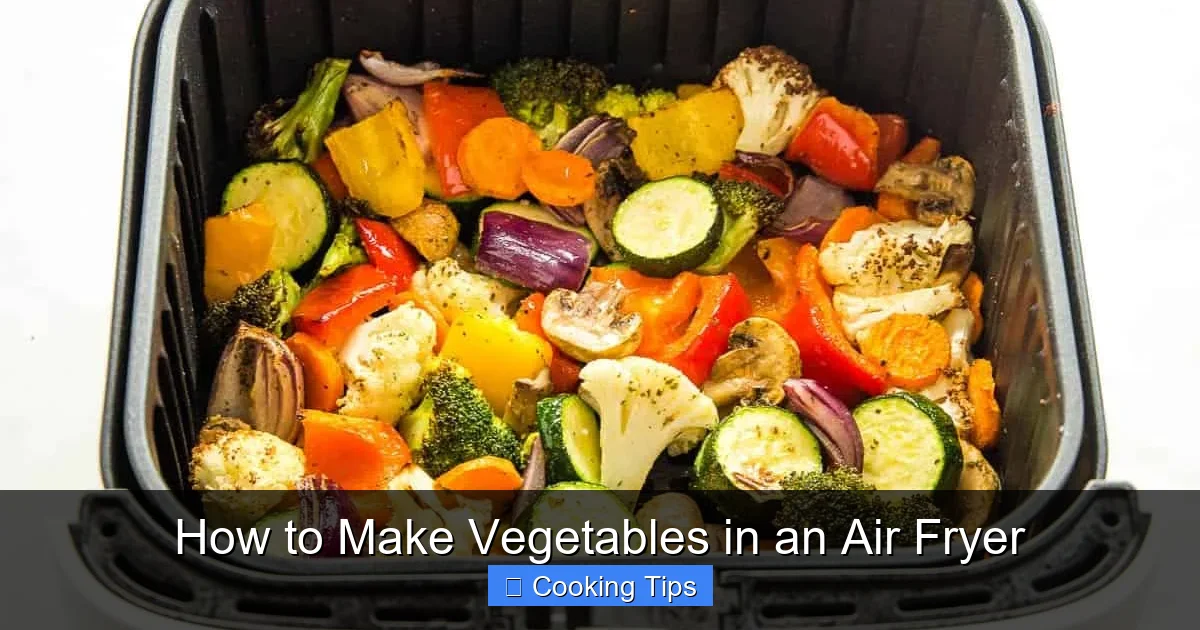
This is perhaps the most critical factor for achieving crispy vegetables. Remove your preheated air fryer basket. Add your seasoned vegetables to the basket, ensuring they are in a single layer. Do not overcrowd the basket. Overcrowding prevents hot air from circulating around each piece, leading to uneven cooking and steamed, rather than crispy, vegetables.
If you have a large batch, it’s better to cook them in two separate batches. You can always pop them all back in for a minute or two at the end to ensure they are all piping hot.
Set the Temperature and Time
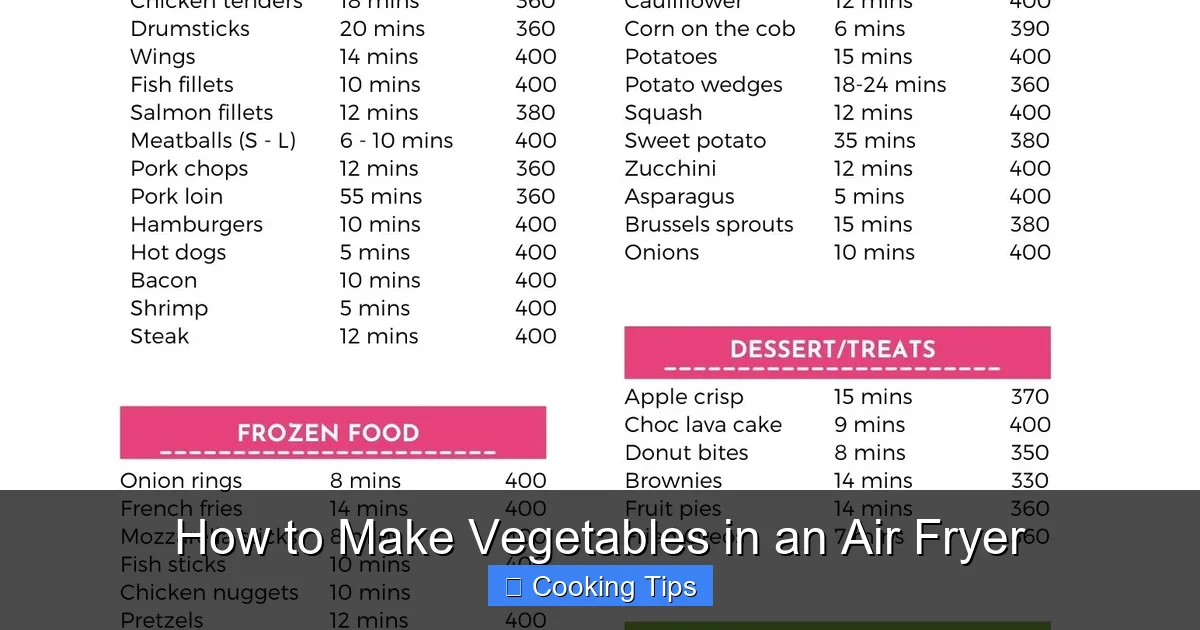
Refer to the specific cooking times and temperatures for your chosen vegetables (see chart below). A good starting point for most vegetables is 375°F (190°C) to 400°F (200°C).
General Cooking Times (approximate):
- Broccoli, Cauliflower, Brussels Sprouts: 8-12 minutes
- Asparagus, Green Beans: 6-10 minutes
- Bell Peppers, Zucchini, Squash: 7-12 minutes
- Potatoes, Sweet Potatoes (fries/wedges): 15-20 minutes
- Carrots: 10-15 minutes
- Onions: 10-15 minutes
- Mushrooms: 7-10 minutes
These are just guidelines. Cooking times can vary based on the size of your vegetable pieces, your specific air fryer model, and how crisp you like your vegetables.
Shake the Basket Midway
About halfway through the cooking time, pull out the air fryer basket and give it a good shake. This helps to move the vegetables around, ensuring they all get evenly browned and crispy. If you’re cooking delicate vegetables like asparagus, gently toss them with tongs instead of shaking vigorously.
Step 5: Check for Doneness and Serve
The final delicious step!
Check for Crispiness and Tenderness
Once the cooking time is nearly up, carefully remove the basket and check your vegetables. They should be tender when pierced with a fork and have golden-brown, slightly crispy edges. If they aren’t quite there yet, return them to the air fryer for a few more minutes, checking frequently to prevent burning.
Serve Immediately
Air fryer vegetables are best served hot and fresh! They make a fantastic side dish for almost any meal, from grilled chicken and fish to burgers and pasta. You can also add them to salads, bowls, or enjoy them as a healthy snack.
Troubleshooting Common Air Fryer Vegetable Issues
Even with the best instructions, you might encounter a few hiccups. Here’s how to fix them:
Problem: Vegetables are soggy, not crispy.
Cause: Overcrowded basket, not enough oil, vegetables were wet, air fryer not preheated.
Solution: Ensure vegetables are in a single layer. Use a bit more oil if needed. Dry vegetables thoroughly. Always preheat your air fryer.
Problem: Vegetables are burnt on the outside, raw on the inside.
Cause: Temperature too high, pieces are too small or too large for the cooking time.
Solution: Lower the air fryer temperature by 25°F (10°C). Ensure all pieces are cut to a similar size. For larger pieces, consider par-cooking (blanching) them first or extending the cooking time at a slightly lower temperature.
Problem: Vegetables are unevenly cooked.
Cause: Overcrowded basket, not shaking the basket enough.
Solution: Cook in batches to avoid overcrowding. Shake or toss the vegetables halfway through cooking.
Problem: Some vegetables are sticking to the basket.
Cause: Not enough oil, basket isn’t non-stick enough.
Solution: Ensure all vegetables are lightly coated in oil. If your basket isn’t very non-stick, you can lightly grease it with cooking spray or parchment paper liners designed for air fryers (ensure they are rated for the temperature you’re using and don’t block airflow).
Tips for Perfect Air Fryer Vegetables
* Don’t Overcrowd: We can’t stress this enough! It’s the most common mistake.
* Dry is Key: Moisture is the enemy of crispiness.
* Uniformity Matters: Cut pieces to the same size for even cooking.
* Shake it Up: Regular shaking or tossing ensures all sides get crispy.
* Know Your Air Fryer: Every air fryer is a little different. Pay attention to cooking times and adjust as needed.
* Taste and Adjust: Season generously, but remember you can always add more salt or pepper after cooking.
* Consider Cooking Times: If you’re air frying a mix of vegetables, add quicker-cooking items (like asparagus) later in the cooking process.
Conclusion
Mastering vegetables in the air fryer is a culinary superpower that will revolutionize your healthy eating habits. With this guide, you have all the tools you need to create delicious, crispy, and flavorful vegetable side dishes that are as easy to make as they are to enjoy. From crisp broccoli florets and tender-crisp green beans to perfectly browned Brussels sprouts and golden potato wedges, the possibilities are endless. So grab your air fryer, your favorite vegetables, and get ready to experience a whole new world of healthy and satisfying meals. Happy air frying!